
News
Indonesia Earthquake Death Toll Climbs as Aftershocks Continue

Faith Facts
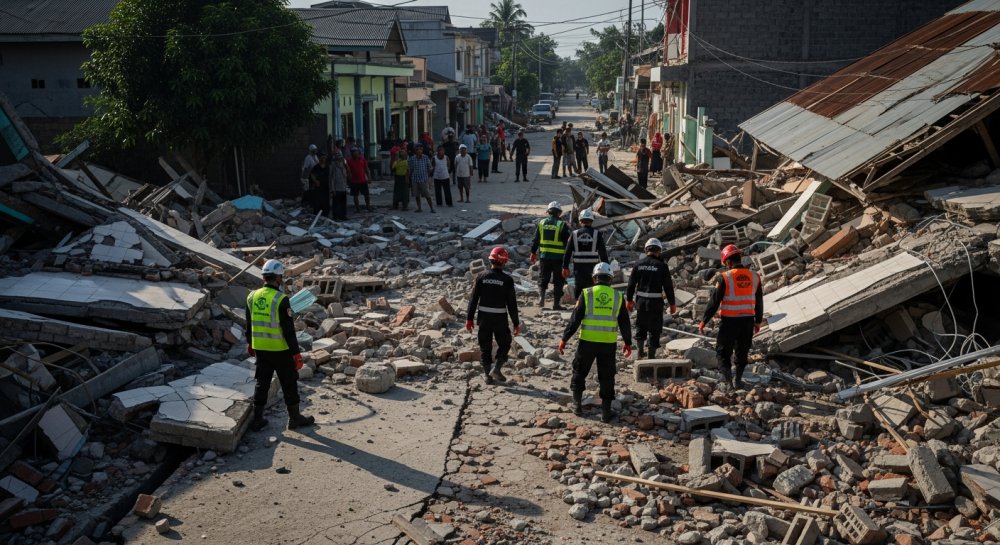
- A magnitude 7.7 earthquake struck eastern Indonesia early Saturday, killing at least five people
- The powerful quake triggered dozens of aftershocks, including one measuring magnitude 6.1
- Christian communities in the region are rallying together to provide aid and support to affected families
A devastating earthquake measuring 7.7 on the Richter scale struck eastern Indonesia in the early morning hours Saturday, claiming the lives of at least five people and sending tremors of fear through communities across the region. The powerful seismic event has left families grieving and communities searching for answers in the aftermath of this natural disaster.
Following the initial quake, the region experienced dozens of aftershocks that continued to rattle nerves and compound the danger for residents already traumatized by the initial impact. One particularly strong aftershock registered at magnitude 6.1, a significant seismic event in its own right that would pose serious risks under normal circumstances.
The earthquake serves as a sobering reminder of the fragility of life and our dependence on God’s protection in an unpredictable world. Indonesia sits along the Pacific “Ring of Fire,” a geologically active zone where tectonic plates meet, making the archipelago nation particularly vulnerable to earthquakes and volcanic activity.
As rescue and recovery efforts continue, the international community and faith-based organizations are mobilizing to provide assistance to those affected by this tragedy. Christian relief organizations have a long history of responding to natural disasters in Indonesia, providing not only material aid but also spiritual comfort to those who have lost loved ones and livelihoods.
The death toll of five, while tragic, could have been significantly higher given the magnitude of the earthquake. Local authorities continue to assess the full extent of the damage and search for any additional casualties as communication lines are restored to more remote areas affected by the quake.
This disaster calls us to remember our brothers and sisters in Indonesia in prayer, asking for God’s comfort for those who mourn and wisdom for rescue workers as they navigate the dangerous conditions created by the ongoing aftershocks. It also reminds us of our responsibility to support humanitarian efforts that bring hope and healing to disaster-stricken regions around the world.
Let us know what you think, please share your thoughts in the comments below.

Faith Facts
- Fulani herdsmen killed 31 Christians across three Nigerian states since early August
- Plateau state suffered 15 deaths, with attacks continuing in Kaduna and Benue states
- Violence against Christians in Nigeria’s Middle Belt region has intensified in recent months
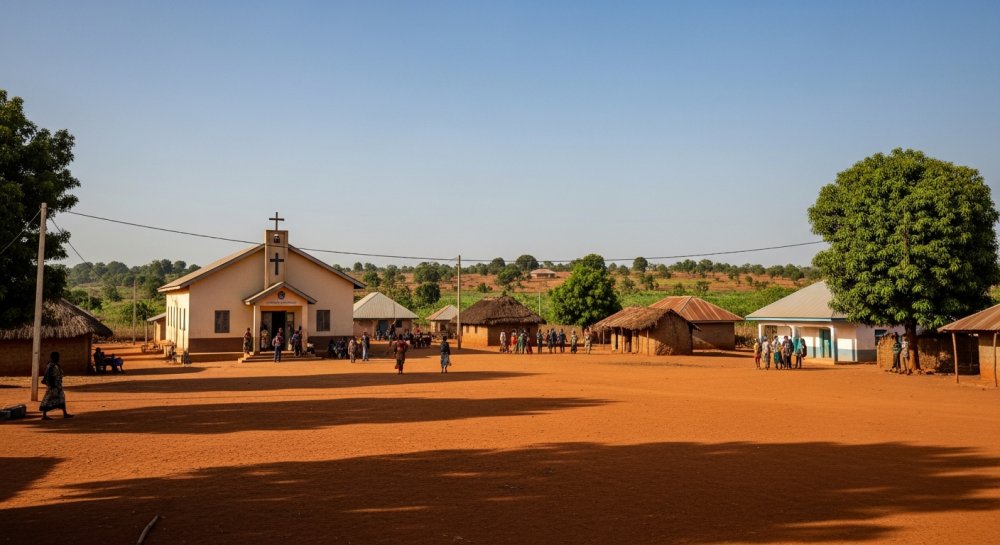
A devastating series of attacks by Fulani herdsmen has claimed the lives of 31 Christians across central Nigeria since early August, according to reports from local sources. The violence has affected multiple states, with Plateau state bearing significant casualties.
In Plateau state alone, 15 Christians have been killed since August 2nd in what appears to be a coordinated pattern of violence. The attacks represent the latest chapter in ongoing tensions between predominantly Muslim Fulani herdsmen and Christian farming communities in Nigeria’s Middle Belt region.
The violence has not been confined to Plateau state. Additional attacks in Kaduna and Benue states have brought the total death toll to 31, highlighting the widespread nature of the threat facing Christian communities in central Nigeria.
These killings underscore the severe persecution Christians face in Nigeria, where religious and ethnic tensions have created a dangerous environment for believers. The Middle Belt has become a flashpoint for violence, with farming communities often bearing the brunt of herdsmen attacks.
The international Christian community has repeatedly called for greater protection of religious minorities in Nigeria, where thousands of Christians have been killed in recent years. Many faith leaders describe the violence as a form of religious cleansing that has received insufficient attention from global media and political leaders.
Nigerian Christians continue to face threats from multiple sources, including Boko Haram terrorists in the northeast and herdsmen militias in the central regions. The cumulative effect has been devastating for Christian families and communities across Africa’s most populous nation.
Let us know what you think, please share your thoughts in the comments below.
Faith Facts
- An autopsy confirmed that an Afghan migrant who died in ICE custody had methamphetamine in his system, which contributed to his death.
- The report raises critical questions about border security and the proper screening of individuals entering the United States.
- The incident underscores the need for stronger immigration enforcement to protect American communities and ensure public safety.
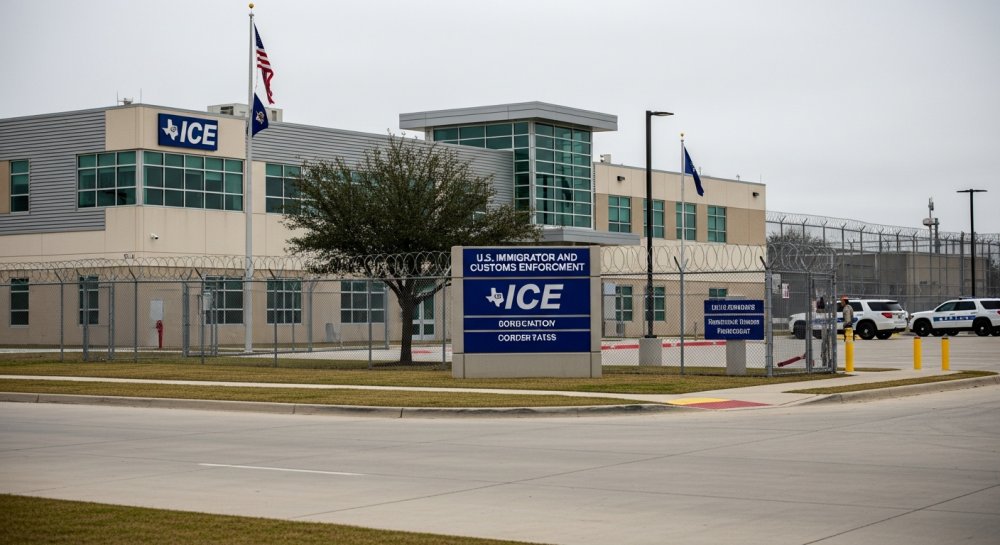
An autopsy report has revealed significant details about the death of an Afghan immigrant who died at a Texas hospital while in the custody of U.S. Immigration and Customs Enforcement (ICE). The report confirms that methamphetamine was present in the man’s system and likely played a role in his death.
The findings have sparked important questions about the circumstances surrounding the man’s detention and the broader implications for America’s immigration system. The presence of illegal drugs in the detainee’s system highlights ongoing concerns about the screening and vetting processes for individuals who enter the United States.
This tragic incident serves as a sobering reminder of the challenges facing immigration enforcement officers who work to maintain order and safety at the border. It also underscores the critical importance of comprehensive border security measures that protect both American citizens and those seeking to enter the country legally.
The death occurred after the Afghan national was taken into custody by immigration authorities and subsequently transported to a Texas medical facility. While the full circumstances surrounding his detention and hospitalization remain under investigation, the autopsy results provide crucial evidence about the factors that contributed to his death.
For many Americans who support stronger immigration enforcement, this case reinforces the need for thorough screening procedures and robust border security. The presence of methamphetamine raises questions about drug trafficking networks and the potential dangers posed by inadequately vetted border crossers.
The incident also highlights the complex challenges faced by ICE officers who must balance humanitarian concerns with their duty to enforce immigration laws and protect American communities. These dedicated public servants work under difficult conditions to uphold the rule of law while ensuring the safety and security of all individuals in their custody.
As the investigation continues, this case serves as a call to action for policymakers to strengthen immigration enforcement, enhance border security measures, and ensure that America’s immigration system prioritizes the safety and well-being of American citizens first. The tragic loss of life reminds us that effective immigration policy must be grounded in both compassion and common sense, always placing America’s national interests at the forefront.
Let us know what you think, please share your thoughts in the comments below.
Faith Facts
- A viral social media post about a $20 burrito sparked national conversation about America’s affordability crisis and its impact on working families
- Despite Republican victories in 2024, GOP leadership risks repeating past mistakes by failing to address kitchen-table economic concerns that matter most to American households
- Christians are called to steward resources wisely and advocate for policies that help families thrive, making economic justice a matter of biblical faithfulness
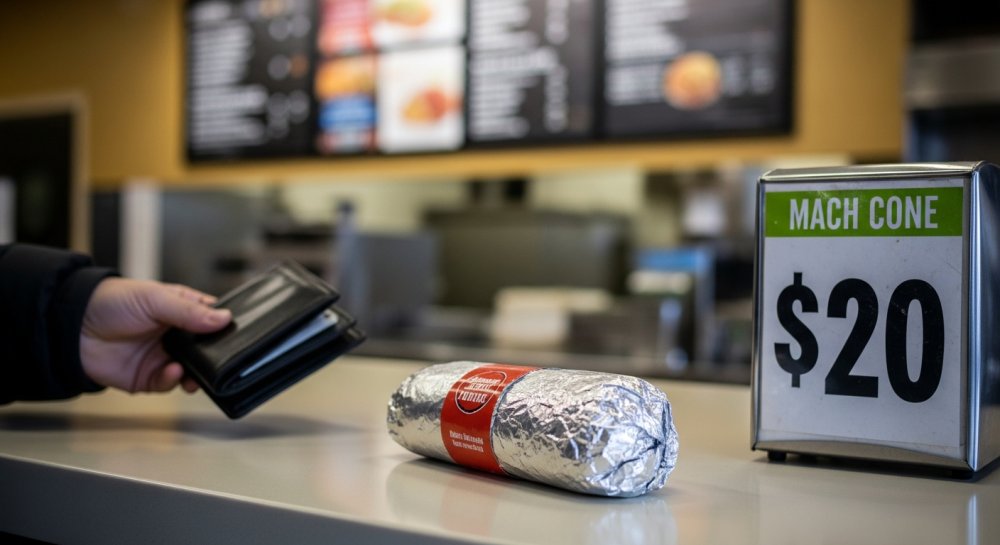
A simple social media post about the cost of a burrito ignited a national conversation this week — one that reveals far more about America’s economic reality than many in Washington want to admit. When ordinary Americans are struggling to afford basic meals, it’s not just an economic issue — it’s a moral one that speaks to the heart of how we steward the blessings God has given this nation.
The viral moment came when everyday consumers began sharing their shock at paying $20 or more for what used to be an affordable quick meal. The response was immediate and overwhelming, with thousands of Americans confirming they’re experiencing the same sticker shock across the country.
For Christian families trying to make ends meet, these aren’t abstract economic indicators — they’re real decisions about whether to go out to eat, whether the grocery budget will stretch far enough, whether saving for the future is even possible anymore. When Scripture calls us to provide for our families and be good stewards of our resources, inflation makes that biblical mandate increasingly difficult to fulfill.
The political implications are significant. Republicans won decisively in 2024 in part because voters trusted them to address exactly this kind of economic pain. Working families, including millions of Christians who voted on values and their wallets, expected action on affordability. Yet there are concerning signs that GOP leadership may be retreating to familiar territory — tax cuts for corporations and the wealthy — while ordinary Americans continue struggling with everyday costs.
This represents a dangerous disconnect. The same voters who delivered victory are still standing in line at the grocery store, still calculating whether they can afford to take their family out for a simple meal, still wondering when relief will come. If Republican leaders fail to prioritize policies that directly address these kitchen-table concerns, they risk squandering both their mandate and the trust of the very voters who put them in office.
There’s nothing wrong with pro-growth tax policy — economic expansion benefits everyone. But when families are choosing between filling up the gas tank and buying groceries, they need to see leaders who understand their immediate reality. They need policies that bring down costs, increase wages, reduce regulatory burdens on small businesses, and restore the economic opportunity that once defined the American Dream.
From a Christian perspective, this is about more than politics or economics. It’s about justice, stewardship, and the flourishing of families and communities. When government policies — whether through excessive spending, regulatory overreach, or monetary mismanagement — make it harder for families to thrive, that’s a concern that should unite believers across the political spectrum.
The $20 burrito is a symbol. It represents an economy that’s not working for ordinary people, despite what official statistics might say. It represents the gap between what political leaders think is important and what actually matters in the lives of millions of Americans.
For Republicans, the message should be clear: the 2026 midterm elections are just around the corner. Voters will remember whether their elected officials fought for policies that made their lives better or whether they got distracted by other priorities. The burrito test is simple — are families better off or not?
The opportunity is there for leaders who will seize it. Policies that reduce the cost of living, expand economic opportunity, cut through bureaucratic red tape, and put families first are both good politics and good policy. They align with conservative principles of limited government and free markets while addressing the real needs of real people.
Christians should be at the forefront of demanding this kind of leadership. Our faith calls us to care for the poor, to seek justice, to ensure that economic systems serve human flourishing rather than the other way around. When political leaders of either party lose sight of these priorities, people of faith have both the right and the responsibility to call them back to what matters.
The viral burrito moment is a warning and an opportunity. A warning that the disconnect between Washington and Main Street remains dangerously wide. An opportunity for leaders who are willing to listen, to understand, and to fight for policies that actually help the families who are struggling to make it in today’s economy.
The question is whether anyone in power is paying attention — or whether it will take another election shock to get their focus back where it belongs: on the everyday needs of everyday Americans trying to live out their faith, raise their families, and participate in the promise of this great nation.
Let us know what you think, please share your thoughts in the comments below.


-

 Self-Reliance1 year ago
Trump’s Bold Move Uncovers Massive Social Security Fraud
-

 Faith1 year ago
New Clues Emerge in Noah’s Ark Mystery
-

 News1 year ago
Governor Walz’s Rhetoric Sparks National Controversy
-

 News1 year ago
Mel Gibson’s ‘The Passion of the Christ’ Sequel Title Announced
-

 Family1 year ago
Texas Lawmaker Targets Furries in Schools
-

 Freedom1 year ago
Maine Lawmaker Challenges Sports Fairness Controversy
-

 Family1 year ago
Canada’s Controversial Policy Sparks Ethical Debate
-
Faith9 months ago
Congress Hears Pleas for Nigerian Christians