
Faith
Boxing Legend’s Evangelism Challenge Sparks Debate Among Faithful

Faith Facts
- Former world champion boxer Manny Pacquiao has called on Christians to set annual soul-winning goals and track conversions
- Critics warn that numerical evangelism targets may reduce people to statistics and create performance anxiety among believers
- The debate highlights tensions between measurable ministry outcomes and relationship-focused gospel sharing
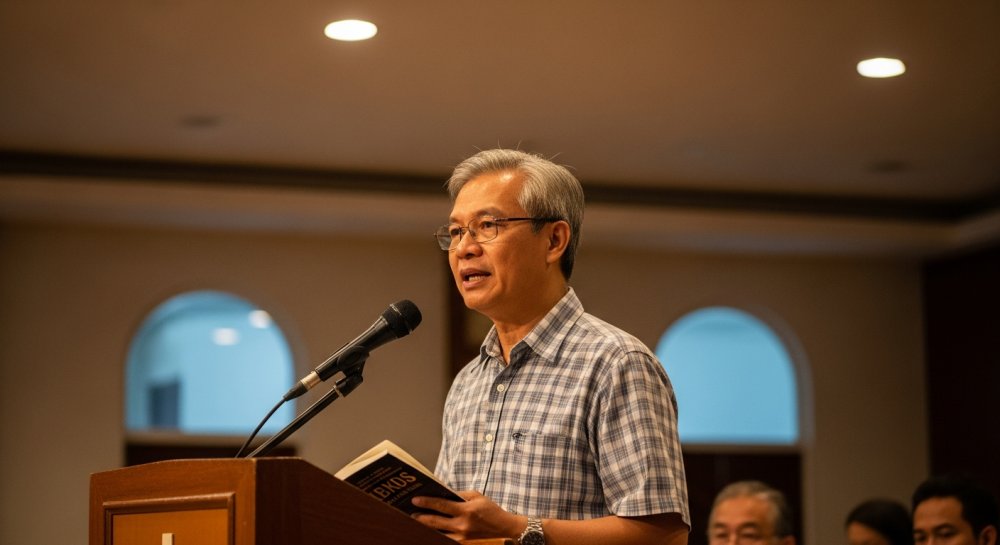
Boxing icon Manny Pacquiao, who transitioned from world champion fighter to Christian evangelist and politician, has issued a challenge to believers worldwide: set specific annual goals for winning souls to Christ. The call has sparked thoughtful discussion within Christian communities about the nature of evangelism and our responsibility to share the gospel.
Pacquiao’s approach reflects a business-minded strategy to the Great Commission, encouraging Christians to quantify their evangelistic efforts with concrete targets. For some, this represents accountability and intentionality in fulfilling Christ’s command to make disciples of all nations.
However, ministry leader Tim Yearsley raises important concerns about this metrics-driven approach to sharing faith. He questions whether numerical targets risk reducing precious souls to mere statistics and transforming the joy of evangelism into anxious performance.
The tension centers on a fundamental question: Can we measure kingdom work the same way we measure earthly success? While accountability certainly has biblical precedent, there’s wisdom in remembering that conversion is ultimately the work of the Holy Spirit, not human effort.
“We are called to be faithful witnesses, but we must remember that only God can change hearts,” notes one pastor who preferred to remain unnamed. “Our responsibility is to plant and water seeds, but God alone gives the growth.”
Pacquiao’s heart for evangelism is admirable and reflects his genuine transformation since accepting Christ. His platform as a global sports figure provides unprecedented opportunities to share the gospel with millions who might never enter a church building.
Yet the concern remains valid: when evangelism becomes primarily about hitting targets, we risk treating people as projects rather than precious souls created in God’s image. The gospel invitation should flow from love and relationship, not quota-driven urgency.
This doesn’t mean Christians shouldn’t be intentional about sharing their faith. Scripture clearly calls believers to be ready to give an answer for the hope within us and to go into all the world with the good news. The question is whether numerical goals help or hinder that mission.
Some argue that setting specific evangelism goals creates healthy accountability and prevents complacency. Others counter that it can lead to manipulation, pressure tactics, or superficial conversions that don’t produce lasting fruit.
The biblical model appears to emphasize faithfulness over results. Jesus told parables about sowers scattering seed broadly, knowing much would fall on hard ground. Paul planted, Apollos watered, but God gave the increase. Success was measured in obedience, not outcomes.
Perhaps the better approach combines intentionality with dependence on God’s sovereignty. Christians should actively seek opportunities to share the gospel while trusting the Holy Spirit to do the work only He can do in human hearts.
This also reminds us that evangelism isn’t separate from living out our faith authentically. The most powerful witness often comes through consistent Christian character, sacrificial love, and genuine relationships where the gospel naturally flows from our daily walk with Christ.
Pacquiao’s challenge, whatever its potential pitfalls, does highlight an important truth: too many Christians never share their faith at all. If numerical goals help some believers move from silence to speaking up about Jesus, that has value even if the approach isn’t perfect.
The key may be holding these twin truths in tension: be intentional about evangelism while avoiding the trap of treating souls as numbers. Set goals if helpful, but let those goals serve love rather than replace it.
As we navigate these questions, let’s remember that our ultimate accountability is to Christ Himself, who commissioned us to make disciples. Whether we track our evangelistic conversations or simply remain prayerfully attentive to divine appointments, the heart of the matter is faithful obedience motivated by love for God and others.
Let us know what you think, please share your thoughts in the comments below.

Faith Facts
- Bethel Church leader Bill Johnson taught at a Texas conference that while the Holy Spirit indwells believers, He “does not rest upon every believer”
- Evangelist Justin Peters publicly criticized Johnson’s teaching as unbiblical
- The theological debate centers on the distinction between the Holy Spirit’s indwelling versus His empowering presence
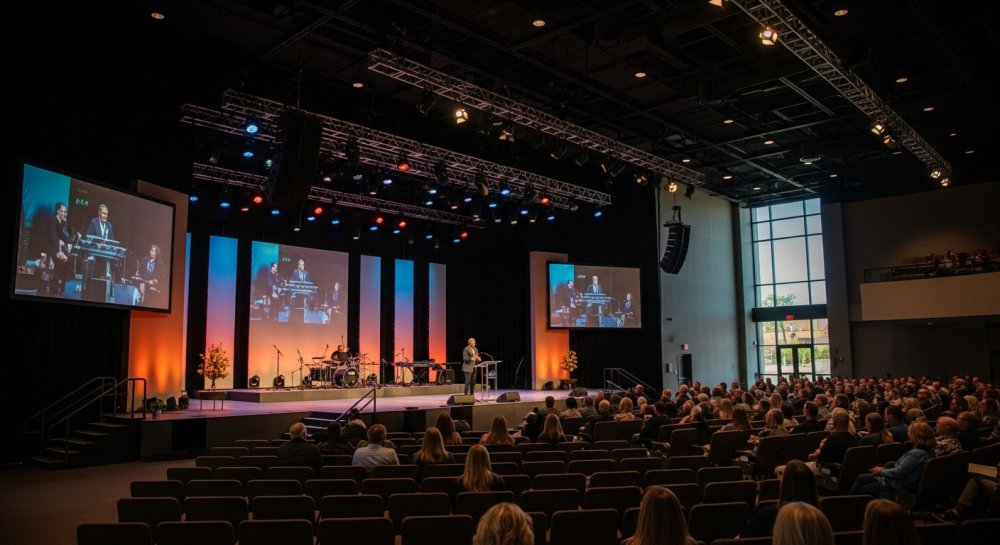
A theological controversy has emerged following statements made by Bill Johnson, senior leader of Bethel Church in Redding, California, at a recent conference in Texas. Johnson’s teaching about the Holy Spirit’s work in believers has drawn sharp criticism from discernment ministry leaders.
During his address, Johnson made a distinction between the Holy Spirit’s indwelling presence and what he described as the Spirit “resting upon” believers. According to Johnson’s teaching, while all Christians have the Holy Spirit living within them, not every believer experiences the Spirit resting upon them in the same way.
This theological position has prompted a strong response from evangelist and apologist Justin Peters, who has built a ministry focused on biblical discernment and confronting what he views as unbiblical teaching within the charismatic movement. Peters has been particularly vocal about teachings emerging from Bethel Church, which is known for its emphasis on signs, wonders, and supernatural manifestations.
The debate touches on fundamental questions about the nature of the Holy Spirit’s work in the life of every Christian. Traditional evangelical theology teaches that all believers receive the full indwelling of the Holy Spirit at the moment of salvation, with no “second blessing” or additional experience required for complete spiritual empowerment.
Bethel Church has been a controversial figure in evangelical circles for years, with critics raising concerns about various teachings and practices associated with the movement. The church has maintained significant influence through its worship music, Bethel School of Supernatural Ministry, and global conference network.
Johnson’s statements reflect a common teaching within certain charismatic and Pentecostal circles that distinguishes between different levels or types of Holy Spirit activity in believers’ lives. Proponents of this view often cite biblical examples of believers being “filled” with the Spirit on multiple occasions or the Spirit “coming upon” individuals for specific purposes.
Critics like Peters argue that such distinctions create an unbiblical hierarchy among Christians and undermine the sufficiency of salvation and the completeness of what Christ accomplished on the cross. They contend that Scripture teaches all believers have equal access to the full presence and power of the Holy Spirit.
The controversy highlights ongoing theological divisions within American Christianity regarding the person and work of the Holy Spirit. These debates have practical implications for how churches approach spiritual growth, ministry effectiveness, and the pursuit of supernatural experiences.
As this discussion continues, many Christians are being challenged to examine Scripture carefully and consider what it truly teaches about the Holy Spirit’s relationship with believers. The importance of sound biblical teaching on this foundational doctrine cannot be overstated, as it directly impacts believers’ understanding of their identity and empowerment in Christ.
Let us know what you think, please share your thoughts in the comments below.
Faith Facts
- A church leader was abducted last week in Heiban town, Sudan’s South Kordofan state, continuing a pattern of attacks on clergy
- The kidnapping follows previous assaults on Christian religious leaders in the same region last month
- Sudan’s Christian minority continues to face severe persecution amid ongoing conflict in the region
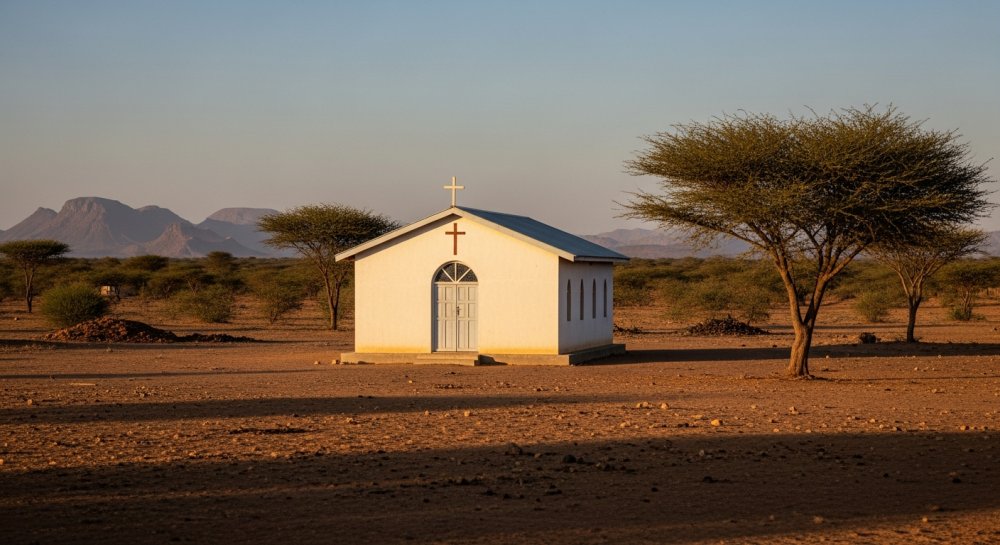
Another Christian leader has been forcibly taken in Sudan, marking the latest attack on people of faith in the war-torn African nation. The abduction occurred in Heiban town, located in South Kordofan state, where believers have increasingly faced targeted violence.
Sources confirmed the kidnapping follows a disturbing pattern of assaults on clergy that began last month in the same region. The targeting of Christian leaders represents a direct assault on religious freedom in an area where the faithful have long struggled to worship without fear.
South Kordofan state has become a dangerous flashpoint for religious persecution as Islamic militants and government-aligned forces continue to wage war against civilian populations. Christian communities in the region face constant threats to their safety, with pastors and church leaders particularly vulnerable to violence and abduction.
The ongoing persecution of Christians in Sudan reflects a broader crisis of religious liberty across portions of Africa and the Middle East. Believers in these regions depend on prayer and international advocacy to survive amid relentless hostility toward their faith.
This latest abduction underscores the urgent need for the international community to pressure Sudanese authorities to protect religious minorities and prosecute those responsible for attacks on people of faith. American Christians must remain vigilant in supporting their persecuted brothers and sisters through prayer, awareness, and action.
Let us know what you think, please share your thoughts in the comments below.

Faith Facts
- A 32,000-square-foot mosque development is planned in the suburbs north of Dallas, Texas
- Dozens of residents, including a local pastor and his son, publicly opposed the project at a community meeting
- Opponents cited concerns about preserving America’s Christian heritage and community character
A Texas pastor and his son joined dozens of concerned residents in speaking out against a proposed 32,000-square-foot Islamic development planned for their community north of Dallas. The public opposition highlighted deep concerns about preserving the Christian heritage and character of the area.
The pastor emphasized the importance of America’s Christian foundation during the public forum. Residents gathered to voice their concerns about the scale and impact of the proposed development on their neighborhood.
???? ALERT TEXAS:
McKinney is Becoming an Islamic Stronghold!
The McKinney Islamic Association (MIA) isn’t just expanding—it’s building an Islamic migration hub in Texas. They’ve secured 5.57 acres for a massive 40,000 sqft Islamic center featuring a prayer hall, gym,… pic.twitter.com/jPm4IjUNr3
— Amy Mek (@AmyMek) March 18, 2025
“Our American heritage is Christian,” the pastor declared during his remarks at the meeting.
The opposition comes as communities across America grapple with questions about religious development, zoning, and the preservation of local community character. Many residents expressed concern that the massive scale of the proposed facility would fundamentally alter the nature of their neighborhood.
The pastor’s son also addressed the gathering, joining his father in expressing concerns shared by many in attendance. The public meeting provided a forum for residents to make their voices heard on a development they believe would significantly impact their community.
Local officials are expected to consider the community feedback as they review the development proposal. The project has sparked broader conversations about religious freedom, community planning, and the importance of maintaining the traditional character of American neighborhoods.
Supporters of religious liberty on all sides continue to monitor the situation. The outcome of this proposal may set precedents for similar developments in other communities facing comparable situations.
Let us know what you think, please share your thoughts in the comments below.


-

 Self-Reliance1 year ago
Trump’s Bold Move Uncovers Massive Social Security Fraud
-

 Faith1 year ago
New Clues Emerge in Noah’s Ark Mystery
-

 News1 year ago
Governor Walz’s Rhetoric Sparks National Controversy
-

 News1 year ago
Mel Gibson’s ‘The Passion of the Christ’ Sequel Title Announced
-

 Family1 year ago
Texas Lawmaker Targets Furries in Schools
-

 Freedom1 year ago
Maine Lawmaker Challenges Sports Fairness Controversy
-

 Family1 year ago
Canada’s Controversial Policy Sparks Ethical Debate
-
Faith9 months ago
Congress Hears Pleas for Nigerian Christians