
News
Swiss Government Strips Clergy of Military Exemption Without Warning


Faith Facts
- Switzerland’s defence minister apologized to church leaders for excluding them from consultation before eliminating clergy exemptions from mandatory military service
- Catholic and Protestant leaders criticized the procedural lapse that ended a long-standing protection for religious ministers
- The sudden policy change raises concerns about government respect for religious institutions and freedom of conscience
Switzerland’s defence minister has issued a formal apology to church leaders after the government quietly stripped clergy of their traditional exemption from military service obligations—without consulting religious institutions beforehand.
The procedural failure has drawn sharp criticism from both Catholic and Protestant leadership across the nation. For generations, Swiss clergy have enjoyed exemption from the country’s mandatory military service requirements, a recognition of their unique vocational calling and the principle of religious freedom.
The defence minister’s apology came in written correspondence to church leaders, acknowledging the government’s failure to engage with religious institutions before implementing such a significant policy change. The sudden alteration of draft law raises troubling questions about the Swiss government’s commitment to respecting religious liberty and the traditional role of faith communities in society.
This development reflects a broader pattern seen across Western nations, where government policies increasingly bypass consultation with religious institutions on matters directly affecting them. The incident highlights the importance of maintaining open dialogue between civil authorities and faith communities—a principle deeply rooted in both Christian teaching and democratic governance.
Church leaders have expressed concern not only about the substance of the policy change but also about the process by which it was implemented. The exclusion of religious voices from discussions affecting clergy duties represents a concerning disregard for the institutional church and its role in Swiss society.
For Christian conservatives who value religious freedom and the proper relationship between church and state, this Swiss example serves as a reminder of the need for vigilance. When governments make unilateral decisions affecting religious practice without consulting faith leaders, it sets a dangerous precedent that can erode fundamental freedoms.
The defence minister’s apology, while welcome, leaves unanswered questions about whether the exemption will be restored and what steps will be taken to ensure proper consultation with religious institutions in future policy decisions affecting matters of faith and conscience.
Let us know what you think, please share your thoughts in the comments below.

News
Latvia Chooses Life Over Death: First Hospice Day Center Offers Alternative to Europe’s Assisted Dying Agenda

Faith Facts
- Latvia has opened its first hospice day center for palliative care, offering compassionate end-of-life care while Europe debates assisted dying laws
- The successful pilot program is being considered for national expansion across Latvia, providing a life-affirming alternative to euthanasia
- The initiative demonstrates how proper palliative care addresses patient needs without resorting to physician-assisted death
While much of Europe moves toward legalizing assisted dying, Latvia is taking a different path—one that honors the dignity and sanctity of human life. The nation’s first hospice day center for palliative care has proven so successful that officials are considering expanding the program nationwide.
The timing of this initiative carries profound significance. Across the European continent, several countries are actively debating or implementing assisted dying legislation, often framing it as compassionate care for the terminally ill.
Latvia’s approach offers a compelling counter-narrative: when patients receive proper palliative care, pain management, and emotional support, the desire for hastened death often diminishes significantly. The hospice day center model provides comprehensive care that addresses physical, emotional, and spiritual needs without abandoning patients to death.
This initiative aligns with traditional Christian teaching on the inherent dignity of every human life, from conception to natural death. The Catholic Church and evangelical Christian leaders have long advocated for improved palliative care as the moral alternative to euthanasia and assisted suicide.
The day center model allows patients to receive specialized care while maintaining connections with their families and communities. This approach recognizes that end-of-life care involves more than managing symptoms—it encompasses the whole person and their relationships.
As Europe grapples with profound questions about life, death, and human dignity, Latvia’s success with palliative care demonstrates that societies need not choose between suffering and death. A third option exists: compassionate care that walks alongside patients through their final journey, honoring life until its natural conclusion.
The potential nationwide expansion of this program could establish Latvia as a beacon of life-affirming healthcare in a region increasingly embracing the culture of death. For Christians and pro-life advocates worldwide, this development offers hope that proper investment in palliative care can change hearts and minds on assisted dying.
Let us know what you think, please share your thoughts in the comments below.
Faith Facts
- The Senate Homeland Security and Governmental Affairs Committee voted to hold Dr. Anthony Fauci in contempt of Congress
- The contempt charge follows a hearing examining the federal government’s COVID-19 pandemic response
- The Republican-led committee’s action marks a significant accountability measure for pandemic-era decisions that affected millions of American families
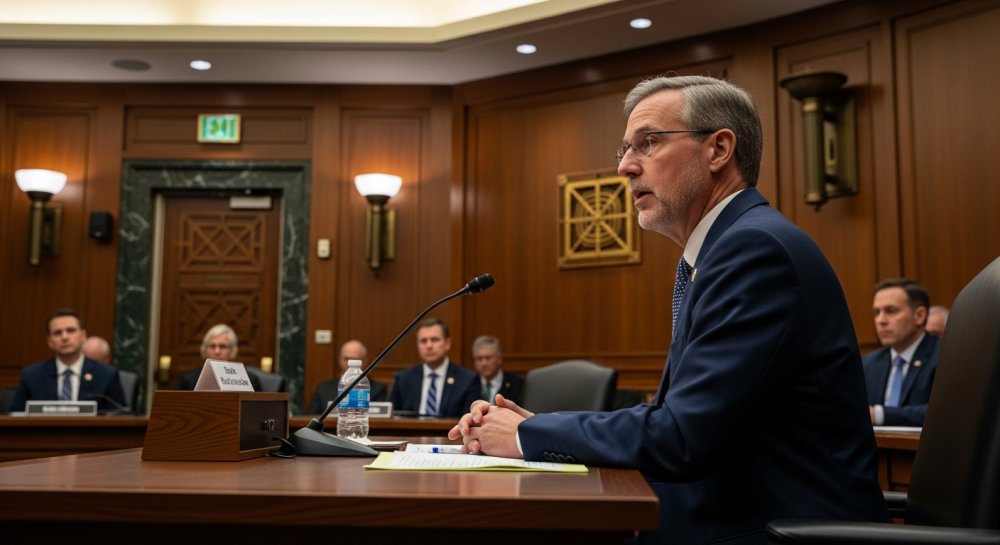
In a decisive move that signals growing accountability for pandemic-era leadership, the Senate Homeland Security and Governmental Affairs Committee voted Thursday to hold Dr. Anthony Fauci in contempt of Congress. The vote came after committee members conducted a hearing examining the federal government’s response to the COVID-19 pandemic.
The Republican-led committee’s action represents a historic step in congressional oversight of public health decisions that profoundly impacted American families, churches, and communities. During the pandemic, strict mandates affected everything from worship services to family gatherings, raising questions about government overreach and constitutional freedoms.
More than a million Americans died during COVID, many of whom died alone. Businesses were shattered. And people were forced to choose between complying with vaccine mandates or losing their jobs.
Refusing to answer questions about what took place does not honor those we lost,…
— Rand Paul (@RandPaul) August 6, 2026
BREAKING: Watch the moment the Senate Homeland Security Committee votes to hold Dr. Anthony Fauci in contempt after the former NIAID director invoked the Fifth Amendment 111 times during congressional hearing on COVID accountability. pic.twitter.com/ESGP1trQfg
— Fox News (@FoxNews) August 6, 2026
Dr. Fauci served as the face of the federal pandemic response, wielding unprecedented influence over policies that shuttered businesses, closed schools, and limited religious gatherings across the nation. Many Christian conservatives have long called for accountability regarding decisions that they believe infringed upon religious liberty and parental rights.
The contempt vote underscores ongoing concerns about transparency and truthfulness in government communications during the national emergency. Families who sacrificed years of normalcy—missing funerals, weddings, and worship—are seeking answers about the basis for policies that fundamentally altered American life.
This congressional action follows years of questions about the origins of COVID-19, the effectiveness of various interventions, and the suppression of alternative viewpoints during the pandemic. The committee’s willingness to pursue contempt charges suggests a commitment to uncovering the full truth about decisions that affected every American.
As the nation continues to reckon with the long-term consequences of pandemic policies—including learning loss in children, mental health crises, and economic hardship—calls for accountability have only intensified. This vote represents a step toward ensuring that those who wielded extraordinary power during the crisis answer for their decisions.
Let us know what you think, please share your thoughts in the comments below.

Faith Facts
- A Minnesota judge found a church treasurer liable for stealing nearly $150,000 from his congregation over multiple years
- The theft represents a serious breach of trust within a faith community that relied on his stewardship
- The case highlights the importance of financial accountability and oversight in church administration
A Minnesota man who served as treasurer for his local church has been found liable for stealing nearly $150,000 from the congregation he was entrusted to serve.
The ruling comes after the church discovered financial irregularities and pursued legal action to recover funds that were meant to support ministry work and community outreach. This breach of trust strikes at the heart of Christian stewardship principles that call believers to faithful management of resources entrusted to their care.
Churches across America depend on volunteers and lay leaders to handle financial matters with integrity and transparency. When that trust is violated, it doesn’t just impact the budget — it wounds the entire faith community and can shake confidence in church leadership.
The case serves as a sobering reminder that even faith-based organizations must implement proper financial controls and accountability measures. Regular audits, multiple signatories on accounts, and oversight committees are not signs of distrust but rather wise practices that protect both the church and those who serve in financial roles.
Scripture is clear about the importance of faithful stewardship. In Luke 16:10, Jesus taught, “Whoever can be trusted with very little can also be trusted with much, and whoever is dishonest with very little will also be dishonest with much.”
For congregations nationwide, this incident underscores the need for vigilance without paranoia — trusting people while also putting systems in place that prevent temptation and protect everyone involved. Good governance isn’t about suspicion; it’s about creating structures that allow ministry to flourish while safeguarding the resources God’s people have sacrificially given.
As churches navigate an increasingly complex financial landscape, incidents like this remind us that eternal vigilance and biblical accountability must go hand in hand with Christian charity and trust.
Let us know what you think, please share your thoughts in the comments below.


-

 Self-Reliance1 year ago
Trump’s Bold Move Uncovers Massive Social Security Fraud
-

 Faith1 year ago
New Clues Emerge in Noah’s Ark Mystery
-

 News1 year ago
Governor Walz’s Rhetoric Sparks National Controversy
-

 News1 year ago
Mel Gibson’s ‘The Passion of the Christ’ Sequel Title Announced
-

 Family1 year ago
Texas Lawmaker Targets Furries in Schools
-

 Freedom1 year ago
Maine Lawmaker Challenges Sports Fairness Controversy
-

 Family1 year ago
Canada’s Controversial Policy Sparks Ethical Debate
-
Faith9 months ago
Congress Hears Pleas for Nigerian Christians