
News
Federal Agents Let Fentanyl Flow, Whistleblower Reveals

Faith Facts
- A DEA whistleblower alleges federal agents allowed hundreds of thousands of fentanyl pills to be distributed in New Mexico communities
- Law enforcement officials and elected leaders are expressing outrage, warning that lives were likely lost due to this investigative tactic
- The revelation raises serious moral questions about government priorities and the value of human life in federal operations
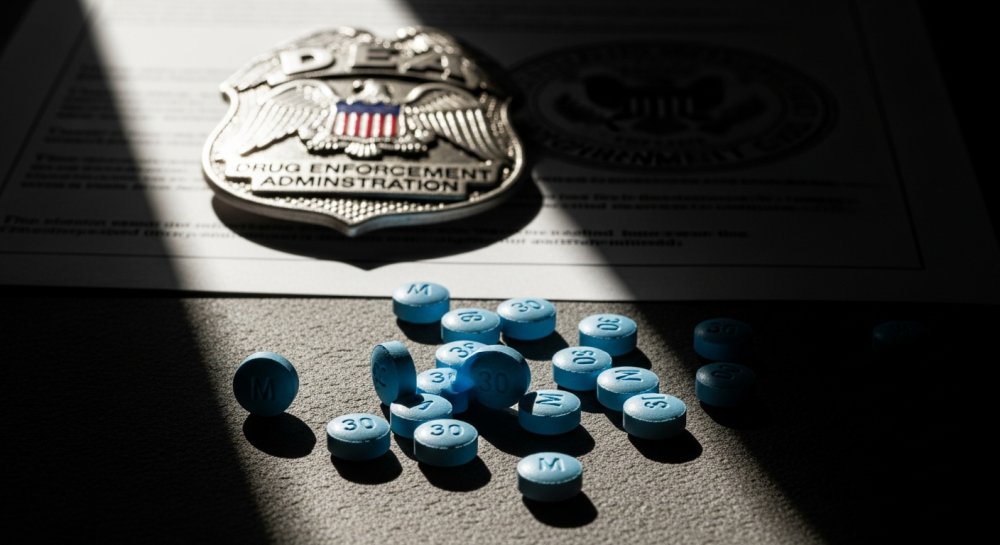
A shocking allegation has emerged from within the U.S. Drug Enforcement Administration, with a whistleblower claiming that federal agents deliberately allowed hundreds of thousands of deadly fentanyl pills to circulate through New Mexico communities. The tactic, reportedly part of a broader investigation, has ignited fierce criticism from law enforcement officials and elected representatives who believe it may have resulted in preventable deaths.
The controversy centers on a fundamental question that should trouble every American who values human life: At what point does a federal investigation cross the line from law enforcement into complicity with evil? When government agents knowingly permit poison to flow into communities—into the hands of vulnerable Americans, including young people—they abandon their sacred duty to protect the innocent.
This is not merely a policy dispute or a debate about investigative tactics. This is about the value we place on human life, particularly the lives of those caught in the deadly grip of addiction. For Christians who believe that every person bears the image of God, the alleged decision to let these dangerous drugs reach American families represents a profound moral failing.
The fentanyl crisis has devastated communities across our nation, tearing apart families and claiming tens of thousands of lives each year. Parents have buried children. Children have lost parents. Communities have watched as the social fabric that holds them together has been shredded by this deadly substance, much of which flows across our southern border from Mexican cartels.
One source familiar with the situation reportedly stated that the operation amounted to poisoning their own community—a damning assessment that should haunt everyone involved in the decision-making process. When those sworn to protect us instead facilitate harm, trust in our institutions crumbles.
The reactions from officials reflect a growing frustration with federal agencies that seem more interested in building cases than protecting citizens. Law enforcement exists to serve the people, not to use them as pawns in elaborate investigations that may look impressive on paper but leave destruction in their wake.
This situation also highlights a broader problem with government overreach and misplaced priorities. While federal agents were allegedly allowing fentanyl to flow freely, ordinary Americans were dying. Families were being destroyed. Communities were crying out for help. Yet the machinery of federal investigation apparently ground forward, heedless of the human cost.
For Christian conservatives who believe in limited government and local control, this case illustrates why we must be skeptical of concentrated federal power. When bureaucrats in distant offices make decisions that directly impact local communities, accountability disappears. The people making these choices don’t attend the funerals. They don’t counsel the grieving parents. They don’t see the faces of those whose lives are shattered.
The alleged actions also raise serious questions about the rule of law. If federal agents can decide which laws to enforce and when—if they can choose to let criminals operate freely when it suits their purposes—then we no longer have equal justice under law. We have a system where federal officials pick winners and losers, deciding whose safety matters and whose doesn’t.
Furthermore, this controversy comes at a time when Americans’ faith in federal institutions is already deeply eroded. From politicized investigations to selective enforcement, citizens have watched as agencies that should serve the public interest often seem to serve their own. This latest revelation will only deepen that distrust.
The fentanyl crisis demands urgent action, moral clarity, and a commitment to protecting American lives above all else. It requires securing our borders to stop the flow of these deadly substances. It requires holding dealers and traffickers accountable. And it requires federal agencies that put American lives first, not investigative glory or bureaucratic goals.
As this story develops, Americans deserve full transparency about what happened, who authorized it, and what safeguards exist to prevent such decisions in the future. The families who have lost loved ones to fentanyl deserve to know whether federal policies contributed to their tragedy.
Most importantly, this situation calls for a return to first principles: that government exists to protect the innocent, that human life has infinite value, and that no investigation—however important it may seem—justifies deliberately exposing communities to deadly poison. These are not radical ideas. They are the bedrock of civilized society and the foundation of just governance.
Let us know what you think, please share your thoughts in the comments below.

Faith Facts
- A former youth pastor charged with murdering his wife nearly two decades ago died by suicide in police custody this week.
- Authorities reopened the cold case after new evidence emerged in what was previously ruled an accidental death.
- The case highlights the importance of justice and accountability, even when years have passed since a tragedy occurred.
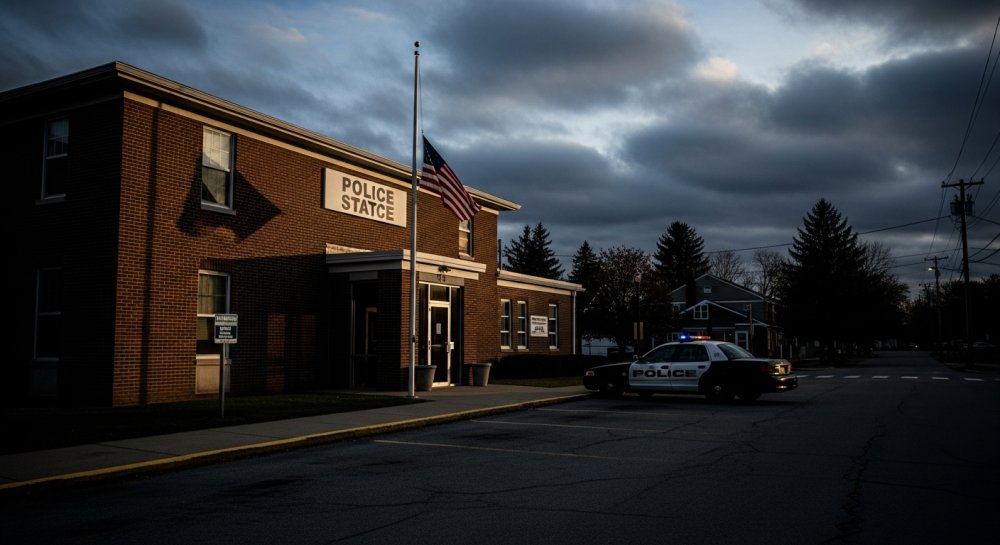
A former youth pastor who served in ministry nearly 20 years ago has died by suicide while in police custody after being charged this week with the murder of his wife, authorities confirmed.
The man was arrested following a reopened investigation into his wife’s death, which had long been ruled accidental. New evidence reportedly prompted law enforcement to revisit the case and ultimately bring murder charges against him.
The tragedy has sent shockwaves through the community where the former pastor once served. Many who knew the couple decades ago expressed disbelief at the allegations and the subsequent death in custody.
Authorities have not released specific details about what new evidence led to the charges or the circumstances surrounding the suicide. The investigation into the original death remains ongoing, even as the suspect’s own death closes the possibility of a trial.
The case serves as a sobering reminder that justice, though sometimes delayed, remains essential for victims and their families. It also underscores the profound responsibility that comes with positions of spiritual leadership and the devastating impact when trust is violated.
For families affected by both the original tragedy and this week’s developments, the path forward will require faith, healing, and the support of their communities. The pursuit of truth and accountability, even after many years, reflects a commitment to justice that honors victims and upholds the rule of law.
Let us know what you think, please share your thoughts in the comments below.
Faith Facts
- Pastor Tony Spell of Life Tabernacle Church in Baton Rouge faces conflicting accounts with Central Police Department regarding prior complaints of harassment from neighbors.
- The pastor previously gained national attention for keeping his church open during COVID-19 lockdowns in defense of religious liberty.
- Central Police Department denies that Pastor Spell filed harassment complaints before a physical altercation occurred with a neighbor.
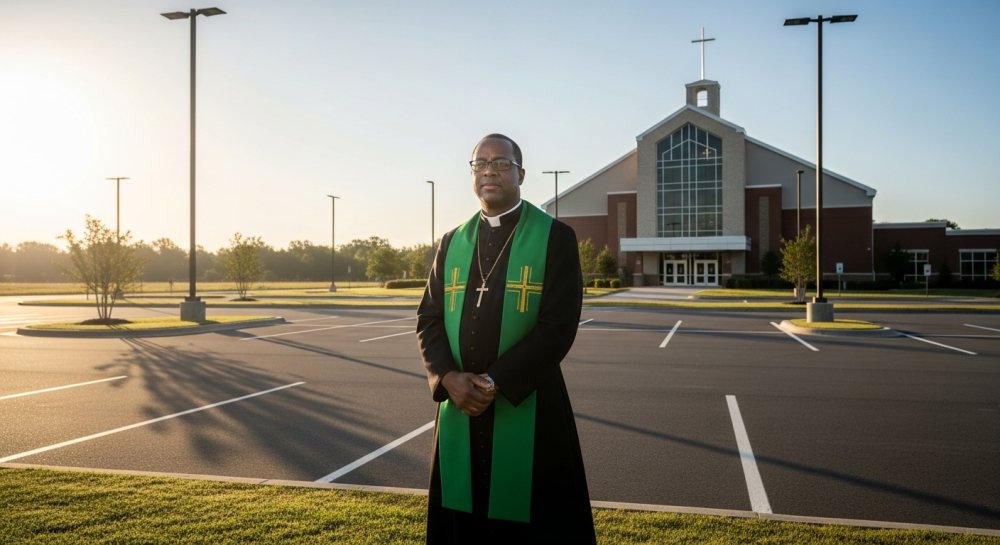
A dispute between Pastor Tony Spell of Life Tabernacle Church and the Central Police Department in Baton Rouge, Louisiana, has emerged over whether law enforcement properly responded to the pastor’s concerns before a violent confrontation with a neighbor. The clash highlights ongoing tensions in the community and raises questions about police responsiveness to citizen complaints.
Pastor Spell, who became a prominent figure in the religious liberty movement during the COVID-19 pandemic for refusing to close his church, maintains that he repeatedly contacted police about harassment from neighbors before the incident escalated. The Central Police Department, however, has publicly denied receiving such complaints prior to the physical altercation.
The pastor’s church gained national attention when he defied government lockdown orders, arguing that the restrictions violated his First Amendment rights to religious freedom and assembly. His stand resonated with Christians across America who viewed the pandemic restrictions as government overreach into church affairs.
Details surrounding the specific nature of the alleged harassment and the subsequent physical confrontation remain under investigation. The conflicting accounts between Pastor Spell and local law enforcement have created uncertainty about the timeline of events leading up to the incident.
The disagreement underscores broader concerns among faith communities about whether law enforcement adequately protects the rights and safety of religious leaders and their congregations. Many Christians believe that people of faith face increasing hostility in public life and require equal protection under the law.
Pastor Spell’s history of standing firm on matters of religious conscience has earned him both supporters who admire his conviction and critics who question his approach. His willingness to challenge government authority on religious liberty grounds has made him a polarizing figure in Louisiana and beyond.
The Central Police Department’s denial of prior complaints raises questions about documentation and communication between citizens and law enforcement. Proper record-keeping and responsive policing are essential to maintaining public trust and ensuring community safety.
As this situation continues to develop, it serves as a reminder of the importance of truthful communication, proper documentation, and mutual respect between all parties involved. The Christian community watches closely to see how these conflicting accounts will be resolved.
Let us know what you think, please share your thoughts in the comments below.
Faith Facts
- Multiple members of Churches of Christ in Venezuela died when powerful earthquakes struck the nation Wednesday, with at least 164 total deaths reported
- Adela Maqueda and her niece perished when a wall collapsed on them in Caracas, while another church member sustained a skull fracture and had to be carried to a hospital by bicycle
- Church members were meeting for prayer when the quakes hit, quickly evacuating their building and helping elderly neighbors and those in wheelchairs escape
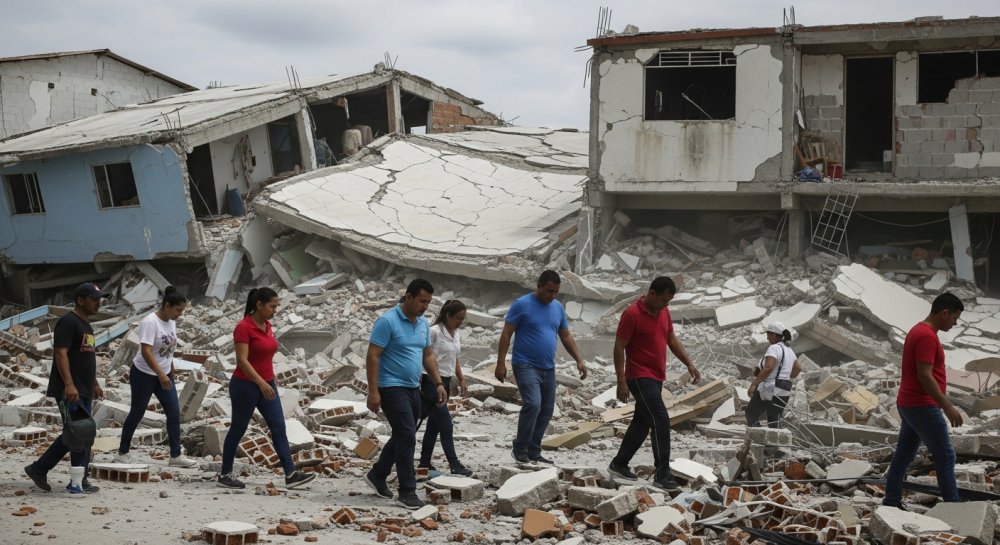
Believers in Venezuela are mourning the loss of fellow church members following a series of catastrophic earthquakes that struck the South American nation Wednesday, claiming lives and leaving communities desperate for help amid widespread destruction.
“It’s a terrible situation,” said Germán Chirinos, a minister in the nation’s capital, Caracas. “Communications are down. There are places without electricity. Some people are trapped under buildings.”
Among the victims were Adela Maqueda, who worshiped with a Church of Christ in Caracas, and her niece, who died when a wall collapsed on top of them. Another church member named Edgar sustained a skull fracture in the disaster. In a testament to the dire circumstances facing Venezuelans, friends were forced to carry him on a bicycle to the nearest hospital.
In Caracas, the devastation was widespread.
“Many buildings collapsed partially, but others completely,” Chirinos said.
The destruction near the earthquakes’ epicenters was even more severe. The first earthquake struck near the town of San Felipe, about 100 miles west of the capital, around 5 p.m. Wednesday. A second, larger quake followed less than a minute later near the town of Yumare. The quakes represent the strongest to strike Venezuela in more than a century, according to the U.S. Geological Survey.
At least 164 people died and nearly 1,000 more were injured, according to initial reports from Venezuela’s government. Among the hardest-hit regions are communities in Venezuela’s La Guaira state, north of Caracas. At least one couple who worshiped with a Church of Christ there died in the quakes, church members reported. Several other members in La Guaira are missing, Chirinos said.
Carlos León, who ministers for a Church of Christ in San Antonio de los Altos, south of Caracas, described how a group of church members were meeting in an apartment when the earthquakes began. They prayed quickly before taking the stairs out of the building and helping others.
“There are many elderly people in that building, people in wheelchairs,” León said.
Those at the service “began to help people get out and to carry people.”
León sent a voicemail message as his cellphone was losing its charge. The minister has been without power for a day, he said. The loss of basic infrastructure has compounded the tragedy, making rescue and recovery efforts even more challenging.
“It’s been sad and difficult because we have lost church members, particularly here in San Antonio,” León said, “but also brothers and sisters we know from other congregations, some of whom remain trapped.”
Some, including Edgar, are recovering from their injuries.
“But there are other brothers… we’re trying to pull out of the rubble,” León said, “hoping they’re also alive.”
The natural disaster follows more than a decade of economic and political turmoil in Venezuela. More than 7 million Venezuelans have left the country since 2014, and those who remain struggle with unemployment and rising crime rates. In January, the U.S. attacked Caracas and seized the country’s president, Nicolás Maduro, and his wife, indicting them on charges of narcoterrorism. Delcy Rodríguez serves as Venezuela’s acting president, but uncertainty hangs over the country’s future and its relationship with the U.S.
Now, León said, “the earthquake complicates everything.”
The tragedy in Venezuela reminds us of the fragility of life and the importance of faith in times of crisis. These believers faced unimaginable loss yet immediately turned to prayer and service, helping their neighbors escape danger. Their example demonstrates the power of Christian community and sacrificial love even in the darkest moments.
Let us know what you think, please share your thoughts in the comments below.


-

 Self-Reliance1 year ago
Trump’s Bold Move Uncovers Massive Social Security Fraud
-

 Faith1 year ago
New Clues Emerge in Noah’s Ark Mystery
-

 News1 year ago
Governor Walz’s Rhetoric Sparks National Controversy
-

 News1 year ago
Mel Gibson’s ‘The Passion of the Christ’ Sequel Title Announced
-

 Family1 year ago
Texas Lawmaker Targets Furries in Schools
-

 Freedom1 year ago
Maine Lawmaker Challenges Sports Fairness Controversy
-

 Family1 year ago
Canada’s Controversial Policy Sparks Ethical Debate
-
Faith7 months ago
Congress Hears Pleas for Nigerian Christians