
Faith
Why Today’s Young People Fear Silence More Than Screens


Faith Facts
- A recent government trial restricting teenagers’ social media access revealed many experienced anxiety and isolation without their devices
- Christian leaders warn this reflects a deeper spiritual crisis: a generation unable to cope with silence and stillness
- The church once offered contemplative practices and solitude as pathways to God, but has largely abandoned these traditions in favor of entertainment-driven worship
A striking government trial that limited teenagers’ access to social media has exposed a troubling reality about the next generation. When their screens were taken away, many young people didn’t just miss their favorite apps—they reported genuine anxiety and overwhelming feelings of isolation.
These findings point to something far more profound than simple addiction to technology. They reveal a generation that has become deeply uncomfortable with silence, unable to exist peacefully in their own thoughts without constant digital stimulation.
The irony should not be lost on Christians: the church has always possessed the answer to this crisis. For centuries, believers understood the spiritual power of silence, solitude, and contemplative prayer. Monasteries and convents were built around the principle that encountering God requires quieting the noise of the world.
Yet modern American churches have largely abandoned these practices. In our rush to remain “relevant” and compete with entertainment culture, we’ve filled our sanctuaries with lights, smoke machines, and rock-concert atmospheres. We’ve traded contemplation for constant activity, silence for noise, depth for distraction.
The consequences are now evident in our young people, who have grown up in churches that mirror the very culture making them anxious. They’ve been taught to fear boredom rather than embrace it as an opportunity to hear from God. They’ve learned to fill every moment with stimulation rather than create space for the Holy Spirit.
Scripture consistently points believers toward stillness. “Be still, and know that I am God,” the Psalmist writes. Jesus Himself regularly withdrew to quiet places to pray, modeling a rhythm of engagement and solitude that feels foreign to most contemporary Christians.
Our spiritual ancestors understood what we’ve forgotten: transformation happens in silence. The desert fathers and mothers, medieval mystics, and Protestant reformers all emphasized the necessity of withdrawing from worldly noise to hear God’s voice clearly.
Today’s teenagers, raised on instant communication and endless scrolling, desperately need what the church once offered freely. They need to be taught that silence isn’t something to fear but a gift to embrace. They need safe spaces to disconnect from screens and reconnect with their Creator.
Instead, many churches have become just another source of overstimulation. Youth groups focus on games and entertainment rather than prayer and meditation. Worship services prioritize production value over creating space for God to move. We’ve become so afraid of losing young people that we’ve failed to offer them what they actually need.
The solution isn’t to return to legalism or reject all technology. Rather, the church must recover its contemplative heritage and teach it to a generation starving for meaning beyond the next notification. We must create intentional opportunities for silence in our gatherings and model healthy rhythms of digital engagement and rest.
Parents and church leaders should consider regular technology fasts, teaching young people to sit with their thoughts and prayers without reaching for their phones. Youth ministries could incorporate periods of silent prayer and reflection rather than constant activity. Families might establish phone-free times and spaces in their homes.
The trial’s findings about teenagers and social media aren’t just about screen time—they’re a spiritual diagnosis. A generation that fears silence is a generation that will struggle to hear from God. And a church that has abandoned stillness cannot effectively minister to that generation’s deepest needs.
The good news is that the answer already exists within Christian tradition. We don’t need to invent new programs or techniques. We simply need to recover what we’ve lost: the courage to be still, the discipline to create space for God, and the wisdom to teach these practices to those coming after us.
In an age of constant noise and digital distraction, the church’s call to silence and contemplation isn’t outdated—it’s prophetic. It’s exactly what our young people need, even if they don’t yet know it themselves.
Let us know what you think, please share your thoughts in the comments below.

Faith Facts
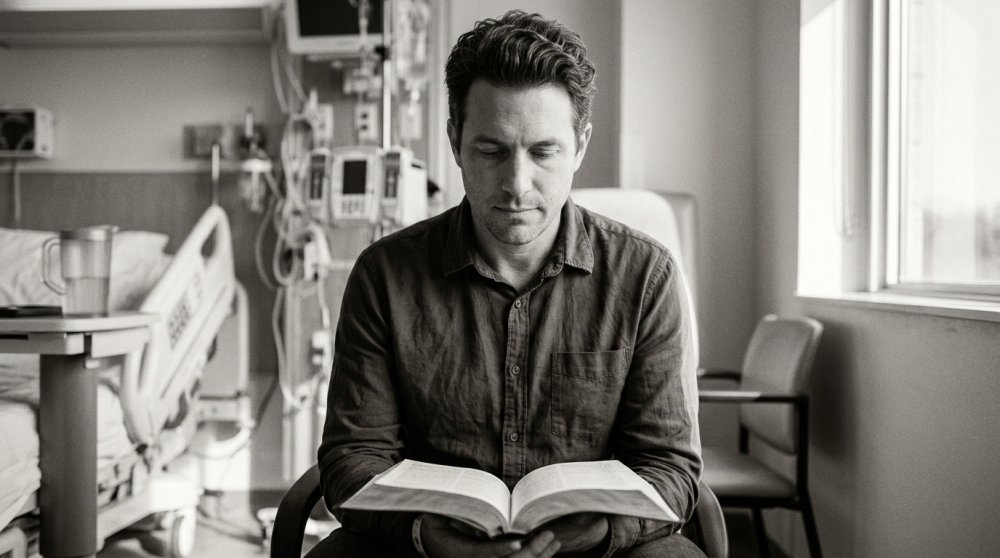
- Dylan Mandell, a Christian social media influencer, has received his fourth cancer diagnosis in four years.
- Mandell publicly declares he is standing on God’s promise of long life despite the repeated health trials.
- The influencer’s testimony highlights unwavering faith and reliance on Scripture amid suffering.
Christian social media influencer Dylan Mandell has been diagnosed with cancer for the fourth time in four years. Yet he refuses to let fear define his story. Instead, he is clinging to the biblical promise of long life.
“I am holding on to God’s promise of long life,” Mandell said. The statement reflects his determination to trust Scripture even when circumstances appear grim.
Family, friends, and followers have rallied around Mandell as he faces this latest battle. His transparency about his health has encouraged many believers to strengthen their own faith during trials.
Through every diagnosis, Mandell has pointed others back to the Word of God. He continues to share messages of hope grounded in Scripture rather than statistics.
Let us know what you think, please share your thoughts in the comments below.
Faith Facts
- Frank Turek continues sharing the Gospel on college campuses despite the trauma of witnessing Charlie Kirk’s assassination.
- Turek credits his faith in Christ for helping him process the violence and remain committed to truth.
- The Christian apologist warns that America is engaged in a spiritual battle over reality itself.
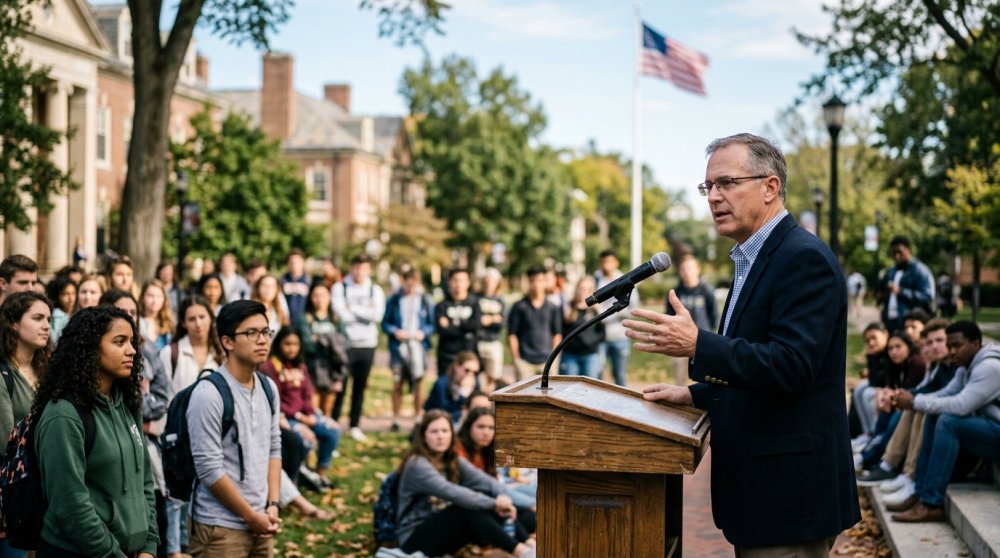
Christian apologist Frank Turek has spoken candidly about the profound effect of watching Charlie Kirk’s assassination unfold before his eyes. The shocking act of violence has not silenced his message. Instead, it has strengthened his resolve to continue proclaiming the Gospel on university campuses across the nation.
Turek explained that his faith has been the anchor keeping him steady through the aftermath of the tragedy. He described turning to Scripture and prayer as he grappled with the reality of what he witnessed. That same faith now fuels his determination to keep engaging students with biblical truth.
“The war on reality is real, and it is spiritual,” Turek stated.
He emphasized that the same cultural forces celebrating the murder of Charlie Kirk are the forces actively opposing biblical Christianity on campuses and in the public square. Turek refused to retreat in the face of such hostility, insisting that the Gospel must still be proclaimed even when the cost is high.
“I refuse to back down,” he declared.
Turek’s commitment reflects a broader pattern among Christian leaders who view current cultural battles as part of an ongoing spiritual conflict. He continues to equip believers with apologetics while urging them to stand firm in the face of increasing opposition to traditional values and religious liberty.
Let us know what you think, please share your thoughts in the comments below.
Faith Facts
- Parents in Connecticut challenged a state law that removed religious exemptions for school vaccine requirements.
- The lawsuit was dismissed after a judge ruled the exemptions are not protected under existing religious freedom statutes.
- The decision leaves families with no legal recourse when their sincerely held beliefs conflict with state mandates.
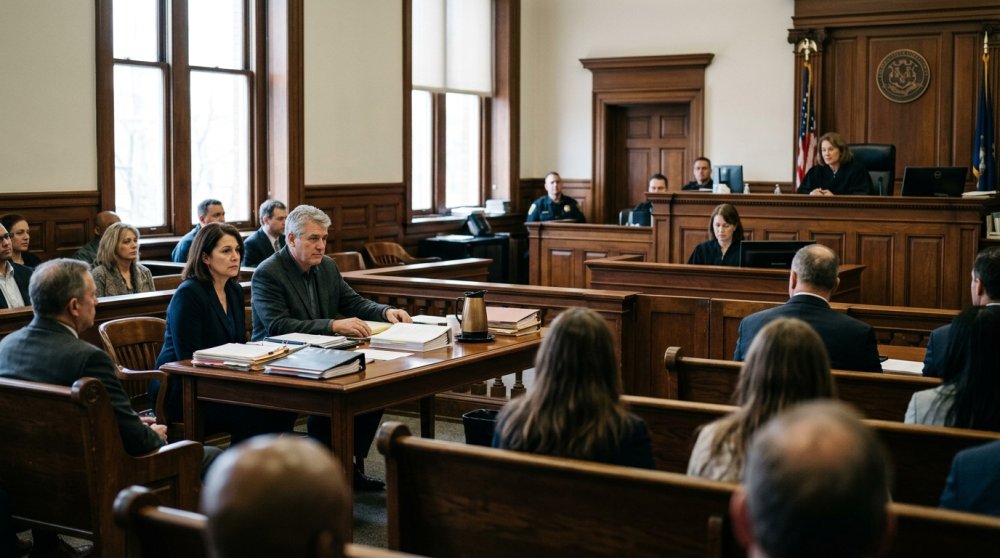
Parents who filed suit to protect their right to decline vaccines on religious grounds saw their case dismissed by a Connecticut judge. The court ruled that the state law eliminating religious exemptions does not violate the state’s religious freedom protections.
The decision means children whose parents hold sincere religious objections to certain vaccines will still be required to receive them in order to attend public school. Families who believe vaccination conflicts with their faith now face limited options within the state.
“The plaintiffs have failed to demonstrate that the religious exemptions are protected under the state religious freedom law,” the ruling stated.
Advocates for parental rights argue the ruling prioritizes government mandates over deeply held beliefs. They warn that similar efforts to remove religious exemptions could spread to other states if left unchallenged.
Critics of the original law contend it undermines the principle that parents, not the state, hold primary responsibility for medical decisions involving their children. They say the ruling sets a troubling precedent that could erode other conscience protections.
Let us know what you think, please share your thoughts in the comments below.


-

 Self-Reliance1 year ago
Trump’s Bold Move Uncovers Massive Social Security Fraud
-

 Faith1 year ago
New Clues Emerge in Noah’s Ark Mystery
-

 News2 years ago
Governor Walz’s Rhetoric Sparks National Controversy
-

 News1 year ago
Mel Gibson’s ‘The Passion of the Christ’ Sequel Title Announced
-

 Family2 years ago
Texas Lawmaker Targets Furries in Schools
-

 Freedom2 years ago
Maine Lawmaker Challenges Sports Fairness Controversy
-

 Family1 year ago
Canada’s Controversial Policy Sparks Ethical Debate
-
Faith10 months ago
Congress Hears Pleas for Nigerian Christians