
Faith
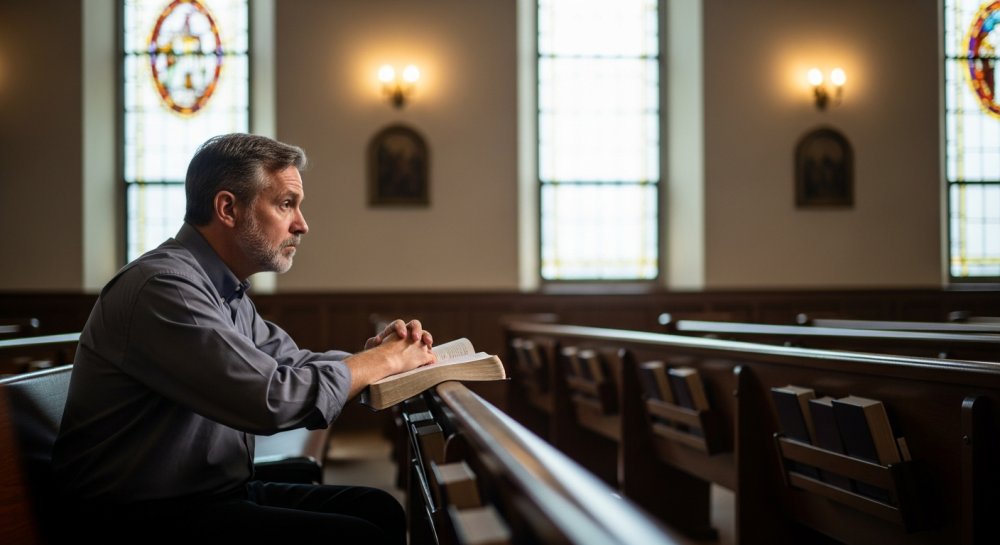
Fewer Pastors Finding Deep Fulfillment in Ministry Despite Improved Mental Health

Faith Facts
- A growing number of pastors report feeling less satisfied with their ministry calling, according to new Barna research
- Despite declining job satisfaction, pastors show improvements in mental health and report feeling better equipped for ministry than a decade ago
- The findings reveal a complex picture of modern pastoral ministry with both encouraging and concerning trends
America’s pastors face a paradox in their calling: while their mental health and ministry readiness have improved over the past decade, a troubling trend shows fewer shepherds finding deep fulfillment in the work God has called them to do.
New research from Barna reveals this concerning shift in pastoral satisfaction, even as other metrics show positive movement. The findings paint a complex picture of ministry life in America today, one that demands attention from congregations nationwide.
The research indicates that while pastors feel more equipped and mentally healthier than their counterparts from ten years ago, something fundamental has shifted in their sense of calling and purpose. This disconnect between capability and satisfaction raises important questions about the state of pastoral ministry in our nation.
For churches across America, these findings serve as a wake-up call. Our pastors need more than just better tools and improved mental health resources—they need renewed vision for the eternal impact of their calling and strong support from their congregations.
The decline in pastoral fulfillment comes at a critical time when strong, faithful leadership is needed more than ever. As our culture grows increasingly hostile to Christian values, pastors stand on the front lines, shepherding flocks through unprecedented challenges to faith and family.
This research underscores the importance of prayer, encouragement, and tangible support for those called to lead God’s people. Churches must prioritize not just the effectiveness of their pastors, but the joy and fulfillment they experience in their sacred calling.
The tension between improved preparation and declining satisfaction suggests that technical competence alone cannot sustain the pastoral calling. Spiritual vitality, community support, and a clear sense of divine purpose remain essential for those who serve in ministry leadership.
As we face mounting cultural pressures and spiritual battles, the well-being of our pastors directly impacts the health of our churches and communities. Their fulfillment in ministry isn’t a luxury—it’s a necessity for effective kingdom work.
Let us know what you think, please share your thoughts in the comments below.


Faith Facts
- Pope Paul VI’s coronation in 1963 was the last papal coronation in Catholic Church history, ending a tradition spanning over a millennium
- Gospel music legend Andraé Crouch was born this week in 1942, going on to shape contemporary Christian worship music for generations
- Anglican missionaries arrived in Borneo during this week in church history, bringing the Gospel to Southeast Asia
This week marks several pivotal moments in Christian history that continue to shape the faith today. From the end of an ancient papal tradition to the birth of a gospel music pioneer, these events remind us of how God works through both institutional change and individual gifts to advance His kingdom.
On June 30, 1963, Pope Paul VI received the papal tiara in what would become the final coronation ceremony in Roman Catholic history. The elaborate ritual, which had crowned popes for over a thousand years, featured the ornate triple crown symbolizing the pontiff’s authority. Pope Paul VI later chose to set aside the practice, signaling a shift toward humility and simplicity in papal leadership that continues to this day.
In a very different corner of Christendom, July 1, 1942, marked the birth of Andraé Crouch in Los Angeles, California. The son of a pastor, Crouch would grow to become one of the most influential figures in gospel and contemporary Christian music. His songs, including “My Tribute (To God Be the Glory)” and “The Blood Will Never Lose Its Power,” have been sung in churches across denominational lines for decades.
Crouch’s musical ministry broke down barriers between traditional gospel and contemporary worship, helping to usher in a new era of praise music that emphasized both musical excellence and biblical truth. His work earned him seven Grammy Awards and an Academy Award nomination, demonstrating that music rooted in Christian faith could achieve both spiritual impact and artistic recognition.
Also this week in Christian history, Anglican missionaries arrived in Borneo, bringing the message of salvation to indigenous populations in Southeast Asia. Their arrival represented the ongoing fulfillment of the Great Commission, as faithful believers carried the Gospel to distant shores where Christ’s name had not yet been proclaimed.
These diverse events—spanning continents, denominations, and centuries—illustrate the multifaceted nature of Christian witness. Whether through institutional reform, artistic expression, or missionary zeal, believers throughout history have found different ways to honor Christ and spread His truth.
The end of papal coronations reflected a broader movement within Catholicism toward evangelical simplicity. The birth of Andraé Crouch gave the church a voice that would inspire millions to worship with joy and authenticity. And the arrival of missionaries in Borneo demonstrated the enduring call to take the Gospel to every nation.
Each of these moments reminds us that Christian history is not merely a record of the past, but a living testimony to God’s ongoing work in His church. As we remember these events, we are called to consider how we, too, might faithfully serve in our own generation.
Let us know what you think, please share your thoughts in the comments below.

Faith Facts
- Christian author Linda Condolora offers practical guidance for believers who feel spiritually stagnant in their walk with Christ
- “Bold Devotion” uses an acrostic structure to help readers reignite the fervor they experienced at their conversion
- The book emphasizes sacrificing worldly distractions, diving deeper into Scripture, and living intentionally for the Lord
We all know about the rut — the one that we who have been Christians for quite some time can get into. The one where our spiritual fervor is depleted and our autopilot kicks on to keep us moving forward.
This is where going through the motions becomes our normal, and we don’t even realize we have slipped into the rut until a book like “Bold Devotion” shakes us and pulls us out.
Linda Condolora, a member of the Wetzel Road Church of Christ in Liverpool, N.Y., provides practical advice on how to regain that zeal we had when we first arose from the watery grave of baptism!
Her book invites readers to assess their lives and do some house cleaning where necessary. The chapters revolve around topics that will help us to achieve this by using an acrostic of the book’s title.
She begins with our reflection of Jesus and how we need to refocus our lenses on him, not letting worldly distractions blur our vision. Others are sure to detect whether we have been spending time with the Lord, and how we represent Christ to the world is of utmost importance.
Condolora consistently urges us to sacrifice our wants and desires and to dive deeper into the depth of God’s Word — focusing on the meaty morsels and not simply on the milk.
Next, we are called to not be ignorant of God’s expectations clearly laid out by the measuring stick standard — his Holy Writ. By doing so, we gain a greater understanding of who we once were and where God has brought us through the death of his son.
This helps us with our attitudes toward the lost because we realize we were once in the same situation! Our rut can sometimes look like spending all of our time with the church and not seeing the opportunities that God is setting before us to reach souls.
The remainder of the book centers on aligning with God’s will, living inconveniently and whole-heartedly for the Lord, and tying ourselves to truth as we worship and serve him accordingly.
Condolora’s thoughts on being prepared and intentional about how we can influence others to live the abundant life stuck with me as I earnestly jotted down notes and highlighted passages. A final note on the Holy Spirit and prayer wraps up the book’s desire for us to utilize these powerful tools and gifts in our lives.
One of the things I enjoyed most about this book was how the author incorporated personal stories and experiences that gave real world examples to the messages she was trying to paint in the reader’s mind. I can almost feel her passion flowing from the words, and I love that she has embraced the boldness that she encourages others to share in.
While my views may not align exactly with hers on subjects such as social drinking and the Holy Spirit’s specific role in our lives today, this was certainly a book that sparked my interest and awoke me from somewhat of a spiritual slumber. If you find yourself in the rut, pick up this book and remember what it was like to have that fire burning within you. Then go out and live boldly devoted to the Lord!
Let us know what you think, please share your thoughts in the comments below.
Faith Facts
- The United Methodist Church has removed Asbury Theological Seminary from its approved schools list after 80 years, citing disagreements over biblical sexuality
- Asbury Seminary maintains its historic Christian position that marriage is between one man and one woman
- The split reflects the broader divide in mainline denominations between traditional biblical teaching and progressive theology
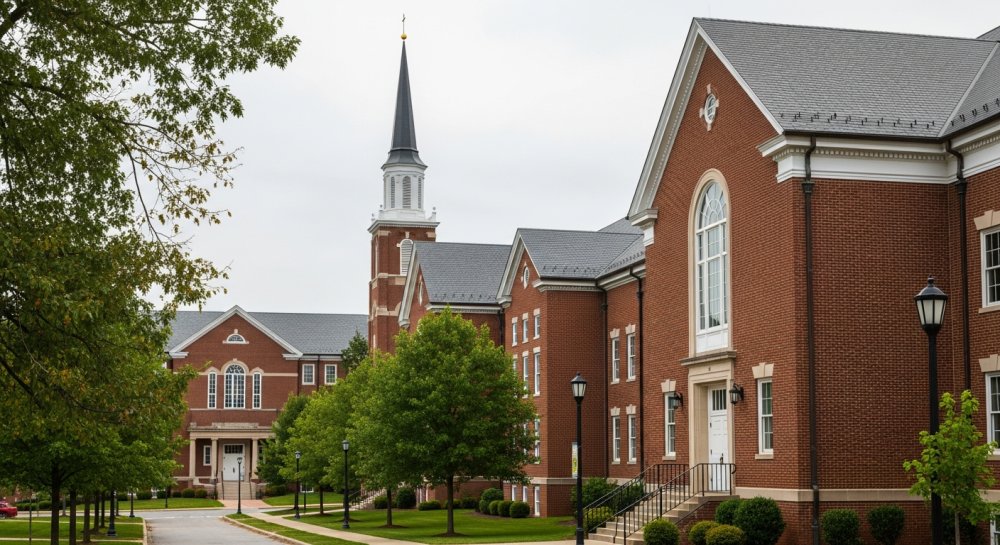
After eight decades of partnership, the United Methodist Church has officially severed ties with Asbury Theological Seminary, removing the evangelical institution from its list of approved seminaries. The break comes as no surprise to those watching the widening gap between biblical orthodoxy and the progressive direction of mainline Protestant denominations.
The removal stems from fundamental disagreements over human sexuality, with Asbury Seminary standing firm on the biblical definition of marriage as a covenant between one man and one woman. The seminary has refused to compromise on its conviction that Scripture clearly defines God’s design for sexual expression within the bounds of traditional marriage.
This decision by the UMC represents more than an administrative change—it’s a clear signal of where the denomination is heading. For faithful Christians within the UMC and beyond, the split illustrates the cost of maintaining biblical fidelity in an age when many religious institutions are abandoning historic Christian teaching in favor of cultural accommodation.
The 80-year relationship between Asbury and the UMC once represented a shared commitment to spreading the gospel and training ministers in Wesleyan theology. That common ground has eroded as the UMC has increasingly embraced positions on sexuality and gender that contradict traditional biblical interpretation.
Asbury Seminary’s willingness to be removed rather than compromise its convictions demonstrates the kind of courage Christian institutions need in this moment. While maintaining denominational approval might seem practical, the seminary has chosen to prioritize theological integrity over institutional convenience.
The broader context reveals a pattern across American Christianity: denominations and institutions face a choice between affirming what Scripture teaches about marriage and sexuality or conforming to contemporary cultural pressures. Those who choose the former increasingly find themselves on the outside of mainline denominational structures.
For conservative Christians, this development serves as both a warning and an encouragement. It’s a warning that the divide over biblical authority continues to widen, making unity with progressive denominations increasingly difficult. But it’s also an encouragement that institutions like Asbury Seminary still exist—places where future pastors and Christian leaders can be trained in sound doctrine without compromise.
The removal of Asbury from the UMC’s approved list will have practical implications for Methodist students considering seminary education. Those who share Asbury’s biblical convictions may now face pressure or obstacles if they choose to attend a school their denomination no longer endorses. This creates another pressure point for faithful believers trying to navigate service within a denomination drifting from its theological moorings.
This situation mirrors the broader realignment happening across American Protestantism. Thousands of UMC congregations have already disaffiliated from the denomination over these same issues, forming new networks and denominations committed to historic Christian teaching. The Asbury-UMC split is another chapter in that same story.
What’s at stake goes beyond policy disagreements or institutional politics. The question is whether Christian institutions will treat Scripture as the authoritative Word of God or as a document that must be reinterpreted to align with modern sensibilities. Asbury Seminary has made its choice clear.
The seminary’s decision reflects a conviction that some things are worth losing approval over. In an era when many Christian institutions have sacrificed theological clarity for the sake of maintaining relationships and relevance, Asbury’s stand deserves recognition and support from believers who share their commitment to biblical truth.
Let us know what you think, please share your thoughts in the comments below.


-

 Self-Reliance1 year ago
Trump’s Bold Move Uncovers Massive Social Security Fraud
-

 Faith1 year ago
New Clues Emerge in Noah’s Ark Mystery
-

 News1 year ago
Governor Walz’s Rhetoric Sparks National Controversy
-

 News1 year ago
Mel Gibson’s ‘The Passion of the Christ’ Sequel Title Announced
-

 Family1 year ago
Texas Lawmaker Targets Furries in Schools
-

 Freedom1 year ago
Maine Lawmaker Challenges Sports Fairness Controversy
-

 Family1 year ago
Canada’s Controversial Policy Sparks Ethical Debate
-
Faith7 months ago
Congress Hears Pleas for Nigerian Christians