
Faith
Mississippi Churchgoers Escape Tornado Without Injury While Singing Hymn

Faith Facts
- Coaltown Baptist Church members sang ‘Amazing Grace’ as a tornado struck their building in Purvis, Mississippi
- At least 14 tornadoes swept across Mississippi Wednesday, injuring 17 people statewide
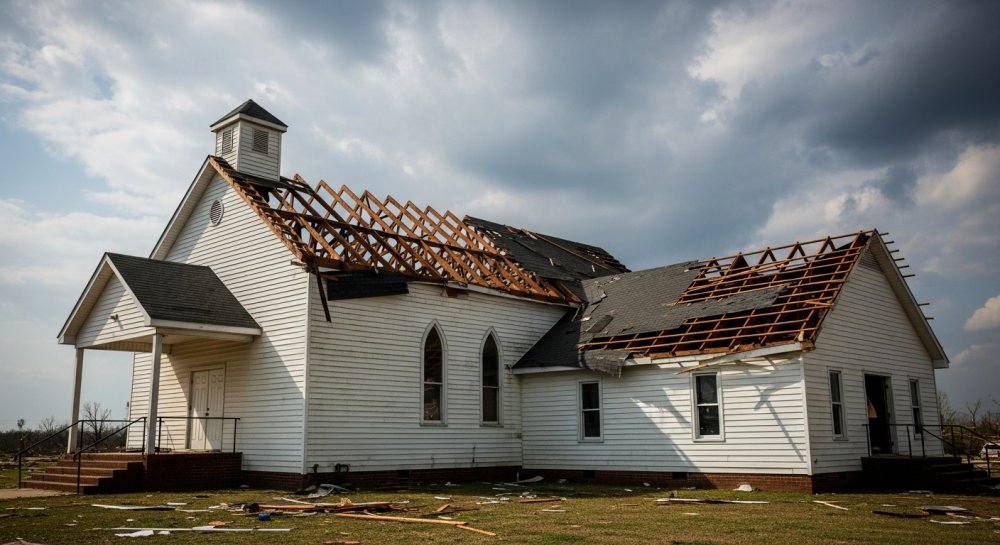
- The tornado ripped the roof off the church’s fellowship hall, but all members inside escaped without injury
Members of Coaltown Baptist Church in Purvis, Mississippi, are giving thanks to God for His divine protection after they walked away unharmed from a powerful tornado strike. The storm, one of at least 14 tornadoes that tore through the state Wednesday, ripped the roof off their fellowship hall while worshippers were inside singing “Amazing Grace.”
Despite the severity of the storm and the structural damage to the building, every person inside escaped without injury. The tornado outbreak across Mississippi left 17 people injured statewide, making the protection experienced at Coaltown Baptist Church all the more remarkable.
The timing of the hymn being sung as the tornado struck has not been lost on the faithful congregation. “Amazing Grace,” one of Christianity’s most beloved hymns, speaks of God’s providential care and deliverance through trials. The words “through many dangers, toils, and snares, I have already come; ’tis grace hath brought me safe thus far, and grace will lead me home” took on profound meaning as the storm raged overhead.
Wednesday’s severe weather event demonstrates the unpredictable and dangerous nature of tornado outbreaks in the Deep South. Mississippi sits in what meteorologists call “Dixie Alley,” a region particularly vulnerable to violent tornadoes, especially during the spring months.
The fellowship hall, where church members gather for meals, meetings, and community events, sustained significant damage when the tornado’s powerful winds tore away its roof. Such damage typically occurs with tornadoes rated EF-2 or higher on the Enhanced Fujita Scale, with wind speeds exceeding 111 miles per hour.
For the congregation of Coaltown Baptist Church, the experience has become a testimony to God’s faithfulness and protection. In communities of faith across America, particularly in tornado-prone regions, stories of divine intervention during natural disasters serve to strengthen belief and build congregational bonds.
The broader tornado outbreak affected communities across Mississippi, with emergency responders working throughout the day to assist those injured and assess damage. The 17 injuries reported statewide, while serious, could have been far worse given the number and intensity of the storms.
Churches in the American South have long served as gathering places not just for worship, but as community centers and shelters during emergencies. The fact that members were together when the tornado struck likely contributed to the organized response and everyone’s safe evacuation.
The Purvis community, located in Lamar County in southeastern Mississippi, now faces the task of rebuilding. However, for those who were present at Coaltown Baptist Church during the tornado, the physical reconstruction will be accompanied by spiritual reinforcement of their faith.
Weather experts continue to monitor conditions across the region as tornado season progresses. Residents in vulnerable areas are reminded to have emergency plans in place and to seek shelter immediately when tornado warnings are issued.
Let us know what you think, please share your thoughts in the comments below.

Faith Facts
- Vice President JD Vance led rally attendees in reciting the Lord’s Prayer when a woman collapsed nearby.
- The moment highlighted the continued presence of Christian faith in American public life and political gatherings.
- Vance personally left the stage to check on the woman after leading the prayer.
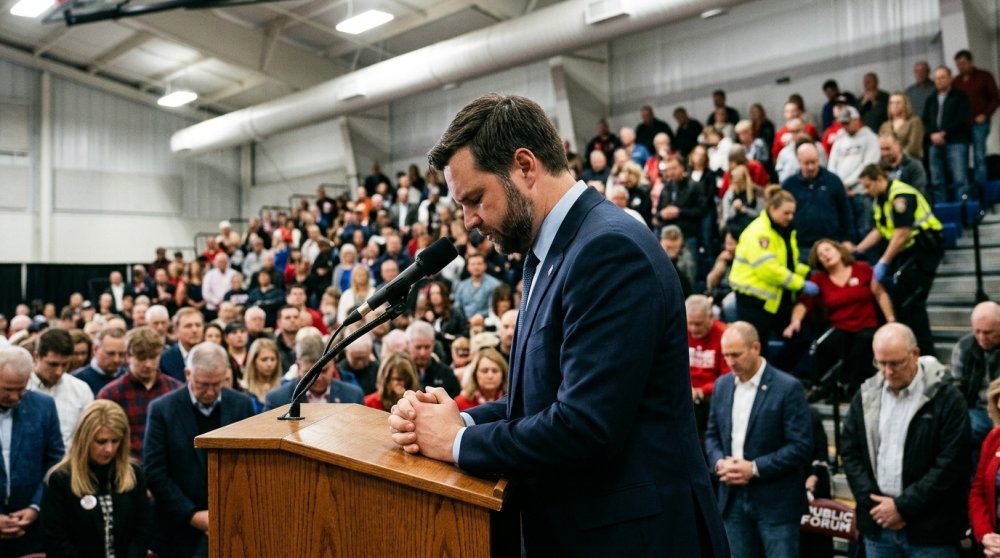
Vice President JD Vance paused a Nebraska campaign rally to lead the crowd in the Lord’s Prayer after a woman collapsed in the audience.
The incident took place during a live event where Vance addressed supporters and addressed policy issues.
“Pray as the Lord taught us to pray,” Vance said before leading the audience in the traditional prayer.
After finishing the prayer, Vance stepped down from the stage and made his way into the stands to personally check on the woman who had collapsed.
The spontaneous act of faith and compassion drew praise from attendees who witnessed the moment.
Let us know what you think, please share your thoughts in the comments below.
Faith Facts
- Oxford mathematician and Christian apologist Professor John Lennox encourages believers to share their faith with confidence.
- Lennox stresses that evangelism is not reserved only for preachers, theologians, or those with extensive biblical knowledge.
- Every Christian is called to be a witness for Christ in daily life.
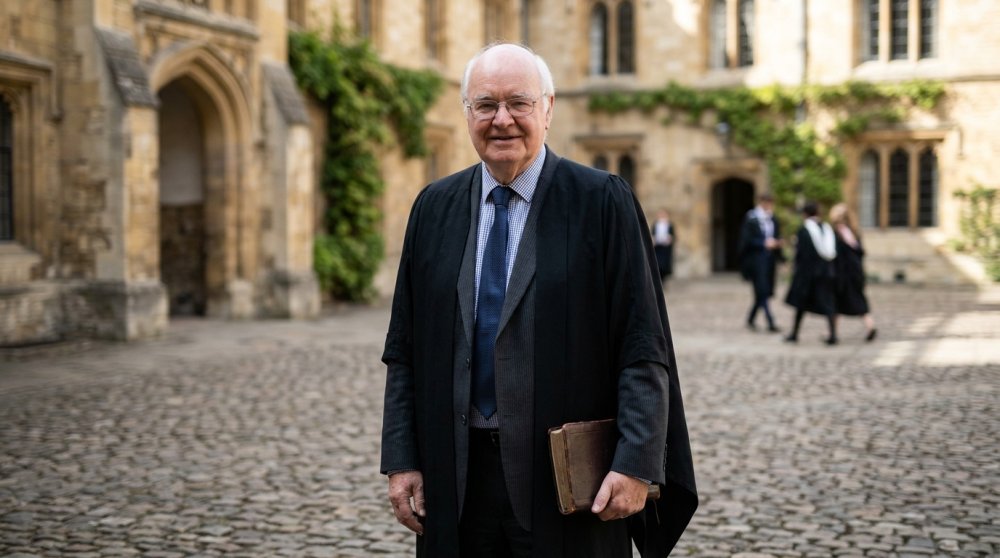
Oxford mathematician and Christian apologist Professor John Lennox is urging believers everywhere to share their faith with greater boldness and confidence. He reminds Christians that the call to witness is not limited to pastors or scholars but belongs to every follower of Christ.
“We’re all called to be witnesses,” Lennox declares. This simple truth challenges the idea that only trained experts can effectively share the gospel.
Professor Lennox emphasizes that evangelism is not about having every theological answer or delivering polished sermons. Instead, it is about living out and speaking the truth of Christ wherever God places His people.
His words come as a timely encouragement to Christians who may feel hesitant or unqualified to speak about their faith. Lennox points to the biblical calling that every believer is a witness, empowered by the Holy Spirit to share the hope within them.
Let us know what you think, please share your thoughts in the comments below.
Faith Facts
- At least seven Christians were killed in a targeted attack on a Greek Orthodox funeral service in Jordan.
- The assault occurred at a church known for peaceful worship and interfaith coexistence in the region.
- The attack highlights the ongoing threat of Islamic extremism to Christian communities worldwide.
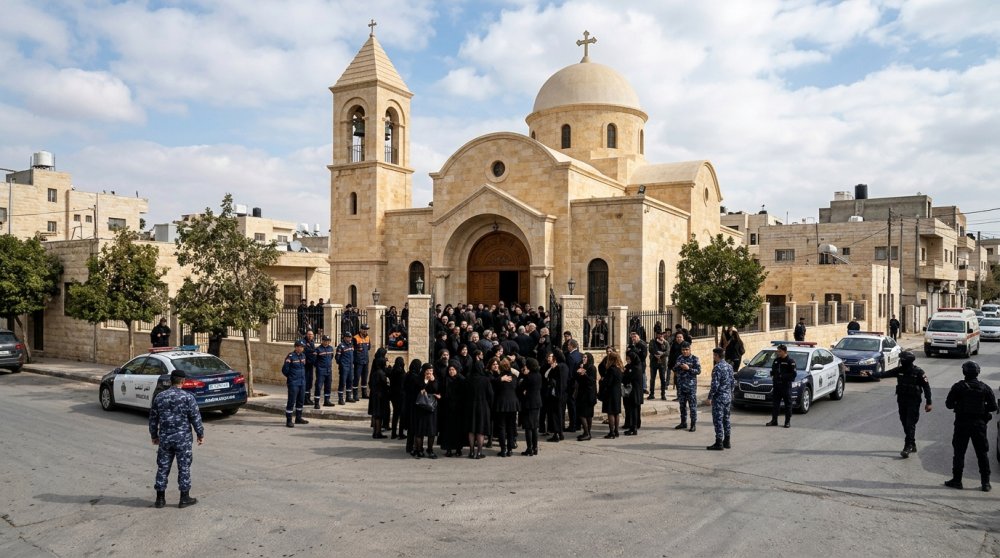
In a rare attack in a country known for peaceful inter-faith coexistence, suspected Islamic extremists attacked a funeral at a Greek Orthodox church in Jordan on Friday (Oct. 23), shooting at least seven people to death and wounding 28 others, according to reports.
The violence interrupted a sacred time of mourning and remembrance, striking at the heart of a Christian community gathered in faith.
Let us know what you think, please share your thoughts in the comments below.


-

 Self-Reliance2 years ago
Trump’s Bold Move Uncovers Massive Social Security Fraud
-

 Faith2 years ago
New Clues Emerge in Noah’s Ark Mystery
-

 News2 years ago
Governor Walz’s Rhetoric Sparks National Controversy
-

 News2 years ago
Mel Gibson’s ‘The Passion of the Christ’ Sequel Title Announced
-

 Family2 years ago
Texas Lawmaker Targets Furries in Schools
-

 Freedom2 years ago
Maine Lawmaker Challenges Sports Fairness Controversy
-

 Family1 year ago
Canada’s Controversial Policy Sparks Ethical Debate
-
Faith11 months ago
Congress Hears Pleas for Nigerian Christians