
News
Iran Faces Consequences as War Threatens Global Energy Markets

Faith Facts
- President Trump warned Saturday he may order additional military strikes if Iran continues aggressive behavior as competing peace proposals emerge
- A Christian convent in Lebanon was struck during ongoing Hezbollah-IDF clashes, highlighting the conflict’s impact on religious communities
- The extended war has disrupted a fifth of the world’s oil and gas supplies for over two months, threatening global economic stability
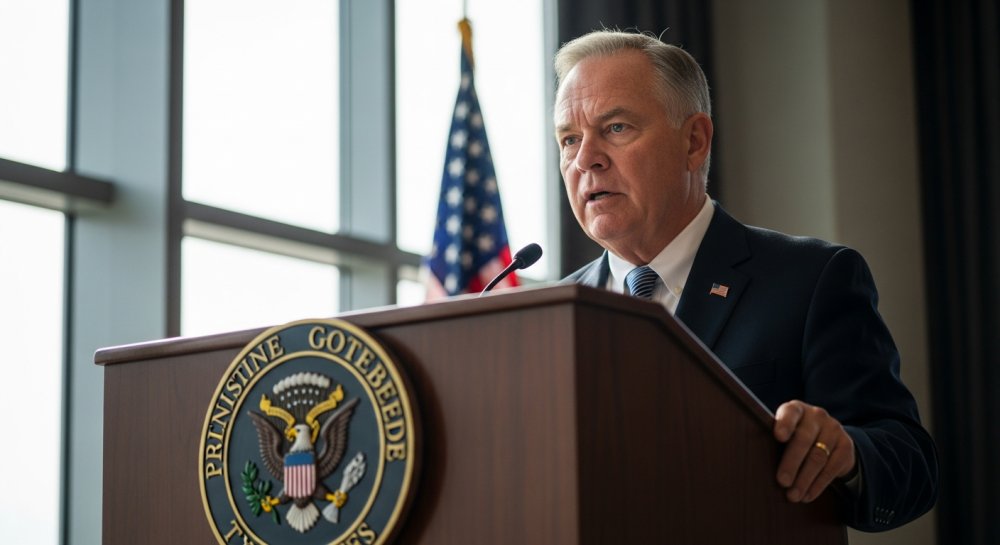
President Donald Trump issued a stern warning Saturday that military action against Iran remains on the table if Tehran continues its destabilizing behavior. The warning comes as both governments have put forward competing proposals aimed at ending a conflict that has crippled global energy markets for more than two months.
“If Iran misbehaves, we will take action,” Trump stated, making clear that American military power stands ready to defend national interests and allies in the region.
The ongoing conflict has already severed a fifth of the world’s oil and gas supplies, sending shockwaves through international markets. American families and businesses face mounting concerns about energy costs as the standoff continues with no clear resolution in sight.
Meanwhile, fierce fighting between Hezbollah and the Israeli Defense Forces in Lebanon has escalated dramatically. In a troubling development, a Christian convent was struck during the clashes, underscoring the dangerous spillover effects threatening religious communities throughout the region.
The strike on the convent represents yet another attack on Christian institutions in the Middle East, where believers have faced increasing persecution and violence. The incident highlights the urgent need for stability and protection of religious minorities caught in the crossfire of regional conflicts.
Both Washington and Tehran have presented proposals to de-escalate the crisis, though substantial gaps remain between the two positions. American officials continue to emphasize that any agreement must ensure Iran cannot threaten American interests or those of our allies, particularly Israel.
The extended disruption to global energy supplies has raised alarm bells among economic experts who warn of potential ripple effects throughout the American economy. Energy independence remains a critical national security priority as the situation unfolds.
Trump’s willingness to use military force if necessary demonstrates a commitment to strength and deterrence in dealing with hostile regimes. The approach stands in stark contrast to previous administrations that critics argue showed weakness in confronting Iranian aggression.
As negotiations continue, the safety of Christians and other religious minorities in the conflict zone remains a serious concern for faith communities worldwide. The attack on the Lebanese convent serves as a sobering reminder of the real human cost of regional instability.
Let us know what you think, please share your thoughts in the comments below.

Faith Facts
- Islamic State West Africa Province terrorists killed at least 12 Christians in a brutal attack on a village in northeastern Nigeria’s Adamawa State
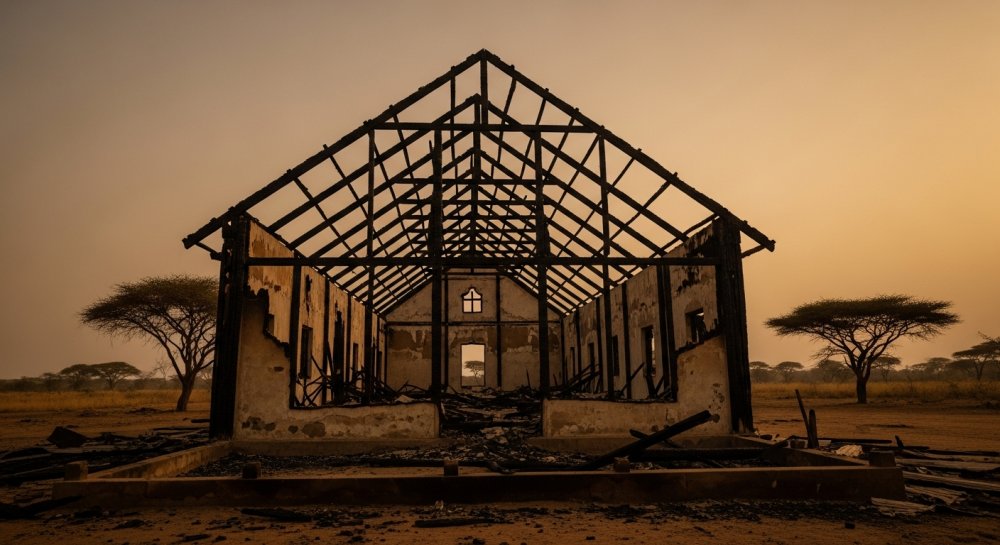
- The attackers burned a church building to the ground during the assault on the Christian community
- International Christian aid organization Barnabas Aid confirmed the details of this latest persecution of Nigerian believers
Christian communities in Nigeria continue to face deadly persecution as Islamic terrorists intensify their campaign of violence against followers of Christ. The Islamic State West Africa Province (ISWAP) carried out a brutal assault on a Christian village in Adamawa State, leaving a trail of destruction and heartbreak in their wake.
At least 12 believers lost their lives in the attack, according to reports from Barnabas Aid, an international Christian aid organization that monitors persecution worldwide. The terrorists didn’t stop at murder—they also torched a church building, destroying a sacred place of worship for the local Christian community.
This horrific incident is part of a disturbing pattern of violence targeting Christians in northeastern Nigeria. The region has become a battleground where faithful believers risk their lives simply for professing their faith in Jesus Christ. Islamic extremist groups like ISWAP have made it their mission to terrorize, displace, and eliminate Christian populations from the area.
The attack in Adamawa State serves as a stark reminder of the persecution our brothers and sisters in Christ face daily in many parts of the world. While Western Christians enjoy religious freedom, believers in Nigeria must live with the constant threat of violence, kidnapping, and death at the hands of radical Islamic terrorists.
ISWAP, an offshoot of Boko Haram, has pledged allegiance to the Islamic State and operates with the goal of establishing an Islamic caliphate in the region. Christian villages and communities remain primary targets for these extremists, who view believers as obstacles to their radical vision.
The destruction of the church building represents more than just property damage—it’s an attack on the very foundation of Christian community life. Churches serve as gathering places for worship, fellowship, and mutual support, especially in regions where believers face constant threats.
This tragedy calls for urgent prayer and support from the global Christian community. Our Nigerian brothers and sisters need our intercession, our advocacy, and our tangible assistance as they continue to stand firm in their faith despite unimaginable challenges.
American Christians must not remain silent in the face of such persecution. We have a moral obligation to speak up for those who cannot speak for themselves and to support organizations working to protect and aid persecuted believers around the world.
Let us know what you think, please share your thoughts in the comments below.
Faith Facts
- Scotland is experiencing significant political, economic, and social challenges after years of SNP governance
- Critical elections this week could determine the direction of the nation’s future
- Failed policy choices have contributed to widespread decline across multiple sectors
Scotland stands at a pivotal moment as voters prepare to cast their ballots in elections that could reshape the nation’s trajectory. After years under Scottish National Party (SNP) governance, the country faces mounting challenges across political, economic, and social spheres.
The decline has been marked by policy failures that have affected everyday Scots. From economic stagnation to social fragmentation, the consequences of misguided governance have become increasingly apparent to citizens across the nation.
This week’s elections represent more than a routine political exercise—they offer an opportunity for course correction. Voters will decide whether to continue down the current path or embrace change that could restore stability and prosperity.
The SNP’s tenure has been characterized by policies that prioritize political ideology over practical governance. Traditional values and institutions that once formed the bedrock of Scottish society have been undermined by progressive experiments that have failed to deliver promised results.
Economic indicators paint a troubling picture. Business growth has stagnated, investment has declined, and opportunities for hardworking families have diminished under policies that discourage enterprise and innovation.
The social fabric of Scotland has also suffered. Communities that once thrived on shared values and mutual support now find themselves divided by policies that emphasize differences rather than common bonds.
For Christians and people of faith in Scotland, the stakes are particularly high. Religious liberty and traditional moral values have faced increasing pressure under current leadership, raising concerns about the future of faith communities in public life.
The elections this week will test whether Scottish voters are ready for new leadership that respects tradition, promotes economic freedom, and honors the values that built their nation. The choice before them is clear: continue the decline or chart a new course toward renewal.
As results come in, observers will be watching to see if Scotland chooses a path that prioritizes family, faith, and freedom—or whether the current trajectory will persist despite mounting evidence of its failures.
Let us know what you think, please share your thoughts in the comments below.
Faith Facts
- Saint Augustine’s University, a historically black Episcopal-affiliated institution in Raleigh, North Carolina, is preparing to file for bankruptcy and cease operations
- The 157-year-old university will end its ongoing fight to maintain accreditation after years of financial struggles
- The closure marks another challenge for faith-based higher education institutions facing mounting economic pressures and declining enrollment
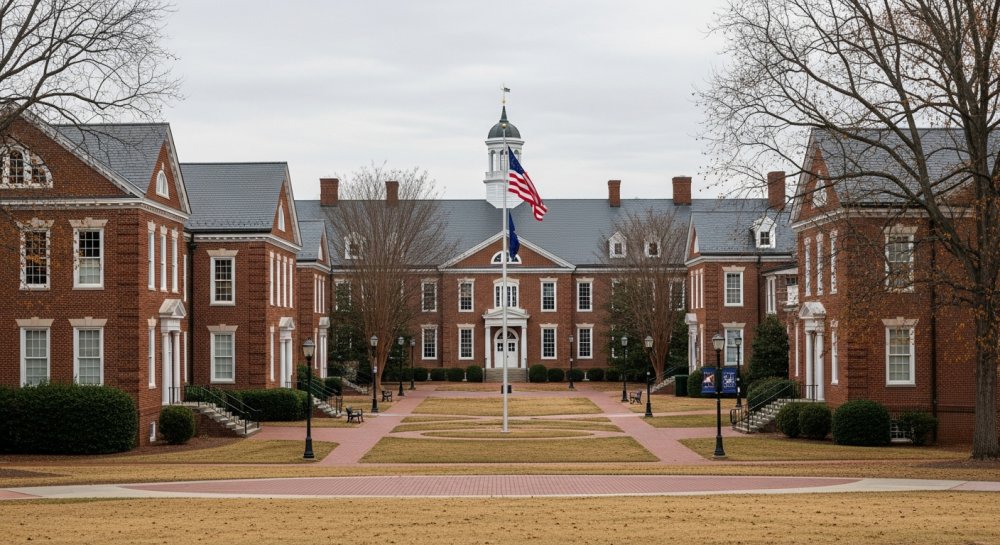
A 157-year-old Christian university with deep roots in The Episcopal Church is preparing to close its doors permanently, marking the end of a storied institution that has served the African American community for more than a century and a half.
Saint Augustine’s University in Raleigh, North Carolina, announced it will file for bankruptcy and abandon efforts to retain its accreditation. The historically black university has been battling financial difficulties that have proven insurmountable despite the institution’s long history of service to students and the broader Christian community.
The decision represents a significant loss for faith-based education in America. Founded in the aftermath of the Civil War, Saint Augustine’s University has been a beacon of Christian higher education, emphasizing both academic excellence and spiritual formation grounded in Episcopal traditions.
The university’s struggles reflect broader challenges facing smaller Christian colleges and universities across the nation. Rising operational costs, declining enrollment numbers, and increased competition from larger institutions have placed enormous pressure on schools that prioritize faith formation alongside academic preparation.
For generations, Saint Augustine’s has provided educational opportunities rooted in Christian values to students who might otherwise have been denied access to higher education. The institution’s commitment to serving the African American community while maintaining its Christian identity has been central to its mission throughout its history.
The loss of accreditation fight signals the institution has exhausted its options for continuing operations. Accreditation is essential for universities to receive federal financial aid, which most students depend on to afford tuition. Without accreditation, enrollment becomes virtually impossible to sustain.
This closure serves as a sobering reminder of the fragile state of many faith-based institutions in modern America. As secular pressures mount and financial challenges intensify, universities committed to Christian education face an increasingly difficult landscape.
The Episcopal Church’s role in founding and supporting historically black institutions represents an important chapter in American Christian history. These schools were established with the explicit purpose of providing education grounded in Christian principles to communities that had been systematically denied such opportunities.
Current students and alumni are facing an uncertain future as the university prepares for closure. Families who chose Saint Augustine’s specifically for its Christian environment and values-based education must now seek alternatives that may not share the same foundational commitments to faith and character formation.
The bankruptcy filing will likely involve the sale of campus assets and the winding down of all academic programs. Students currently enrolled will need to transfer to other institutions to complete their degrees, disrupting their educational journeys and potentially their spiritual formation as well.
This development underscores the importance of supporting Christian higher education institutions that remain committed to their founding missions. As secular ideology increasingly dominates mainstream academia, the preservation of universities that integrate faith with learning becomes ever more critical.
Let us know what you think, please share your thoughts in the comments below.


-

 Self-Reliance1 year ago
Trump’s Bold Move Uncovers Massive Social Security Fraud
-

 Faith1 year ago
New Clues Emerge in Noah’s Ark Mystery
-

 News1 year ago
Governor Walz’s Rhetoric Sparks National Controversy
-

 News1 year ago
Mel Gibson’s ‘The Passion of the Christ’ Sequel Title Announced
-

 Family1 year ago
Texas Lawmaker Targets Furries in Schools
-

 Freedom1 year ago
Maine Lawmaker Challenges Sports Fairness Controversy
-

 Family12 months ago
Canada’s Controversial Policy Sparks Ethical Debate
-
Faith5 months ago
Congress Hears Pleas for Nigerian Christians