
News
America’s Hidden Gem Awaits in Heartland City


Faith Facts
- Kansas City, Kansas offers rich community heritage and traditional American values often overlooked by mainstream culture
- The Kansas side provides authentic heartland experiences centered on family, faith, and local community
- Visitors discover genuine American hospitality rooted in the state’s agricultural and pioneer traditions
For generations, Kansas City has captured the American imagination. But for most travelers, that vision centers squarely on the Missouri side—with its famous barbecue joints, jazz heritage, downtown skyline, and major league sports teams. Yet just across the state line lies a treasure that embodies the authentic heartland values our nation was built upon.
Kansas City, Kansas has long stood in the shadow of its better-known neighbor. Too often dismissed as an afterthought, this community represents something increasingly rare in modern America: genuine small-town values preserved within an urban setting.
The Kansas side offers families an opportunity to experience the real heartland—communities built on faith, hard work, and neighborly bonds that have sustained this nation through every challenge. While the glitz and glamour may lie across the border, the authentic spirit of middle America thrives here.
From historic neighborhoods that recall simpler times to local businesses that still operate on handshake agreements, Kansas City, Kansas reminds us what made America great. These are communities where church steeples still define the skyline, where Friday night football brings towns together, and where traditional values aren’t just talked about—they’re lived.
For Christian conservatives seeking travel destinations that reflect their values, the Kansas side offers a refreshing alternative to the commercialized tourism of larger cities. Here, visitors find the kind of genuine hospitality and community spirit that flows from shared faith and common purpose.
The heartland isn’t just a place—it’s a way of life that honors God, respects tradition, and builds strong communities. Kansas City, Kansas embodies that heritage, waiting to share its story with those willing to look beyond the familiar.
Let us know what you think, please share your thoughts in the comments below.


Faith Facts
- Ambassador Mike Huckabee warned Israeli settlers against seizing Palestinian American properties, calling it a violation of the commandment ‘Thou shalt not steal’
- Huckabee stated that stealing property is ‘a violation of God’s law’ and warned of potential U.S. sanctions
- The former pastor and Arkansas governor is applying biblical principles to diplomatic policy in the West Bank
U.S. Ambassador to Israel Mike Huckabee has issued a stern warning to militant Israeli settlers in the occupied West Bank, grounding his position in biblical law. The former Arkansas governor and Baptist minister made clear that seizing properties owned by Palestinian Americans violates fundamental principles of God’s commandments.
Huckabee invoked the Eighth Commandment in his rebuke of the property seizures, making a direct appeal to biblical authority. His statement represents a rare intersection of scriptural principle and diplomatic policy in one of the Middle East’s most contentious regions.
“Thou shalt not steal,” Huckabee declared, emphasizing that such actions constitute “a violation of God’s law.”
The ambassador’s warning carries significant weight, as he raised the possibility of U.S. sanctions against those responsible for illegally taking property from American citizens. This represents a principled stance that protects the property rights of Americans while acknowledging the biblical foundation for such protections.
Huckabee’s approach reflects his background as a pastor and his long-standing commitment to applying biblical values to governance. His willingness to cite Scripture directly in a diplomatic context demonstrates how faith-based principles can guide policy decisions, even in complex international situations.
The West Bank remains one of the most disputed territories in the Israeli-Palestinian conflict. Huckabee’s position seeks to balance strong U.S.-Israel relations with the protection of American citizens’ property rights and adherence to biblical commandments that transcend political boundaries.
By framing the issue in terms of God’s law rather than purely political considerations, Huckabee has elevated the conversation to one of moral principle. The biblical prohibition against theft applies universally, regardless of the political complexities surrounding the West Bank.
Let us know what you think, please share your thoughts in the comments below.
Faith Facts
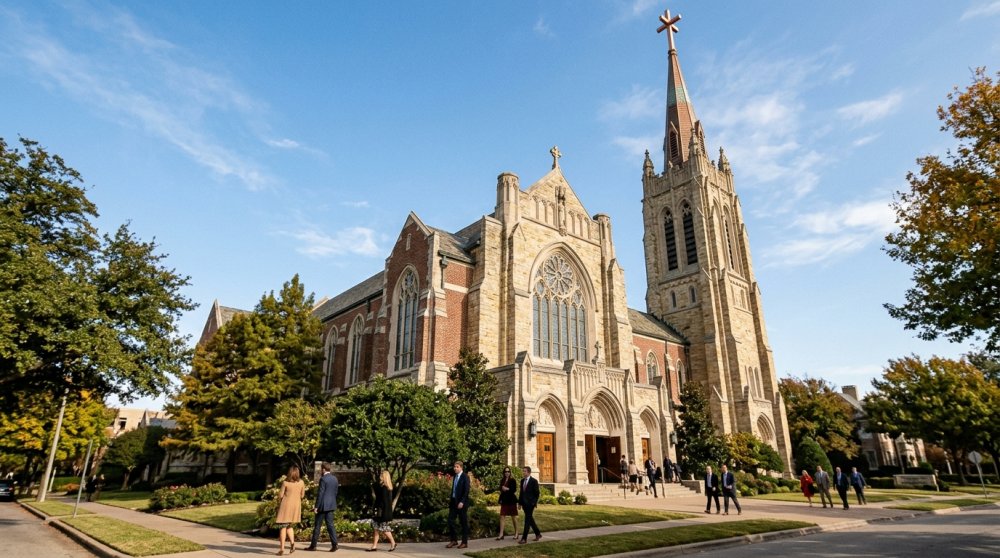
- Highland Park United Methodist Church in Dallas remains in conflict with its regional conference over changes to the church’s governing documents
- The church’s pastor compared the denominational dispute to the biblical story of Cain and Abel, warning against division among brothers
- The standoff reflects broader tensions within the United Methodist Church as congregations navigate theological differences and organizational authority
A prominent Dallas megachurch continues its public dispute with regional United Methodist leadership over fundamental questions of church governance and autonomy. Highland Park United Methodist Church finds itself at odds with the denomination’s regional body as both sides dig in over proposed changes to the congregation’s foundational documents.
The controversy has escalated to the point where the church’s pastor invoked one of Scripture’s most sobering examples of fraternal discord. By comparing the situation to Cain and Abel, the biblical brothers whose relationship ended in tragedy, church leadership signaled the seriousness of the rift and the spiritual stakes involved in the denominational standoff.
The dispute centers on Highland Park UMC’s attempts to modify its governing documents, a move that has drawn resistance from regional conference officials. Such conflicts have become increasingly common within the United Methodist Church as local congregations assert greater independence amid the denomination’s ongoing theological divisions.
For many traditional Christians, the standoff represents a microcosm of larger debates about denominational authority versus congregational autonomy. Churches across America face similar tensions as they balance accountability to broader church structures with responsiveness to their local communities and theological convictions.
The biblical reference to Cain and Abel serves as a powerful reminder of what can happen when brothers in faith allow disagreement to devolve into destructive conflict. The story from Genesis 4 recounts how jealousy and anger led to fratricide, establishing a pattern of division that would plague humanity throughout Scripture and history.
Highland Park United Methodist Church, located in one of Dallas’s most affluent neighborhoods, has long been a influential voice within Texas Methodism. The church’s size and prominence make this dispute particularly significant for observers watching how the United Methodist Church navigates its ongoing realignment.
The United Methodist Church has experienced unprecedented upheaval in recent years as congregations nationwide grapple with fundamental disagreements over biblical interpretation, sexuality, and marriage. Thousands of conservative churches have departed the denomination, seeking to maintain traditional Christian teaching on these issues.
This latest conflict in Dallas demonstrates that even among churches remaining within the UMC, questions of governance and authority continue to generate friction. Regional conferences hold significant power over member churches under Methodist polity, creating potential flashpoints when local congregations seek to chart independent courses.
For Christians committed to biblical authority and traditional doctrine, these disputes often reveal deeper questions about the nature of Christian unity and the proper relationship between individual congregations and denominational structures. Scripture calls believers to both truth and unity, but navigating that balance becomes challenging when fundamental disagreements arise.
The invocation of Cain and Abel suggests Highland Park’s leadership views the dispute as more than mere administrative disagreement. It signals concern that the conflict could inflict lasting damage on relationships and witness, much as Cain’s action forever marked human history with the stain of brother harming brother.
As the standoff continues, both sides face questions about how to pursue their convictions while maintaining Christian charity. The outcome may influence how other UMC congregations approach similar tensions between local autonomy and denominational accountability in an era of widespread church realignment.
Let us know what you think, please share your thoughts in the comments below.
Faith Facts
- Twenty African nations have endorsed a new charter affirming sovereignty over abortion, marriage, and family policy
- The move represents pushback against Western governments and international organizations promoting progressive social policies
- African leaders are defending traditional values and national independence in cultural and moral matters
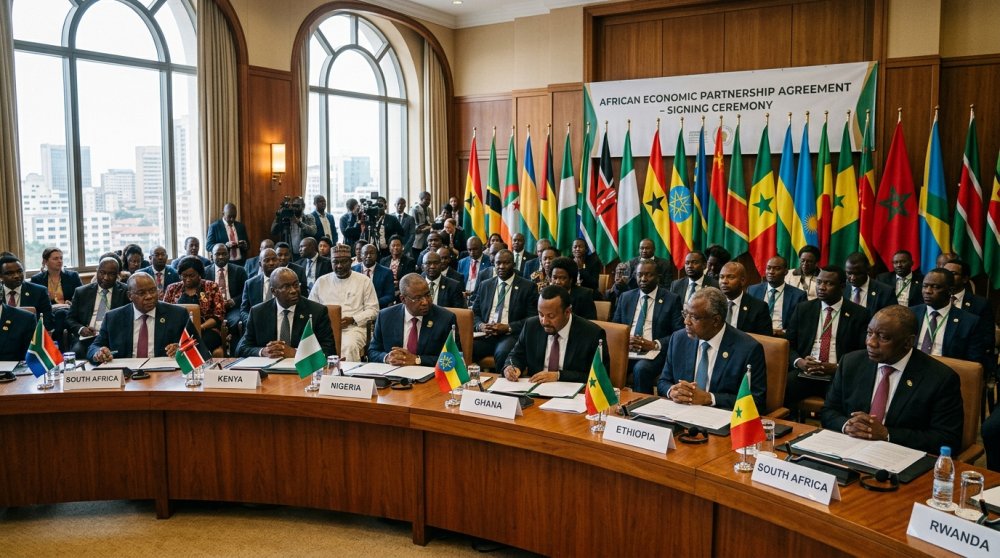
In a powerful display of independence and commitment to traditional values, twenty African countries have united to defend their sovereignty over critical moral and social issues. The nations have endorsed a new charter that firmly establishes their right to determine their own policies on abortion, marriage, and family matters — free from Western interference.
This historic agreement comes as African nations increasingly resist pressure from Western governments and international organizations seeking to impose progressive social agendas. These outside influences have actively promoted abortion access, transgender ideology, and other policies that conflict with the deeply-held Christian and traditional values prevalent across the continent.
The charter represents a significant statement of cultural and moral independence. African leaders are making clear that their nations will not be bullied or coerced into abandoning their foundational beliefs about the sanctity of life, the nature of marriage, and the importance of the family unit.
For years, Western nations and global organizations have used foreign aid, diplomatic pressure, and economic leverage as tools to advance their progressive social agenda in developing countries. African nations have been particular targets of these efforts, with international groups pushing for liberalized abortion laws and LGBT rights as conditions for assistance and partnership.
This coordinated response from twenty African countries signals a turning point in North-South relations. These nations are asserting their right to chart their own course based on their own values, rather than accepting a one-size-fits-all Western worldview that often conflicts with Christian teaching and local cultural norms.
The charter’s focus on sovereignty over abortion policy is particularly significant given the strong pro-life sentiment across much of Africa. Many African nations maintain protective laws for unborn children, reflecting both Christian conviction and traditional respect for life. Western pressure to weaken these protections has been met with growing resistance.
Similarly, the charter’s affirmation of national control over marriage and family policy comes as African nations face mounting pressure to redefine marriage and embrace gender ideology. Most African countries maintain traditional definitions of marriage and reject the notion that gender is fluid or changeable — positions increasingly under attack from Western governments and NGOs.
This development reflects a broader global realignment, with nations in the Global South increasingly willing to stand up for their values against Western cultural imperialism. African Christians, in particular, have been outspoken in defending biblical teaching on marriage, sexuality, and the sanctity of life — often in stark contrast to the direction taken by Western churches and societies.
The unity demonstrated by these twenty nations sends a clear message: African countries will not sacrifice their moral foundations on the altar of Western approval or financial assistance. They are choosing faith, family, and freedom over conformity to a progressive agenda that contradicts their deeply-held beliefs.
As Western nations continue to drift further from traditional Christian values, the moral clarity and courage demonstrated by these African countries offers an encouraging example. They are proving that it is possible to resist global pressure and remain faithful to timeless truths about human dignity, the family, and the proper ordering of society.
Let us know what you think, please share your thoughts in the comments below.


-

 Self-Reliance1 year ago
Trump’s Bold Move Uncovers Massive Social Security Fraud
-

 Faith1 year ago
New Clues Emerge in Noah’s Ark Mystery
-

 News1 year ago
Governor Walz’s Rhetoric Sparks National Controversy
-

 News1 year ago
Mel Gibson’s ‘The Passion of the Christ’ Sequel Title Announced
-

 Family1 year ago
Texas Lawmaker Targets Furries in Schools
-

 Freedom1 year ago
Maine Lawmaker Challenges Sports Fairness Controversy
-

 Family1 year ago
Canada’s Controversial Policy Sparks Ethical Debate
-
Faith9 months ago
Congress Hears Pleas for Nigerian Christians