
Faith
Three Simple Pledges That Changed a Generation of Christian Children

Faith Facts
- Three foundational pledges once shaped the faith and patriotism of Christian children across America
- The pledges to the American flag, the Christian flag, and the Bible formed a daily ritual in many churches and Christian schools
- These simple declarations reinforced allegiance to God, country, and Scripture in the hearts of young believers
As believers grow older, certain memories resurface with renewed meaning and purpose. For many Christian Americans who came of age in traditional church settings, three simple pledges formed the foundation of their early faith formation—declarations that intertwined love of God, love of country, and reverence for Scripture.
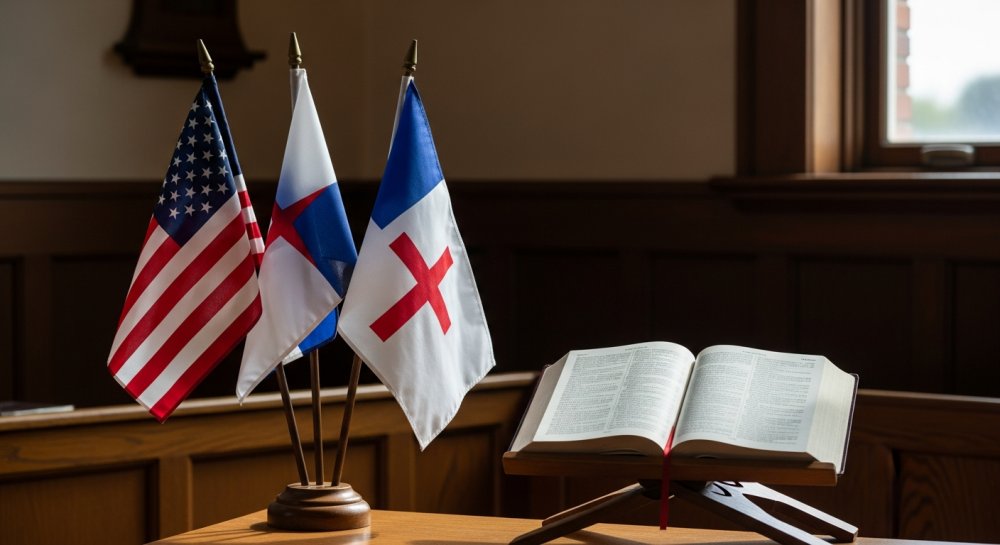
These pledges to the American flag, the Christian flag, and the Bible were once commonplace in Sunday school classrooms, Christian schools, and Vacation Bible School programs across the nation. They represented a holistic approach to raising children who understood their dual citizenship—as Americans and as members of God’s kingdom.
The Pledge of Allegiance to the American flag remains the most widely recognized, affirming commitment to “one nation under God, indivisible, with liberty and justice for all.” This declaration acknowledges America’s founding principles and the divine providence that established this nation.
The Pledge to the Christian flag, less familiar to younger generations, declared: “I pledge allegiance to the Christian flag and to the Savior for whose kingdom it stands. One Savior, crucified, risen, and coming again, with life and liberty for all who believe.” This pledge centered children’s hearts on Christ and His eternal kingdom.
The Pledge to the Bible completed the trio: “I pledge allegiance to the Bible, God’s Holy Word. I will make it a lamp unto my feet and a light unto my path. I will hide its words in my heart that I might not sin against God.” This commitment emphasized Scripture as the ultimate authority for faith and practice.
Together, these three pledges formed a comprehensive framework for Christian discipleship. They taught children to honor their nation while remembering their higher calling, to respect earthly authority while submitting to divine sovereignty, and to value freedom while embracing the truth that sets us free.
In an era when many public institutions have removed God from the classroom and faith from public life, these pledges remind us of a different time—when faith, family, and freedom were openly celebrated together. They represent a heritage worth preserving and passing down to the next generation.
The simple act of reciting these pledges instilled values that shaped character, reinforced biblical truth, and fostered genuine patriotism rooted in gratitude to God. For many believers, these words became more than mere recitation—they became guiding principles that directed life decisions and strengthened faith through challenges.
As American Christians seek to raise children with strong faith foundations in an increasingly secular culture, revisiting these pledges offers a time-tested approach to teaching both spiritual devotion and civic responsibility. They serve as reminders that our allegiance to Christ does not diminish our love for country, but rather calls us to be salt and light within it.
Let us know what you think, please share your thoughts in the comments below.

Faith Facts
- The Church of England distributed more than £100 million to dioceses and mission partners to support evangelism and community outreach.
- A newly published report details the impact of this mission funding across England and international partners.
- The investment underscores the ongoing commitment of the Anglican communion to spreading the Gospel and serving local communities.
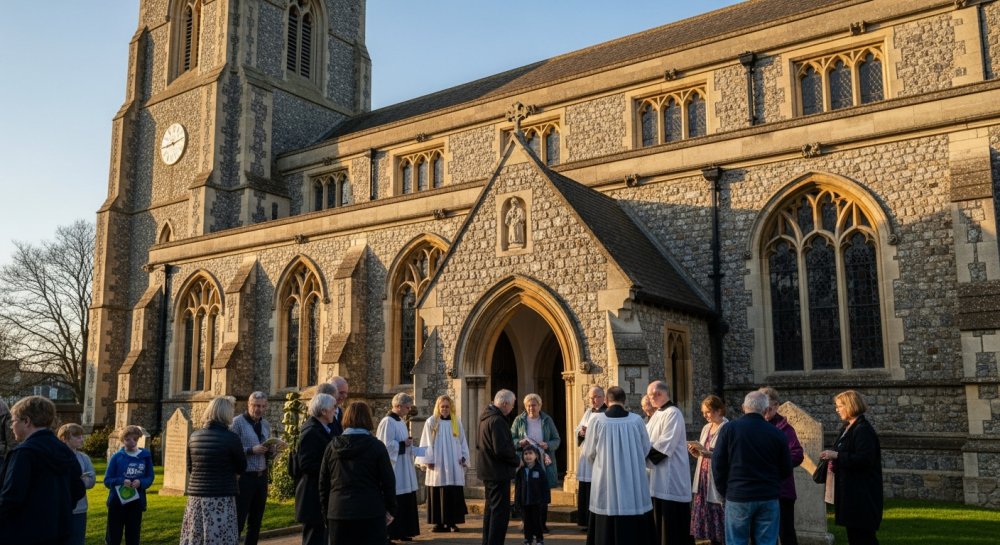
The Church of England has released a comprehensive report documenting the distribution and impact of over £100 million in mission funding allocated to dioceses and mission partners. The significant financial commitment reflects the institution’s dedication to evangelism, community engagement, and international outreach.
According to the report, the funding was directed toward a wide range of mission activities both within England and abroad. Dioceses across the country received support to establish new congregations, revitalize existing parishes, and launch innovative outreach programs aimed at reaching unchurched communities.
The investment also supported international mission partners working in diverse contexts around the world. These partners are engaged in everything from church planting and theological education to humanitarian relief and community development projects that integrate the proclamation of the Gospel with practical service.
Church officials emphasized that the funding represents a strategic effort to fulfill the Great Commission in contemporary settings. The report highlights numerous examples of transformed lives, growing congregations, and strengthened Christian witness in communities that have benefited from the investment.
For traditional Christians and those committed to biblical evangelism, the report offers both encouragement and a model for mission investment. The Church of England’s financial commitment demonstrates that institutional resources can be effectively deployed to advance the kingdom of God when aligned with clear missional priorities.
The detailed accounting provided in the report also reflects a commitment to transparency and stewardship—values deeply rooted in Christian teaching. Donors and church members can see how their contributions are being used to support Gospel proclamation and Christian service in tangible ways.
As churches across denominations consider how to allocate resources in an increasingly secularized culture, the Church of England’s mission funding report provides valuable insights. The scale of investment and the breadth of supported activities illustrate the potential impact when financial resources are intentionally directed toward evangelistic and missional purposes.
Let us know what you think, please share your thoughts in the comments below.
Faith Facts
- Human Rights Without Frontiers reports governmental restrictions on religious freedom in Europe have reached a 20-year high
- A new form of ‘managerial secularism’ is emerging across European governments that seeks to control and regulate religious expression
- The trend marks a dramatic shift away from Europe’s Christian heritage and traditional religious liberties
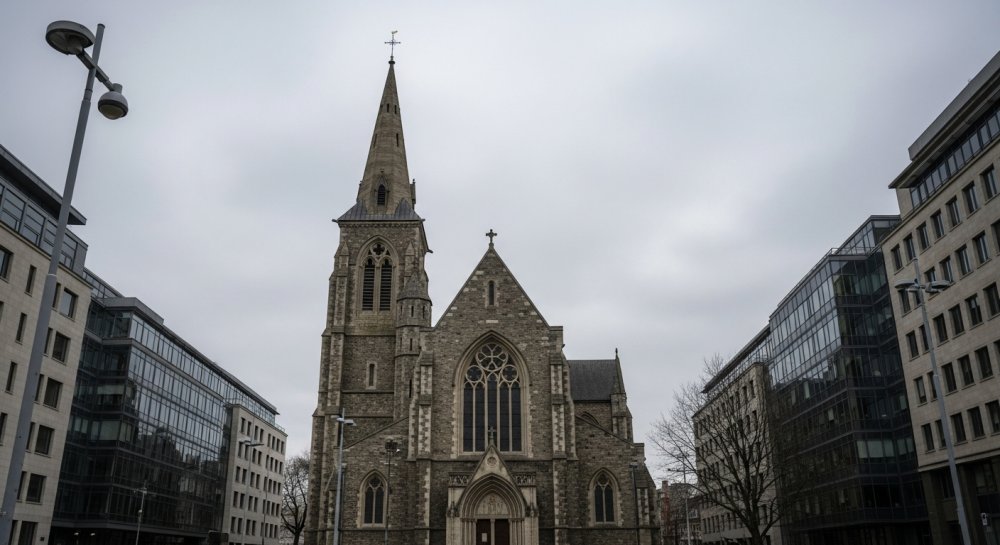
A troubling pattern is emerging across Europe as governments increasingly restrict the freedom of citizens to practice their faith. According to Human Rights Without Frontiers (HRWF), a Brussels-based monitoring organization, governmental restrictions on religious freedom have now reached their highest level in two decades.
The organization warns that a new phenomenon they call “managerial secularism” is becoming commonplace throughout European nations. This approach treats religious practice not as a fundamental human right, but as something to be controlled, regulated, and managed by government bureaucrats.
For Americans who cherish the First Amendment and its protections of religious liberty, these developments across the Atlantic serve as a sobering warning. What begins with bureaucratic oversight can quickly escalate into outright persecution of faith communities.
The rise of managerial secularism represents a fundamental departure from Europe’s Christian roots and the principles that once guided Western civilization. Rather than protecting the free exercise of religion, governments are positioning themselves as arbiters of acceptable religious expression.
This trend affects Christians, Jews, Muslims, and believers of all faiths who seek to live according to their conscience. When governments claim the authority to manage and restrict religious practice, no person of faith is truly safe.
The American model of religious freedom—enshrined in our Constitution and defended throughout our history—stands in stark contrast to this European drift toward state control of faith. Our Founding Fathers understood that religious liberty must be protected from government interference, not subjected to it.
As believers worldwide face increasing pressure to conform to secular mandates that contradict their deeply held convictions, the need for vigilance has never been greater. The erosion of religious freedom rarely happens overnight; it advances gradually through regulations, restrictions, and bureaucratic overreach.
These developments in Europe should remind American Christians of the precious nature of our constitutional protections and the constant need to defend them against those who would diminish religious liberty in the name of progress or tolerance.
Let us know what you think, please share your thoughts in the comments below.

Faith Facts
- Christians have a biblical mandate to minister to those around them, regardless of location or circumstance
- Migration and transition periods present unique opportunities for believers to demonstrate Christ’s love through practical service
- The settled diaspora community holds a kingdom responsibility to support newcomers facing cultural and linguistic challenges
Every believer’s placement in life is ordained with divine purpose. Whether settled in a community for generations or newly arrived, Christians are called to recognize that their current position is no accident—it’s an assignment from God.
Migration, whether involuntary or voluntary, presents some of the most challenging seasons in a person’s life. The journey can be profoundly lonely and overwhelming, particularly when language barriers compound the difficulty of establishing new roots and finding community support.
Christians who have already established themselves within diaspora communities possess a unique and sacred responsibility. Their freedom, stability, and familiarity with local culture position them perfectly to serve as ambassadors of Christ’s love to those just beginning their transition journey.
This kingdom responsibility extends beyond mere charity—it’s about fulfilling the Great Commission in our own backyards. By providing transition support, offering friendship, and helping newcomers navigate unfamiliar systems, settled believers become living testimonies of God’s provision and care.
The practical ministry opportunities are abundant: language assistance, cultural orientation, employment guidance, or simply offering a welcoming smile and patient ear. These acts of service reflect the heart of the Gospel and demonstrate that the body of Christ transcends national boundaries and cultural differences.
When Christians embrace their calling to minister right where they are, powerful kingdom work unfolds. Newcomers find not just survival support, but a spiritual family that helps them thrive.
To God be the glory for positioning His people exactly where they need to be to advance His kingdom and bless those in need.
Let us know what you think, please share your thoughts in the comments below.


-

 Self-Reliance1 year ago
Trump’s Bold Move Uncovers Massive Social Security Fraud
-

 Faith1 year ago
New Clues Emerge in Noah’s Ark Mystery
-

 News1 year ago
Governor Walz’s Rhetoric Sparks National Controversy
-

 News1 year ago
Mel Gibson’s ‘The Passion of the Christ’ Sequel Title Announced
-

 Family1 year ago
Texas Lawmaker Targets Furries in Schools
-

 Freedom1 year ago
Maine Lawmaker Challenges Sports Fairness Controversy
-

 Family12 months ago
Canada’s Controversial Policy Sparks Ethical Debate
-
Faith5 months ago
Congress Hears Pleas for Nigerian Christians