
Faith
Gen Z’s Spiritual Hunger Opens Door for Gospel Witness


Faith Facts
- Many young people today describe themselves as ‘spiritual but not religious,’ seeking meaning through practices like prayer to ‘the universe’ rather than traditional Christian faith
- This widespread spiritual openness among Generation Z represents a significant evangelism opportunity for Christian witness and gospel conversations
- Understanding Gen Z’s spiritual language and practices is essential for effectively sharing the truth of Jesus Christ with this searching generation
A growing number of young Americans describe themselves as spiritual seekers, yet many have never encountered the transformative message of Jesus Christ. This presents both a challenge and an unprecedented opportunity for Christian believers committed to sharing the gospel.
When one believer’s friend revealed she “prayed to the universe,” it highlighted a critical gap in modern evangelism. Generation Z’s spiritual hunger is real—but it’s often misdirected toward vague concepts rather than the living God.
The so-called “Quiet Revival” may not have materialized as many hoped, but the underlying spiritual openness among young people remains undeniable. Rather than dismissing this generation’s search for meaning, faithful Christians must learn to speak their language while pointing them toward biblical truth.
Today’s young adults engage with spirituality through meditation apps, astrology, manifestation practices, and eclectic belief systems. While these pursuits fall short of genuine faith in Christ, they reveal an earnest desire for transcendence and purpose that secular materialism cannot satisfy.
The key to reaching this generation lies in understanding their spiritual vocabulary without compromising the exclusivity of the gospel message. When a young person says they’re “spiritual,” they’re often expressing dissatisfaction with empty religiosity and hunger for authentic encounters with the divine.
Christians can build bridges by acknowledging this spiritual yearning while gently redirecting it toward the One who truly satisfies. The emptiness of praying to an impersonal “universe” becomes apparent when contrasted with a personal relationship with Jesus Christ who hears, loves, and responds.
Effective evangelism to Gen Z requires patience, genuine relationship, and willingness to engage with their questions. This generation values authenticity over institutional authority and personal testimony over abstract theological arguments.
Rather than condemning their spiritual experimentation, believers should view it as evidence of the God-shaped vacuum in every human heart. This longing for connection with something greater than themselves is exactly what Scripture describes—and what only Christ can fulfill.
The mission field is ripe among young people who have rejected traditional church structures but remain spiritually hungry. By meeting them where they are and speaking truth in love, Christians can guide this searching generation from vague spirituality to saving faith in Jesus Christ.
In an age of religious decline, Gen Z’s spiritual openness is a gift from God—an open door for gospel witness that faithful believers must not squander through dismissiveness or irrelevance.
Let us know what you think, please share your thoughts in the comments below.

Faith Facts
- UK Prime Minister Keir Starmer is facing calls to resign following poor local election results
- Christian MP Tim Farron urges believers to engage in politics through prayer and participation
- The political turmoil highlights the need for Christian involvement in public service
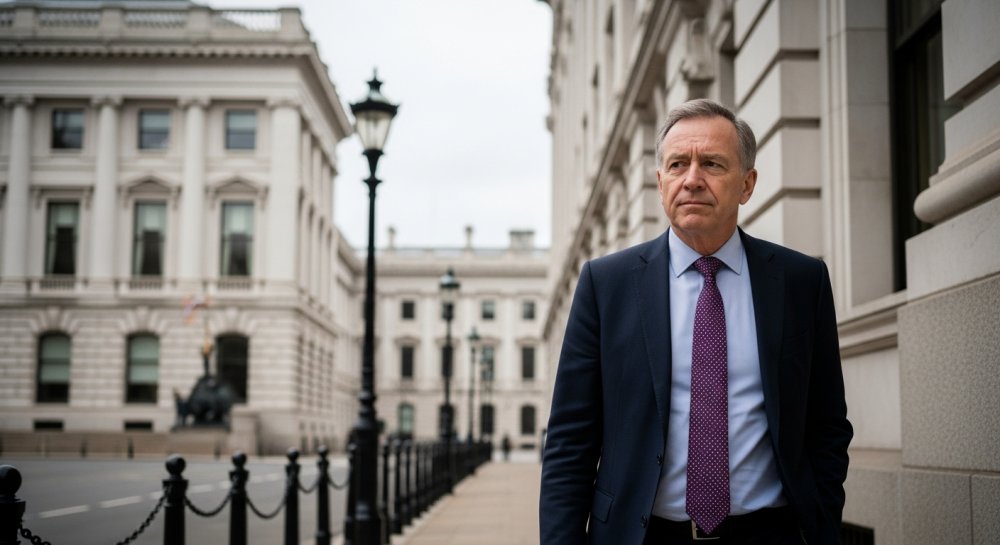
Britain’s political landscape is experiencing significant upheaval as Prime Minister Keir Starmer confronts mounting pressure to resign in the wake of disappointing local election results. The situation underscores the fragile state of contemporary politics and the urgent need for people of faith to engage in civic life.
Tim Farron, a Member of Parliament known for his Christian faith, is calling on believers to respond to the current political crisis not with withdrawal, but with increased engagement. His message comes at a critical juncture when the nation’s leadership faces unprecedented challenges and scrutiny.
The recent local elections have revealed deep divisions within the British electorate, creating what Farron describes as a precarious political environment. Rather than viewing this turmoil solely through a partisan lens, he encourages Christians to see it as a call to action—whether through prayer, public service, or supporting elected officials regardless of party affiliation.
“Christians need to get involved – whether that’s standing for election or praying for and encouraging their local representatives, whatever colour rosette they wear,” Farron stated, emphasizing the nonpartisan nature of Christian civic duty.
The call for prayer and political engagement reflects a growing recognition among faith leaders that believers have both a spiritual and civic responsibility to participate in governance. This perspective aligns with the biblical mandate to pray for those in authority and to seek the welfare of the communities where believers live.
Farron’s appeal comes as Starmer navigates one of the most difficult periods of his premiership. The Labour leader’s challenges extend beyond electoral setbacks, encompassing broader questions about the direction of British politics and the values that should guide national leadership.
For Christians observing the situation, the current crisis presents an opportunity to demonstrate the transformative power of prayer and principled engagement. Rather than viewing political opponents as enemies, believers are encouraged to see them as fellow image-bearers of God who need wisdom, strength, and divine guidance.
The emphasis on prayer particularly resonates with conservative Christians who understand that lasting political change begins with spiritual transformation. While electoral victories and policy debates matter, the foundation of a healthy society rests on the moral and spiritual character of its leaders and citizens.
Farron’s message also challenges the common Christian tendency to retreat from politics when it becomes contentious or discouraging. Instead, he advocates for sustained engagement rooted in faith, calling believers to be salt and light in the public square regardless of political headwinds.
The situation in Britain offers lessons for American Christians as well. In both nations, believers face the question of how to navigate increasingly polarized political environments while maintaining their witness and values. The answer, according to leaders like Farron, lies not in disengagement but in prayerful, principled participation.
As Starmer faces this pivotal moment in his leadership, Christians on both sides of the Atlantic are reminded that political leaders—regardless of party or ideology—carry tremendous burdens and need the prayers of faithful citizens. This perspective doesn’t require agreement with every policy position, but it does demand a recognition of the weight of leadership and the human need for divine wisdom.
The broader implications of Britain’s political turmoil extend beyond one leader or one election cycle. They point to the essential role that people of faith must play in preserving democratic institutions and promoting the common good. Whether through direct political service, advocacy for biblical values, or faithful prayer, Christians have a unique contribution to make.
The call to prayer for political leaders is not a retreat from accountability or engagement with policy differences. Rather, it reflects a mature understanding that political problems often have spiritual roots and that sustainable solutions require more than partisan maneuvering.
Let us know what you think, please share your thoughts in the comments below.

Faith Facts
- The manosphere has become a primary source of identity formation for emotionally displaced young men seeking purpose and direction
- Churches are failing to provide the deep relational discipleship model that Jesus demonstrated with His disciples
- Christian leaders must intentionally invest in mentoring young men through authentic relationships grounded in biblical love, not cultural fear
America’s young men are in crisis, and the Church’s response has been inadequate. While secular influencers in the so-called “manosphere” offer guidance—however flawed—many churches have abandoned the biblical model of discipleship that once shaped generations of godly men.
Jody Goldsworthy highlights a troubling reality: emotionally displaced boys are finding refuge in online communities that offer structure, purpose, and identity. These digital spaces fill a void that should be occupied by the local church and mature Christian men willing to invest in the next generation.
The solution isn’t complicated, but it requires sacrifice. Jesus modeled discipleship through deep, intentional relationships with His disciples. He didn’t lecture from a distance—He lived alongside them, corrected them with love, and demonstrated what godly manhood looks like in practice.
Today’s churches must recover this relational approach. Young men need mentors who will walk with them through life’s challenges, teaching them to lead their families, serve their communities, and stand firm in their faith. They need to see Christianity lived out authentically, not just preached from a pulpit.
The manosphere offers young men a counterfeit vision of masculinity—one often rooted in self-interest, dominance, and fear. The Church must counter this with the biblical vision: men who love sacrificially, lead humbly, and find their identity in Christ rather than cultural trends or online personalities.
This isn’t about competing with social media influencers. It’s about faithfulness to the Great Commission. Every generation of Christians is responsible for discipling the next, and American churches cannot afford to outsource this calling to secular voices that lack the truth of the Gospel.
The stakes are high. Young men who lack biblical mentorship often struggle with purpose, identity, and direction. They’re vulnerable to ideologies that promise strength but deliver emptiness. The Church has both the mandate and the resources to reach them—if Christian men will step up and invest the time.
Churches should create intentional discipleship programs that pair mature believers with younger men. Small groups, one-on-one mentoring, and service opportunities provide contexts where authentic relationships can form and biblical wisdom can be passed down naturally.
This work requires patience and commitment. Discipleship isn’t a six-week program—it’s a lifestyle of pouring into others as Christ poured into us. It means being available, vulnerable, and consistent, even when progress seems slow.
The alternative is unacceptable. If the Church abdicates its responsibility to disciple young men, other voices will gladly fill the void. And those voices are already speaking—loudly and persuasively—to a generation hungry for purpose and belonging.
America needs Christian men who are equipped, grounded, and passionate about their faith. The Church must rise to this moment, recovering the discipleship model that Jesus Himself established and that has sustained the faith for two millennia.
Let us know what you think, please share your thoughts in the comments below.
Faith Facts
- Recent British elections reveal widespread public distrust in political systems and elected officials
- Christian churches are uniquely positioned to bridge the growing divide between citizens and government representatives
- Scripture commands believers to pray for those in authority, regardless of political affiliation
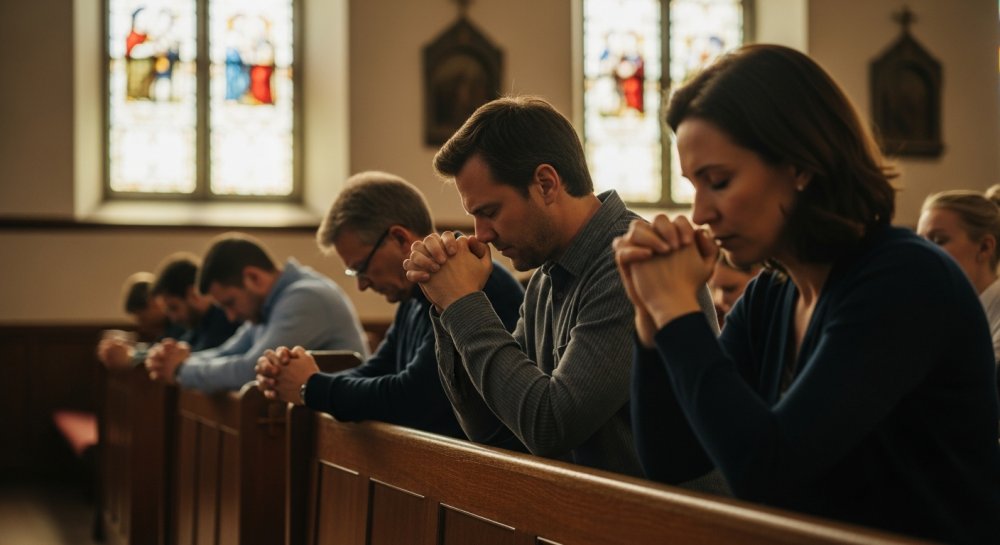
The recent elections across Britain have exposed a troubling reality: citizens have lost confidence in both their political system and the individuals who seek to lead them. The fragmentation now evident in British politics reflects a deeper crisis of trust that threatens the fabric of civil society.
For Christians, this moment presents both a challenge and an opportunity. Rather than retreating into cynicism or partisan division, churches must lead by example in restoring the sacred trust between governed and governing.
The Biblical mandate is clear and unambiguous. Believers are called to pray for those in authority, to seek the welfare of their communities, and to model the kind of civic engagement that transcends political tribalism. This isn’t merely a suggestion—it’s a command rooted in Scripture that acknowledges God’s sovereignty over human institutions.
Churches that embrace this calling can become powerful agents of reconciliation. By publicly supporting and praying for elected representatives—regardless of party affiliation—congregations demonstrate a higher loyalty that values people over politics. This witness speaks volumes in an age of bitter partisanship and mutual contempt.
The practice of praying for leaders also transforms the hearts of believers themselves. It’s difficult to demonize someone you’re praying for regularly. It cultivates humility, compassion, and a recognition that all leaders face enormous pressures and complex decisions that deserve our intercession rather than our scorn.
Many elected officials carry heavy burdens with little encouragement. They face constant criticism, impossible expectations, and relentless scrutiny. A church that reaches out with genuine support—offering prayer, encouragement, and pastoral care—can provide a lifeline in the midst of overwhelming demands.
This doesn’t mean churches should abandon their prophetic voice or fail to hold leaders accountable. Faithful prayer and biblical critique can coexist. In fact, those who pray most earnestly for their leaders are often best equipped to speak truth with both conviction and grace.
The current political fragmentation will not be solved by another election cycle or a new slate of candidates. What’s needed is a fundamental renewal of trust—and that begins with the people of God modeling a different way of engaging with those in authority.
Churches that make this commitment will discover unexpected opportunities. Elected representatives who feel genuinely supported and prayed for are often more open to conversation, more willing to listen to concerns, and more receptive to the values that shape Christian perspectives on public policy.
The path forward requires intentionality. Churches should identify their local representatives, reach out personally, offer regular prayer support, and create opportunities for dialogue. This investment in relationship-building pays dividends that extend far beyond any single policy debate.
In an era of declining institutional trust, the church has a unique opportunity to demonstrate what faithful citizenship looks like. By supporting and praying for elected representatives, congregations bear witness to a kingdom that transcends earthly politics while taking seriously the call to seek the common good.
Let us know what you think, please share your thoughts in the comments below.


-

 Self-Reliance1 year ago
Trump’s Bold Move Uncovers Massive Social Security Fraud
-

 Faith1 year ago
New Clues Emerge in Noah’s Ark Mystery
-

 News1 year ago
Governor Walz’s Rhetoric Sparks National Controversy
-

 News1 year ago
Mel Gibson’s ‘The Passion of the Christ’ Sequel Title Announced
-

 Family1 year ago
Texas Lawmaker Targets Furries in Schools
-

 Freedom1 year ago
Maine Lawmaker Challenges Sports Fairness Controversy
-

 Family12 months ago
Canada’s Controversial Policy Sparks Ethical Debate
-
Faith6 months ago
Congress Hears Pleas for Nigerian Christians