
Freedom
Supreme Court Delivers Unanimous Victory for Pro-Life Donors’ Privacy

Faith Facts
- The U.S. Supreme Court ruled unanimously in favor of a pro-life pregnancy care center, protecting the privacy of charitable donors from government overreach.
- New Jersey officials attempted to force the ministry to disclose confidential donor records through a broad subpoena.
- The ruling reinforces First Amendment protections for religious and charitable organizations across America.
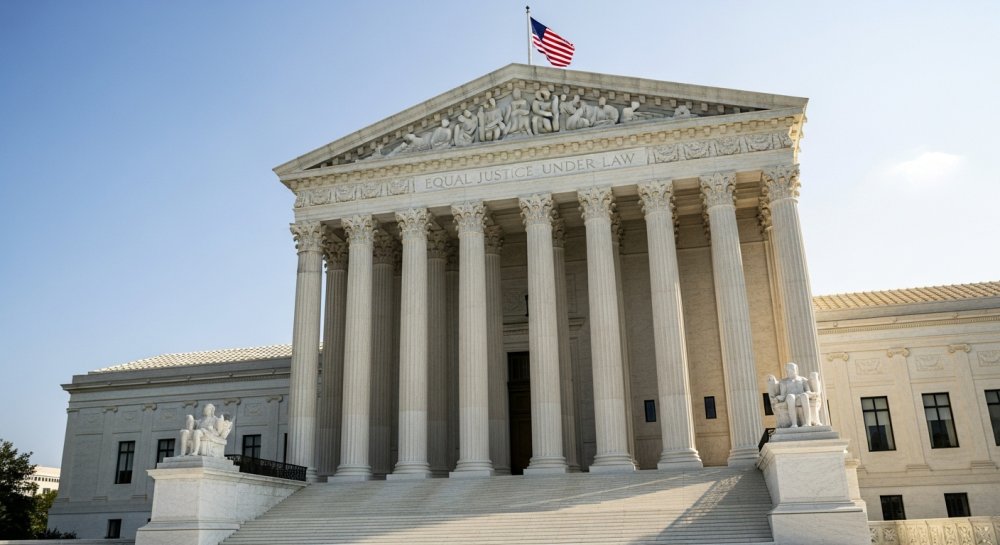
In a significant win for religious liberty and donor privacy, the United States Supreme Court has unanimously sided with a pro-life pregnancy care center that refused to hand over confidential donor information to New Jersey state officials. The decision marks an important safeguard for faith-based ministries and charitable organizations nationwide.
The case centered on New Jersey’s attempt to compel a Christian pro-life organization to disclose the names and personal information of its financial supporters. State officials issued a sweeping subpoena demanding donor records as part of what they characterized as a routine investigation.
The pregnancy care center, which provides life-affirming support to women facing unplanned pregnancies, challenged the demand on constitutional grounds. The organization argued that forced disclosure of donor information violates the First Amendment rights of both the ministry and its supporters, potentially exposing them to harassment and retaliation.
All nine justices agreed that New Jersey’s actions were improper. The Court recognized that charitable donors have a constitutional right to privacy in their support of causes they believe in, particularly when those causes involve matters of faith and deeply held moral convictions.
This unanimous decision sends a clear message to state governments across the country: they cannot use their regulatory power to intimidate or expose supporters of Christian ministries and conservative causes. The ruling provides critical protection for Americans who financially support organizations working to defend the sanctity of life.
Pro-life advocates are celebrating the decision as a victory not just for this particular pregnancy center, but for the broader movement to protect unborn children and support mothers in crisis. The decision ensures that donors can continue supporting life-affirming work without fear of government intrusion or public exposure.
The case highlights ongoing tensions between progressive state governments and faith-based organizations, particularly those involved in the pro-life movement. States like New Jersey have increasingly sought to scrutinize and regulate crisis pregnancy centers, which provide alternatives to abortion through counseling, material support, and adoption referrals.
Constitutional scholars note that the Supreme Court’s unanimous ruling strengthens precedents protecting associational privacy and religious freedom. The decision affirms that Americans retain the right to support causes aligned with their Christian values without government surveillance or interference.
Legal experts believe this ruling will have far-reaching implications beyond the pro-life movement, offering protections to churches, ministries, and conservative advocacy groups that face similar demands from hostile government officials. The precedent established could deter future attempts to weaponize disclosure requirements against faith-based organizations.
For the pregnancy care center at the heart of this case, the victory means they can continue their life-saving work without compromising the trust of their donors. These centers rely on the generosity of faithful Christians who believe in protecting innocent life and providing compassionate care to women.
The ruling comes at a crucial time as pro-life organizations face increased scrutiny and opposition following recent shifts in abortion law. With the protection of donor privacy now firmly established by the nation’s highest court, these ministries can operate with greater confidence and security.
Let us know what you think, please share your thoughts in the comments below.

Faith Facts
- A 75-year-old grandmother was cleared of all charges after being arrested for standing in a Scotland abortion clinic ‘buffer zone’ with a sign offering conversation
- The judge dismissed criminal charges, calling into question the enforcement of ‘buffer zone’ laws that restrict peaceful pro-life witness
- The case highlights growing concerns about religious freedom and free speech restrictions in countries with abortion clinic buffer zones
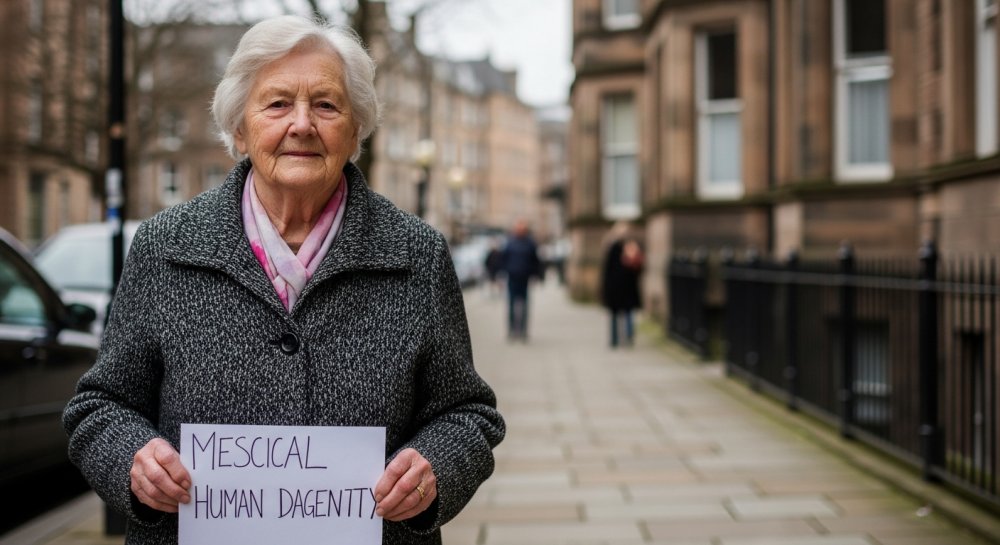
A Scottish judge has dismissed charges against a 75-year-old grandmother who was arrested simply for standing near an abortion clinic with a sign offering to talk. The ruling, delivered Monday, represents a significant moment in the ongoing battle over buffer zone laws that increasingly restrict the rights of pro-life Americans and Christians to peacefully witness to the sanctity of life.
The grandmother had been charged with a criminal offense for her presence in what Scotland designates as an abortion clinic “buffer zone” — areas where pro-life activity, including peaceful prayer and offers of assistance, are prohibited. Her sign merely offered “consensual conversation,” reflecting the compassionate outreach that has characterized the pro-life movement for decades.
These so-called buffer zones have become a preferred tool of abortion advocates seeking to silence voices of hope and alternatives outside facilities where unborn children’s lives are ended. Rather than protecting women, these zones often prevent them from hearing about resources, support, and options they desperately need in crisis moments.
The judge’s decision to clear all charges against the grandmother sends an important message about the fundamental rights to free speech and religious expression. For Christians who believe every life has inherent dignity and worth, the ability to peacefully offer help and hope is not just a legal right but a moral calling.
Buffer zone laws continue to spread across Western nations, with advocates claiming they’re necessary to protect clinic access. However, pro-life supporters argue these laws solve a problem that doesn’t exist while trampling on constitutional rights. Peaceful sidewalk counselors have helped countless women choose life for their babies, connecting them with practical resources like housing, medical care, and adoption services.
The case in Scotland should concern all Americans who value religious liberty and free speech. What happens in other English-speaking democracies often foreshadows battles that will eventually reach our shores. Pro-abortion activists in the United States have repeatedly pushed for similar buffer zones, even after the Supreme Court struck down Massachusetts’ 35-foot buffer zone law in 2014.
This grandmother’s vindication reminds us that standing for life — even when it means facing arrest — remains a vital witness in our culture. Her courage reflects the conviction that saving even one child, helping even one mother, is worth whatever personal cost we might bear.
As buffer zone laws proliferate globally, Christians must remain vigilant in defending both the unborn and the freedoms that allow us to advocate for them. The right to peacefully offer life-affirming alternatives outside abortion clinics represents the intersection of religious freedom, free speech, and the defense of innocent life.
Let us know what you think, please share your thoughts in the comments below.
Faith Facts
- The United Kingdom is moving away from robust free speech protections that traditionally safeguarded Christian expression
- King Charles recently visited the White House, symbolizing the historic ‘special relationship’ between the U.S. and UK
- Growing restrictions on Christian speech in Britain could threaten the centuries-old alliance between the two nations
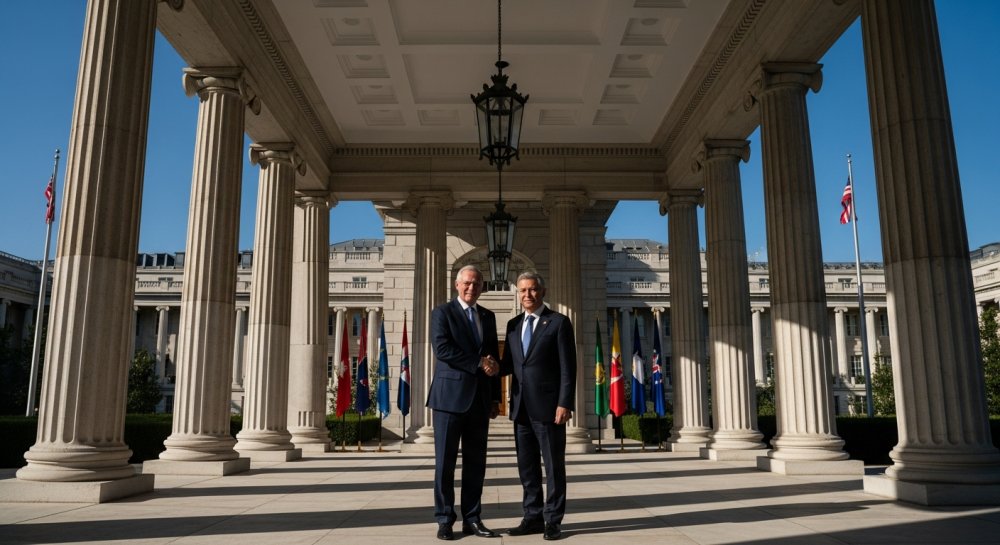
For centuries, Britain and America have stood together as allies, bound by shared values and a commitment to liberty. King Charles’ recent visit to the White House reminded the world of this enduring partnership, often called the “special relationship.”
But beneath the pageantry and diplomatic pleasantries, a troubling divide is emerging. As the United Kingdom moves further away from protecting free speech—especially for Christians—that historic bond may be at risk.
The very foundation of our alliance with Britain has always rested on shared principles: the rule of law, individual liberty, and the protection of conscience. These are not abstract concepts.
They are the bedrock of both nations’ identities. Yet today, British authorities increasingly treat Christian expression as something to be regulated, restricted, or even criminalized.
Street preachers arrested for quoting Scripture. Pro-life advocates prosecuted for silent prayer near abortion facilities. Christians facing professional consequences for expressing biblical views on marriage and sexuality.
These are not isolated incidents. They represent a troubling pattern that should concern every American who values religious freedom.
Our Founders fled religious persecution in Europe to establish a nation where faith could flourish freely. The First Amendment wasn’t an afterthought—it was the first priority. Freedom of speech and the free exercise of religion were enshrined as foundational rights, not government-granted privileges.
Britain once understood this. The Magna Carta, the English Bill of Rights, and centuries of common law tradition influenced our own Constitution. But somewhere along the way, the UK began to drift from these moorings.
Today, “hate speech” laws and “public order” offenses are weaponized against Christians who dare to express traditional beliefs in public. The very same faith that shaped Western civilization is now treated as a threat to public order in the land that gave us the King James Bible.
This shift has profound implications for the U.S.-UK relationship. Americans will not—and should not—maintain special ties with a nation that persecutes people of faith. Our values are not negotiable.
Religious liberty is not a cultural preference or a political position. It is a God-given right that governments are duty-bound to protect.
The Biden administration may have overlooked these concerns, but a new generation of American leaders is watching closely. They understand that true allies share not just strategic interests, but fundamental values. If Britain continues down this path, treating Christian speech as something to be suppressed rather than celebrated, the special relationship will become increasingly difficult to justify.
This is not about forcing British law to mirror American law. Every nation has the right to chart its own course. But when a supposed ally begins to criminalize the very freedoms that define our identity as Americans, we must ask hard questions about the nature of that alliance.
The United States has long been a beacon of religious freedom to the world. We have welcomed refugees fleeing religious persecution, championed international religious liberty, and stood with believers facing oppression. We cannot remain silent when Christians in our closest ally face growing restrictions on their faith.
King Charles’ visit may have showcased the pomp and ceremony of the special relationship, but symbolism alone cannot sustain an alliance. Shared values must be more than rhetoric—they must be lived out in law and practice.
As Britain moves further from its heritage of liberty, American policymakers, faith leaders, and citizens must speak clearly: religious freedom is non-negotiable. If our British friends wish to maintain the special relationship, they must honor the rights of Christians to live and speak according to their beliefs.
The choice is Britain’s to make. But Americans should be clear about where we stand. Our alliance has always been built on more than mutual convenience—it has been rooted in shared principles of freedom and faith. Without those foundations, the special relationship cannot hold.
Let us know what you think, please share your thoughts in the comments below.

Faith Facts
- Malvern St James School has provided a faith-based education for over 100 years.
- Estimates suggest that up to 100 independent schools have faced closure due to the new VAT policy.
- Christian legal advocates argue these taxes infringe on the right of parents to shape their children’s moral upbringing.
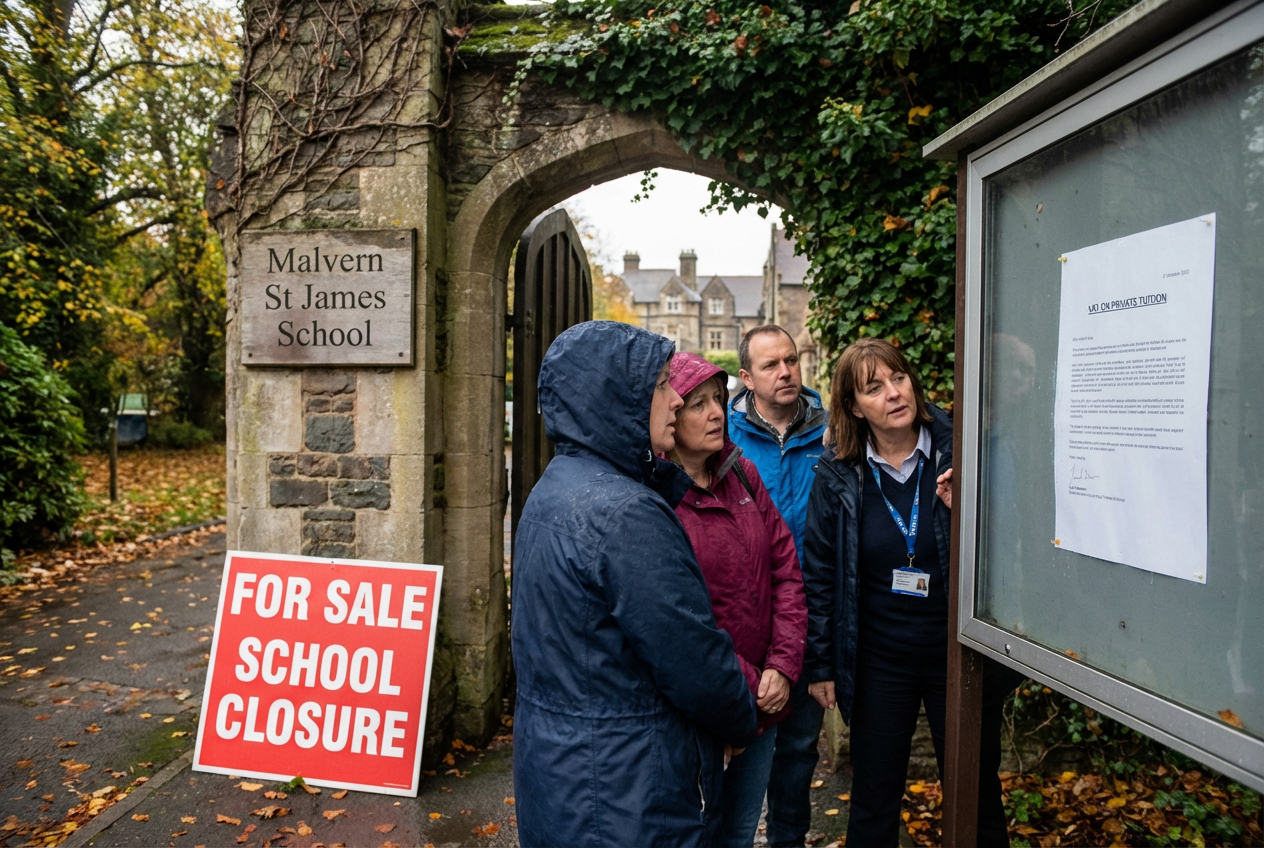
Malvern St James School, a Christian institution with over a century of history, is facing closure due to the government’s heavy-handed tax policies. The school’s leadership cited Labour’s controversial VAT on private tuition and rising employment costs as primary drivers for the difficult decision.
Economic Pressure on Faith Education
While elite institutions may weather this financial storm, smaller Christian schools that serve working families are being pushed toward extinction. This policy has been described as ideological vandalism that prioritizes government control over educational diversity and religious freedom.
“Through this and other measures, the government is making it increasingly difficult for parents to shape their children’s education.”
The Christian Legal Centre warns that centralizing control over schooling allows the state to exert undue influence over the next generation. We must pray for the families and staff impacted by these closures as they seek to protect the future of Christian education.


-

 Self-Reliance1 year ago
Trump’s Bold Move Uncovers Massive Social Security Fraud
-

 Faith1 year ago
New Clues Emerge in Noah’s Ark Mystery
-

 News1 year ago
Governor Walz’s Rhetoric Sparks National Controversy
-

 News1 year ago
Mel Gibson’s ‘The Passion of the Christ’ Sequel Title Announced
-

 Family1 year ago
Texas Lawmaker Targets Furries in Schools
-

 Freedom1 year ago
Maine Lawmaker Challenges Sports Fairness Controversy
-

 Family11 months ago
Canada’s Controversial Policy Sparks Ethical Debate
-
Faith5 months ago
Congress Hears Pleas for Nigerian Christians