
Faith
Liberal Denomination Confronts Exodus of Financial Support

Faith Facts
- The Presbyterian Church (USA) conducted an internal review examining why members have stopped financial giving to the denomination
- The mainline liberal denomination has faced ongoing membership and financial challenges in recent years
- The report represents an acknowledgment of significant donor concerns within the PCUSA
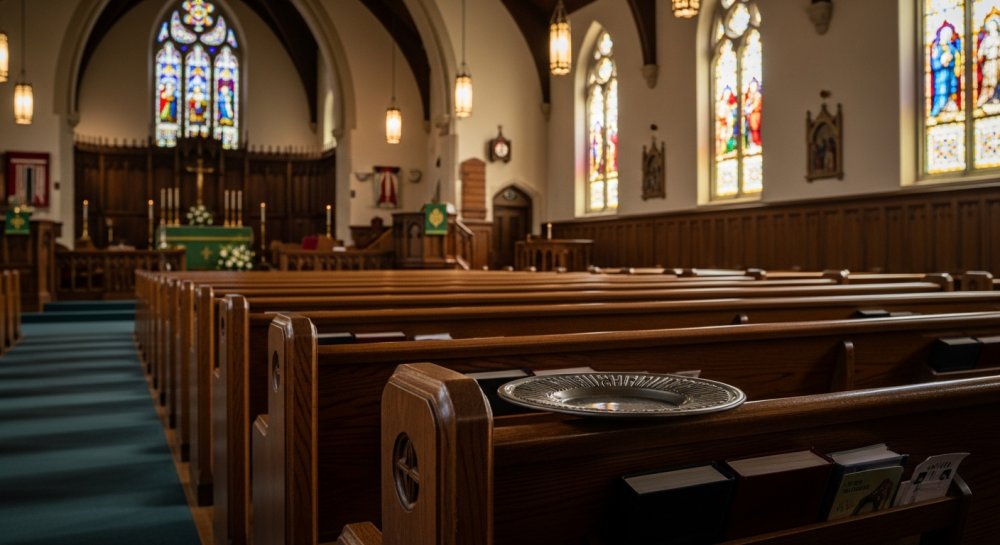
The Presbyterian Church (USA) is grappling with a sobering reality as members increasingly withdraw financial support from the liberal mainline denomination. A recently reviewed report sheds light on the reasons behind this troubling trend for the PCUSA.
The denomination, which has embraced progressive theological positions in recent decades, is now confronting the financial consequences of its direction. The internal examination reveals growing discontent among the faithful who once sustained the church with their tithes and offerings.
This development comes as many mainline Protestant denominations face declining membership and financial instability. The PCUSA has been particularly affected by theological controversies that have divided congregations and driven traditionalist members to seek fellowship elsewhere.
The report’s findings underscore a larger pattern within American Christianity, where believers increasingly direct their giving toward churches and ministries that align with biblical teaching and traditional Christian values. Many faithful Christians have grown concerned about denominations that prioritize social justice activism over gospel proclamation.
Financial giving serves as a barometer of congregational health and member confidence in church leadership. When giving declines, it often signals deeper issues related to trust, theological alignment, and spiritual vitality within the body of believers.
The PCUSA’s willingness to examine this exodus of financial support represents a necessary, if uncomfortable, reckoning with the consequences of its theological trajectory. Whether the denomination will respond with meaningful change or continue its current course remains to be seen.
For conservative Christians, this situation serves as a reminder of the importance of supporting churches and ministries that remain faithful to Scripture and uphold biblical authority. Stewardship involves not just the amount we give, but ensuring our resources advance God’s kingdom purposes.
Let us know what you think, please share your thoughts in the comments below.

Faith Facts
- Christian rights organizations in Pakistan are demanding constitutional reforms to protect religious minorities, women, and children in the proposed 28th Constitutional Amendment Bill
- Christian leaders are calling for equal representation in government, including seats in the Senate and proportional representation in provincial assemblies
- The reforms seek to address ongoing persecution and discrimination against Pakistan’s vulnerable Christian population
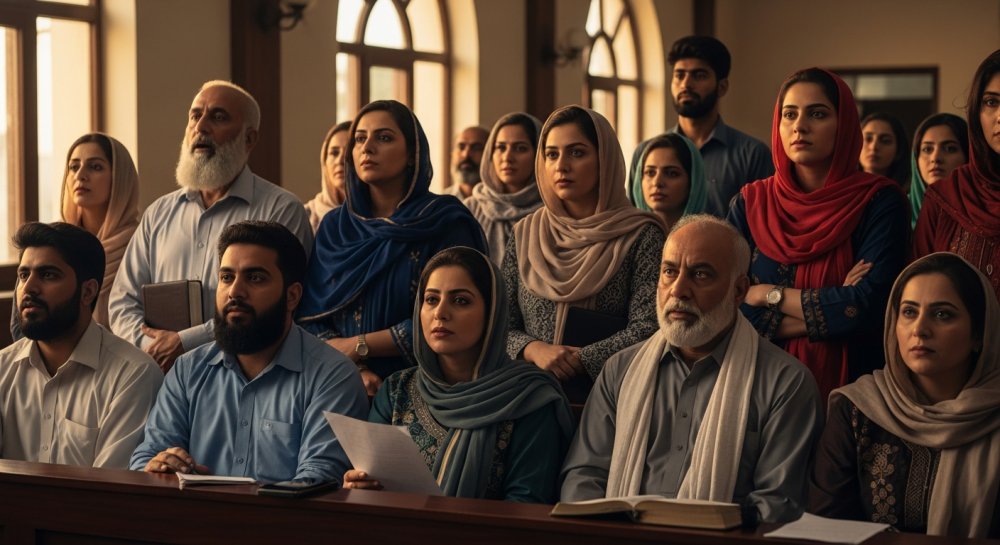
Christian leaders in Pakistan are standing firm in their demand for equal protection under the law as the nation considers sweeping constitutional reforms. Religious freedom advocates are calling on the federal government to include critical safeguards for religious minorities, women, and children in the proposed 28th Constitutional Amendment Bill.
The push for reform comes amid ongoing persecution of Christians and other religious minorities in the predominantly Muslim nation. Faith-based organizations are urging lawmakers to enshrine fundamental protections that would grant believers the same rights and representation afforded to the majority population.
Christian advocacy groups have outlined specific constitutional changes they say are essential for protecting their community. The proposals include guaranteed representation in Pakistan’s Senate and provincial assemblies, ensuring that minority voices are heard in the halls of power.
The reform effort represents a critical moment for religious freedom in Pakistan, where Christians have long faced systemic discrimination and violence. Advocates argue that constitutional protections are necessary to prevent further marginalization of vulnerable populations.
Women and children from minority communities face particular risks, making their inclusion in these reforms especially urgent. The proposed amendments would establish legal frameworks to shield these groups from exploitation and persecution.
For American Christians watching from afar, the struggle of Pakistani believers serves as a sobering reminder of the fragility of religious liberty. It underscores the importance of supporting persecuted Christians worldwide through prayer, advocacy, and assistance.
The outcome of Pakistan’s constitutional deliberations will have far-reaching implications for millions of religious minorities living under increasingly difficult circumstances. The international faith community must remain vigilant in holding governments accountable for protecting fundamental human rights.
Let us know what you think, please share your thoughts in the comments below.
Faith Facts
- Nepal’s Christian population is experiencing rapid growth as the nation stabilizes and emerges from decades of political uncertainty.
- The Nepal Christian Grand Trust now provides a pathway for official recognition of Christian congregations seeking legal protections.
- Church leaders identify theological, spiritual, and practical leadership development as the most urgent need for the maturing Nepali Church.
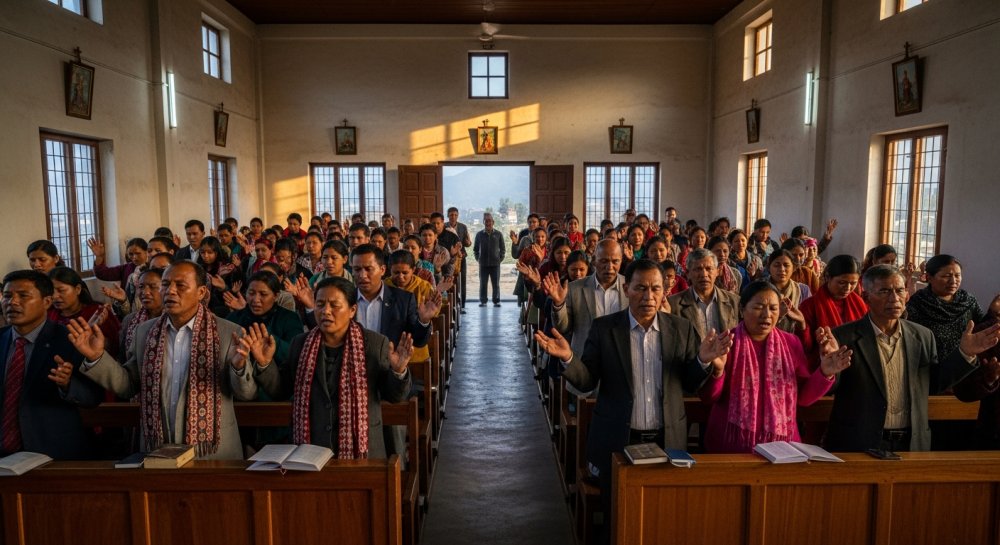
Nepal stands at a crossroads. After decades of political instability and religious restrictions, the nation’s Christian community is experiencing unprecedented growth—and with it, unprecedented challenges.
As the Church in Nepal matures, believers are no longer content to remain in the shadows. They are seeking official status and legal protections for their congregations, a development that reflects both the courage of Nepali Christians and the changing landscape of religious freedom in the Himalayan nation.
The Nepal Christian Grand Trust has emerged as a critical institution in this transformation. By providing a formal pathway for official recognition, the Trust offers Christian congregations the opportunity to operate openly and with legal standing. This represents a significant shift in a country where Christianity was once forbidden and believers faced imprisonment for their faith.
Yet recognition is only the beginning. Church leaders throughout Nepal emphasize that the most pressing challenge facing the growing Christian community is not legal status, but spiritual depth. Theological education, spiritual formation, and practical ministry training remain in desperately short supply.
The rapid expansion of Christianity in Nepal has created an urgent need for qualified pastors, teachers, and leaders who can ground new believers in sound doctrine and biblical truth. Without this foundation, leaders warn, the Church risks becoming a mile wide but only an inch deep—full of enthusiasm but lacking the theological grounding necessary for long-term faithfulness.
This challenge is familiar to Christian communities throughout Asia and the developing world. Explosive growth often outpaces the capacity to train leaders, leaving young congregations vulnerable to false teaching and spiritual confusion. Nepal’s Christian leaders are determined to avoid this pitfall.
The future of Nepal’s Church remains uncertain in many ways. Political changes could shift the landscape again. Cultural pressures and family opposition continue to test believers’ faith. Economic challenges make full-time ministry difficult to sustain.
But uncertainty does not mean hopelessness. The very existence of a thriving, growing Christian community in Nepal is a testament to God’s faithfulness and the courage of Nepali believers who have suffered much for their faith. The establishment of structures like the Nepal Christian Grand Trust and the focus on leadership development demonstrate wisdom and forward-thinking that bodes well for the Church’s future.
American Christians can learn from Nepal’s example. The emphasis on theological depth over numerical growth, the patient work of building institutional structures, and the willingness to suffer for the faith all challenge the comfortable Christianity often found in the West. Nepal’s Christians are building their house on the rock, not on sand.
As Nepal’s Church continues to grow and mature, it will need the prayers and support of believers around the world. The window of opportunity for official recognition and open ministry may not remain open forever. The need for trained leaders will only become more acute as the Church expands.
Yet the future holds genuine hope. A generation of Nepali Christians is rising that has never known a time when the Church was not growing, when believers were not multiplying, when the Gospel was not advancing. They carry the faith forward with both gratitude for what God has done and expectation for what He will do.
Let us know what you think, please share your thoughts in the comments below.
Faith Facts
- Lionsgate confirmed “The Resurrection of the Christ” will release in two parts beginning in 2027, continuing Mel Gibson’s biblical epic series
- The film serves as a follow-up to “The Passion of the Christ,” which became one of the highest-grossing Christian films in history
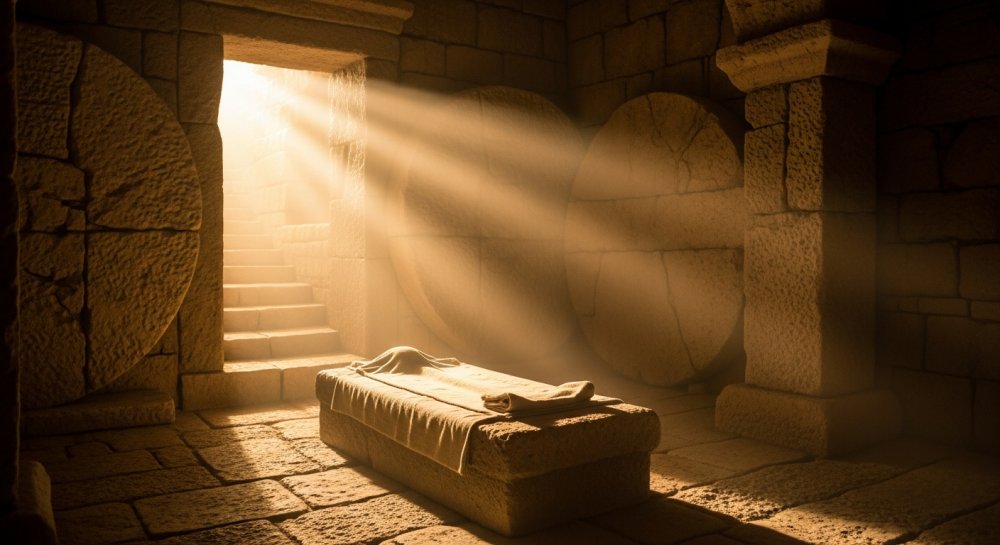
- First-look images have been unveiled, offering audiences their first glimpse at the anticipated biblical drama
Lionsgate has confirmed the theatrical release schedule for Mel Gibson’s highly anticipated biblical epic “The Resurrection of the Christ,” the follow-up to his groundbreaking 2004 film “The Passion of the Christ.” The studio announced the film will arrive in two parts, with the first installment scheduled for 2027.
Gibson’s original film became a cultural phenomenon, grossing over $600 million worldwide and sparking widespread conversation about faith, sacrifice, and the final hours of Jesus Christ. The director’s commitment to authenticity and powerful storytelling resonated deeply with Christian audiences across America and around the world.
The new project promises to continue that legacy by focusing on the resurrection narrative, one of the most central tenets of Christian faith. By dividing the story into two parts, the filmmakers will have the opportunity to explore the profound theological and historical significance of Christ’s triumph over death in greater depth.
First-look images released by Lionsgate provide audiences with their initial glimpse into the visual approach Gibson and his team are taking with this project. The images suggest a continuation of the visceral, authentic style that made the original film so impactful for believers seeking a more realistic portrayal of biblical events.
The decision to release the film in two parts reflects both the scope of the material and the industry’s recognition that faith-based audiences are hungry for substantive, well-crafted content that honors Scripture. This approach allows for a more comprehensive exploration of the resurrection account and its immediate aftermath.
Gibson’s return to biblical filmmaking comes at a time when Christian audiences continue to demonstrate strong support for quality faith-based entertainment. The success of recent Christian films has proven there is a substantial market for productions that treat Scripture with reverence and artistic excellence.
The 2027 release date gives the production team ample time to ensure the film meets the high standards established by its predecessor. For millions of Christians who found “The Passion of the Christ” to be a deeply moving meditation on Christ’s sacrifice, the upcoming resurrection story promises to offer a similarly powerful cinematic experience.
Let us know what you think, please share your thoughts in the comments below.


-

 Self-Reliance1 year ago
Trump’s Bold Move Uncovers Massive Social Security Fraud
-

 Faith1 year ago
New Clues Emerge in Noah’s Ark Mystery
-

 News1 year ago
Governor Walz’s Rhetoric Sparks National Controversy
-

 News1 year ago
Mel Gibson’s ‘The Passion of the Christ’ Sequel Title Announced
-

 Family1 year ago
Texas Lawmaker Targets Furries in Schools
-

 Freedom1 year ago
Maine Lawmaker Challenges Sports Fairness Controversy
-

 Family1 year ago
Canada’s Controversial Policy Sparks Ethical Debate
-
Faith6 months ago
Congress Hears Pleas for Nigerian Christians