
News
Miss America Quietly Revises Contract After Contestant Raises Alarm Over Gender Language


Faith Facts
- The Miss America Organization has revised its contract to clarify that only biological females can compete in its pageants
- The change follows a dispute with a contestant who refused to sign language she believed opened competition to trans-identified males
- Liberty Counsel is representing the former titleholder in her fight to preserve women’s spaces in pageantry
The Miss America Organization has quietly altered its contract language to make clear that only females may compete in its beauty pageants, a move that comes after significant controversy over unclear gender eligibility rules.
The revision follows a high-profile dispute with a contestant who claimed she was stripped of her title for refusing to sign a contract that she believed would have allowed biological males identifying as women to compete. The organization has denied this characterization of events.
Liberty Counsel, a Christian legal organization, is representing the former titleholder in her challenge to what she views as an unjust removal from her position. The case has drawn attention to the broader national debate over the definition of “woman” in single-sex spaces and competitions.
Mat Staver, founder and chairman of Liberty Counsel, emphasized the importance of maintaining clarity in women’s competitions.
“Women’s sports and women’s pageants should be reserved for biological women,” Staver said. “The fact that the Miss America Organization felt compelled to clarify its contract language vindicates the concerns raised by our client.”
The Florida contestant at the center of the controversy, Kayleigh Bush, maintained that the original contract language was ambiguous enough to potentially permit trans-identified males to enter the competition. Her refusal to sign what she viewed as problematic language cost her the Miss Florida title, according to her legal team.
The Miss America Organization has consistently denied that its eligibility rules ever allowed or intended to allow biological males to compete. However, the organization did revise its contract language following the dispute, adding specificity that was previously absent.
This development comes as women’s sports and single-sex spaces across America face increasing pressure to accommodate transgender ideology. From high school athletics to professional competitions, biological males identifying as women have sought and in some cases gained entry to female-only events, sparking concerns about fairness and safety.
The pageant world has not been immune to these pressures. Several beauty competitions have already opened their doors to transgender contestants, marking a significant departure from the traditional understanding of women’s pageantry.
For many conservatives and Christians, the preservation of women-only spaces represents a matter of both common sense and biblical truth. The belief that God created humanity as male and female, with distinct and complementary purposes, undergirds the conviction that women deserve their own protected categories in competition and beyond.
The Miss America Organization’s decision to clarify its language, whether motivated by legal concerns or principle, represents a small victory for those who believe biological reality should determine eligibility in women’s events. The revised contract now leaves less room for ambiguity about who qualifies as a woman in the context of the pageant.
Liberty Counsel continues to represent the former titleholder as her case proceeds. The organization has built a reputation for defending religious liberty and traditional values in courts across the nation, taking on cases that involve the intersection of faith, freedom, and cultural flashpoints.
The broader implications of this case extend far beyond one pageant or one state title. As institutions across America grapple with demands to redefine fundamental terms like “woman” and “man,” clarity in policy and contract language becomes essential to protect the rights and opportunities of biological women.
“This is about more than pageants,” Staver noted. “It’s about whether we as a society will continue to recognize the reality of biological sex and protect spaces that have been reserved for women.”
The case highlights the real-world consequences when organizations fail to maintain clear definitions. Ambiguous language creates confusion, legal vulnerability, and potential injustice for those who seek to uphold traditional standards.
For Christian Americans watching this situation unfold, the stakes are clear. The erosion of sex-based categories represents not merely a political disagreement but a fundamental challenge to the created order and to the protection of women and girls in spaces designed specifically for them.
Let us know what you think, please share your thoughts in the comments below.


Faith Facts
- Scripture teaches that honest scales and balances are from the Lord, and dishonest weights are an abomination to Him.
- Christian voters are called to seek leaders who uphold integrity and reject schemes that undermine fair elections.
- Proverbs 29:2 reminds believers that when the righteous thrive, the people rejoice, but when the wicked rule, the people groan.
A Texas Democrat political action committee has dismissed an organizer after undercover footage showed him describing $25 payments to citizens for attending a one-hour anti-Republican Zoom class.
The organizer referred to the payments as “a roundabout way of paying people for their votes,” raising serious questions about the legality and ethics of the practice.
Conservative watchdogs argue that such tactics erode public trust in the democratic process and violate the principle of free and fair elections that Americans hold dear.
“A roundabout way of paying people for their votes.”
Faith-based leaders in the Lone Star State are calling for full transparency and swift investigation, insisting that Christian citizens deserve elections free from financial inducements.
The incident underscores the need for vigilance among voters who value traditional principles of honesty and accountability in government.
Let us know what you think, please share your thoughts in the comments below.

Faith Facts
- Brad Pitt publicly acknowledged the profound spiritual and psychological toll that military service takes on service members.
- The actor emphasized sacrificial love as a sustaining force through trauma and hardship.
- Christian conservatives affirm that true strength comes from faith, family, and the willingness to lay down one’s life for others.
Brad Pitt presented his new survival drama Heart of the Beast at its red carpet premiere, describing the film as a tribute to the men and women who serve in uniform. He noted that military personnel risk more than physical harm, stating they put their “psyches” and “souls” on the line.
The actor explained that the story also explores how sacrificial love can anchor individuals through deep trauma and adversity.
“Heart of the Beast” shows the cost of military service, sacrificial love.
Christian viewers will recognize the biblical principle that greater love has no one than this: to lay down one’s life for one’s friends.
Let us know what you think, please share your thoughts in the comments below.
Faith Facts
- The bereaved mother turned to her faith in God as she faced the unthinkable loss of her son and his bride.
- She called on lawmakers to remember the biblical command to uphold justice and protect the innocent.
- The family is trusting that truth and righteousness will prevail through prayer and faithful action.
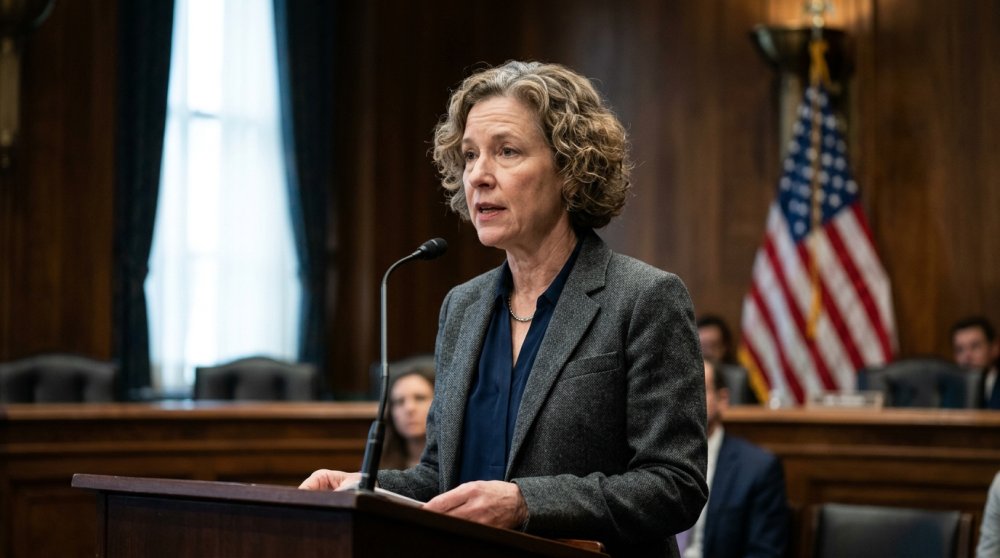
An Oregon mother stood before congressional lawmakers Tuesday to share the devastating story of losing her son and his newlywed bride in a crash caused by a commercial truck driver in the country illegally.
She described the pain of watching her children’s lives cut short by a driver who should never have been behind the wheel.
The mother pleaded for Congress to take decisive steps to close loopholes that place American families at risk.
“They’re tying our hands,” she said.
She urged representatives to remember that every lawmaker has the power to prevent future tragedies.
The grieving mother emphasized that securing the border and enforcing immigration law is not just a policy issue but a matter of protecting the sanctity of life.
She pointed to the biblical principle that government exists to punish evildoers and praise those who do good.
“They’re tying our hands,” she repeated, calling on Congress to act before more families suffer the same loss.
Let us know what you think, please share your thoughts in the comments below.


-

 Self-Reliance1 year ago
Trump’s Bold Move Uncovers Massive Social Security Fraud
-

 Faith1 year ago
New Clues Emerge in Noah’s Ark Mystery
-

 News2 years ago
Governor Walz’s Rhetoric Sparks National Controversy
-

 News1 year ago
Mel Gibson’s ‘The Passion of the Christ’ Sequel Title Announced
-

 Family1 year ago
Texas Lawmaker Targets Furries in Schools
-

 Freedom1 year ago
Maine Lawmaker Challenges Sports Fairness Controversy
-

 Family1 year ago
Canada’s Controversial Policy Sparks Ethical Debate
-
Faith10 months ago
Congress Hears Pleas for Nigerian Christians