
Faith
Why Christian Dignity Stands Apart From Islam’s Worldview

Faith Facts
- Christianity and Islam share historical roots but differ fundamentally on the source and nature of human dignity
- Christian doctrine teaches all humans are made in God’s image, granting inherent worth independent of actions or status
- Understanding these differences equips believers to share the Gospel effectively with Muslim neighbors
While Christianity and Islam occupy common space in monotheistic tradition, their foundations for human value reveal crucial differences that every believer should understand. These distinctions aren’t merely academic—they shape how we live, how we view our neighbors, and how we share the transforming power of Christ’s love.
Both faiths acknowledge one God and revere many of the same biblical figures. Yet when it comes to the question of why human beings matter, the two religions offer fundamentally different answers. Christianity proclaims that every person bears the image of God, a divine stamp of dignity that nothing can erase.
This doctrine of imago Dei means our worth isn’t earned through ritual, good works, or proper behavior. It’s bestowed by our Creator before we take our first breath. From conception to natural death, from the marginalized to the powerful, every human life carries inherent value because God designed it that way.
Islam approaches human dignity differently, emphasizing submission to Allah’s will and adherence to divine law as central to a person’s standing. While Islamic teaching affirms God’s creation of humanity, the pathway to honor and eternal reward runs through obedience and proper practice of the faith.
These divergent foundations produce different fruits in how societies treat the vulnerable, how justice is administered, and how individuals understand their relationship with their Creator. The Christian framework elevates compassion for the weak, care for the stranger, and forgiveness for the transgressor—all rooted in the recognition that Christ died for sinners while we were yet enemies of God.
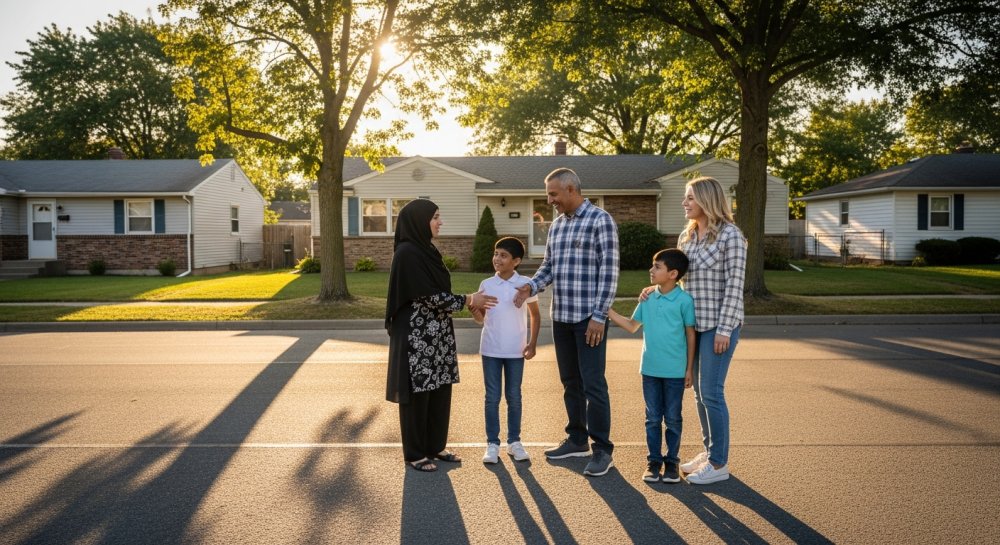
America’s neighborhoods increasingly reflect the diversity of global faith traditions. Muslim families are raising children next door to Christian households across suburban and urban communities. This proximity isn’t accidental—it’s providential opportunity.
When we understand the theological gap between Islam’s emphasis on submission and Christianity’s proclamation of grace, we’re better equipped to build genuine relationships. We can speak intelligently about why the Gospel offers something Islam cannot: unconditional love from a God who pursues His creation with sacrificial abandon.
The cross stands as Christianity’s ultimate statement on human value. God didn’t wait for humanity to clean itself up or prove its worthiness. He entered our brokenness, took on flesh, and died a criminal’s death to restore what sin had corrupted.
This is the dignity difference that matters most. Not a dignity we achieve through religious performance, but a dignity we receive through God’s sovereign choice to call us His own. It transforms how we see ourselves, how we treat others, and how we extend the invitation to eternal life.
As Christians engage with Muslim friends and neighbors, we do so not from a posture of cultural superiority but from humble gratitude for unmerited grace. We share not to win arguments but to offer the relationship with God that changed our own lives—a relationship based on His work, not ours.
The theological distinctions between Christianity and Islam aren’t obstacles to friendship. They’re the very reason friendship matters. In relationship, truth can be spoken with love, questions can be asked with genuine curiosity, and the light of the Gospel can shine in contrast to other worldviews.
Every conversation about faith, every act of neighborly kindness, every demonstration of Christ-like character plants seeds. The Holy Spirit works through these encounters to draw people to Himself, using our faithfulness to point others toward the dignity that only He can provide.
Let us know what you think, please share your thoughts in the comments below.

Faith Facts
- Eric Metaxas emphasizes the biblical foundation of American self-government.
- Nathan Hale, executed by the British at age 21, exemplifies early American faithfulness and courage.
- Remembering heroic figures like Hale strengthens national resolve rooted in biblical truth.
Author Eric Metaxas recently spoke with The Christian Post about the urgent need to recall the biblical principles that shaped American self-government.
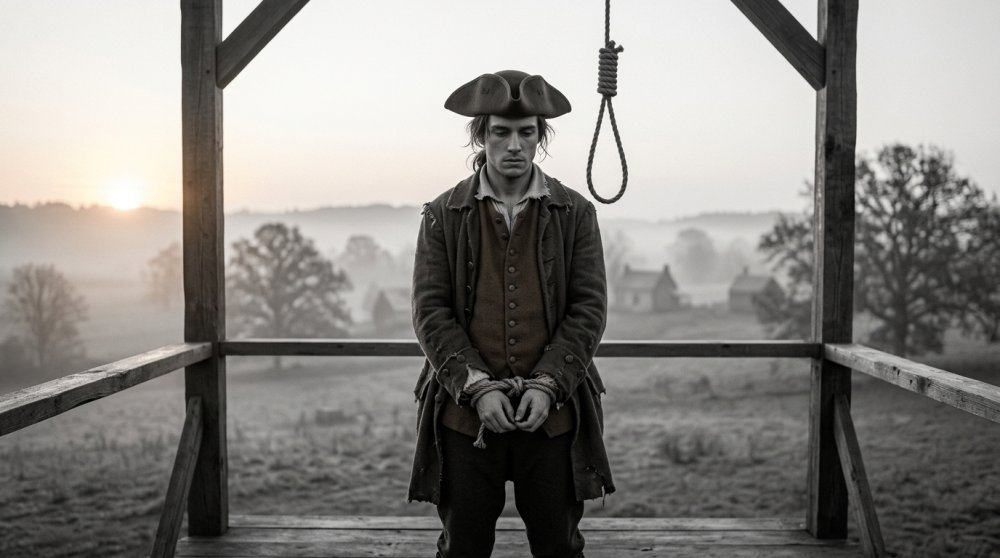
Metaxas pointed to the story of Nathan Hale, the 21-year-old patriot who was hanged by British forces 250 years ago this week, as a powerful example of sacrificial courage.
“We need to remember these heroic figures who laid down their lives for the cause of liberty,” he said.
The author stressed that such stories are not mere historical footnotes but living reminders of the Christian virtues that once defined the American experiment.
“Without these examples, we lose the moral imagination required to sustain freedom,” Metaxas added.
He urged believers and citizens alike to recover the memory of those who stood firm in faith and principle during the nation’s founding era.
Let us know what you think, please share your thoughts in the comments below.
Faith Facts
- A North Carolina church baptized 458 people in one day.
- This event marks the largest single-day baptism in the congregation’s 137-year history.
- The congregation attributes the record turnout to God at work in their community.
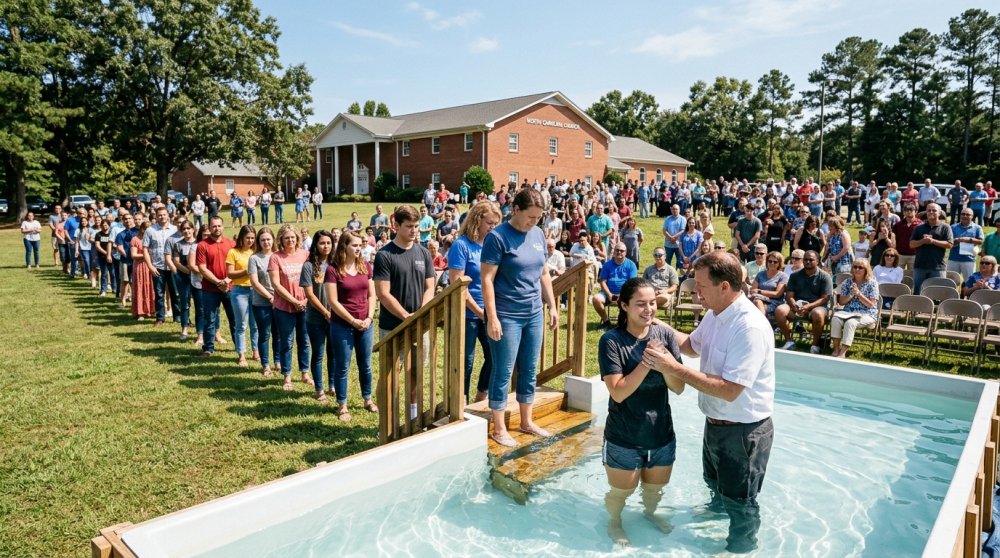
A multisite church in North Carolina baptized 458 people in a single day. This remarkable turnout set a new record for the congregation.
The milestone surpasses any previous single-day baptism in the church’s 137-year history. Church leaders say the outpouring reflects God’s active work among their members and surrounding communities.
Let us know what you think, please share your thoughts in the comments below.
Faith Facts
- Dylan Mandell, a Christian social media influencer, has received his fourth cancer diagnosis in four years.
- Mandell publicly declares he is standing on God’s promise of long life despite the repeated health trials.
- The influencer’s testimony highlights unwavering faith and reliance on Scripture amid suffering.
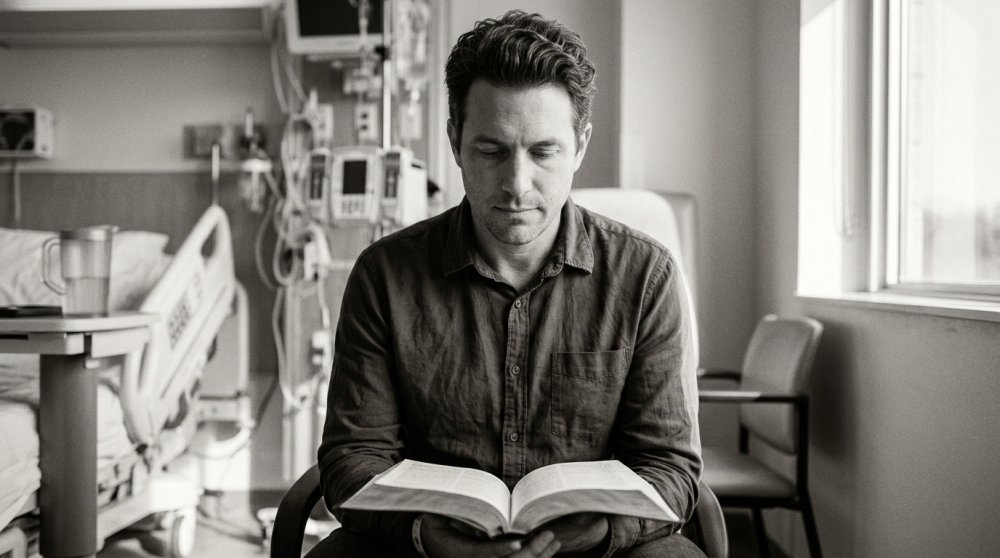
Christian social media influencer Dylan Mandell has been diagnosed with cancer for the fourth time in four years. Yet he refuses to let fear define his story. Instead, he is clinging to the biblical promise of long life.
“I am holding on to God’s promise of long life,” Mandell said. The statement reflects his determination to trust Scripture even when circumstances appear grim.
Family, friends, and followers have rallied around Mandell as he faces this latest battle. His transparency about his health has encouraged many believers to strengthen their own faith during trials.
Through every diagnosis, Mandell has pointed others back to the Word of God. He continues to share messages of hope grounded in Scripture rather than statistics.
Let us know what you think, please share your thoughts in the comments below.


-

 Self-Reliance1 year ago
Trump’s Bold Move Uncovers Massive Social Security Fraud
-

 Faith1 year ago
New Clues Emerge in Noah’s Ark Mystery
-

 News2 years ago
Governor Walz’s Rhetoric Sparks National Controversy
-

 News1 year ago
Mel Gibson’s ‘The Passion of the Christ’ Sequel Title Announced
-

 Family2 years ago
Texas Lawmaker Targets Furries in Schools
-

 Freedom2 years ago
Maine Lawmaker Challenges Sports Fairness Controversy
-

 Family1 year ago
Canada’s Controversial Policy Sparks Ethical Debate
-
Faith10 months ago
Congress Hears Pleas for Nigerian Christians