
Freedom
Pro-Life Groups Defend Rights Against Michigan Law

Faith Facts
- Two Christian organizations in Michigan have taken legal action to defend their pro-life mission from a new state law.
- The law requires coverage for abortion in employee insurance plans, challenging Biblical convictions on the sanctity of life.
- Legal advocates argue that the measure forces faith-based groups to compromise their deeply held beliefs.
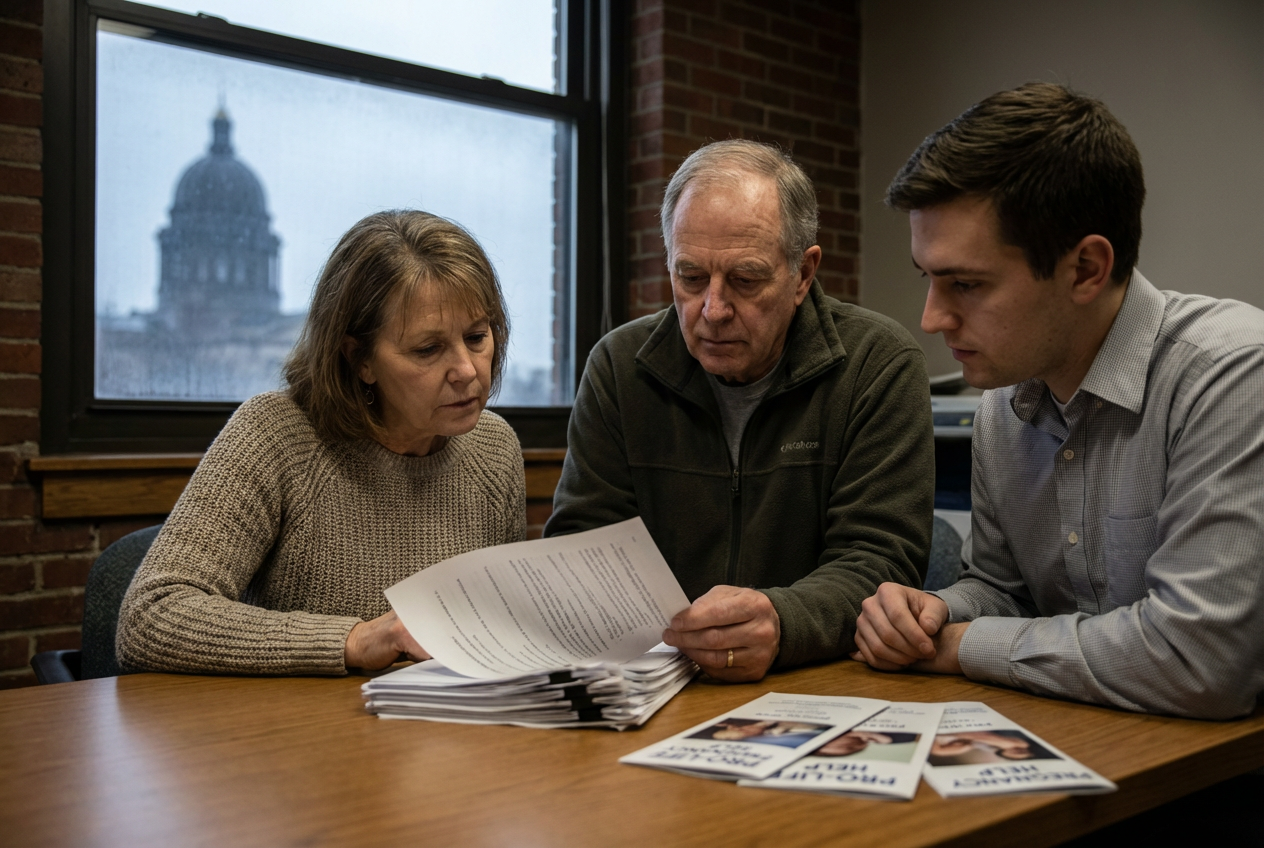
Right to Life of Michigan and Pregnancy Resource Center have challenged a law they say compels them to hire individuals who do not affirm their values on human life. These organizations maintain that such requirements undermine their mission to protect unborn children.
The law extends employment protections to those who support abortion, making it difficult for pro-life groups to maintain staff united in their cause. It also obligates employers to provide abortion coverage if they offer pregnancy coverage, going against Christian teachings on life and morality.
“Michigan’s law thus requires them to recruit and hire those with pro-abortion views, restricts these groups from explaining their pro-life requirements to applicants, and requires these groups to offer abortion coverage in their insurance plans because they generally offer insurance to their employees,” claims the lawsuit.
“The First Amendment protects Right to Life’s and PRC’s First Amendment freedoms to join with others to further a common cause and to refrain from participating in activities that contradict their beliefs. Michigan’s law infringes on these bedrock freedoms. For that reason, it is unconstitutional as applied here.”
The Alliance Defending Freedom is representing the pro-life groups as they seek to preserve the freedom to live out their mission. Senior Counsel Bryan Neihart emphasized, “Pro-life groups should be free to share the message of hope and joy with women and families experiencing a difficult season through employees who share their common goal.”
Pro-life Christians across the nation are called to stand for faith, family, and freedom in the face of laws that threaten Biblical convictions.


Faith Facts
- A key committee in Pakistan’s Punjab Province Assembly approved legislation to protect Christian and minority girls from forced conversions and marriages.
- This legislative action represents a critical step toward safeguarding religious freedom in a region where Christian women and girls face systematic persecution.
- The bill addresses the urgent crisis of abduction, forced conversion, and coerced marriage targeting vulnerable minority communities in Pakistan.
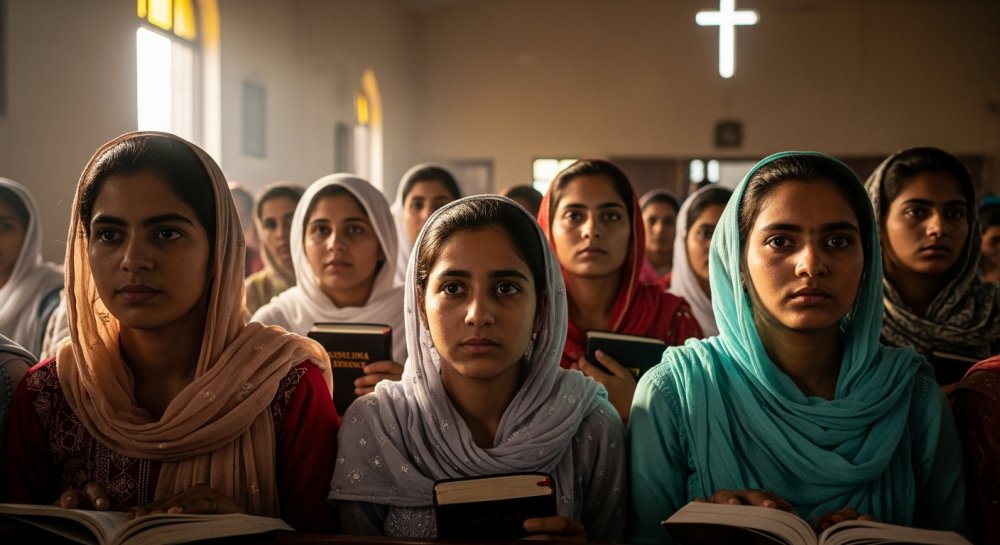
In a significant development for religious freedom, a key committee of Pakistan’s Punjab Province Assembly approved legislation on Monday that would provide crucial protections for Christian and other minority-religion girls who have been systematically targeted for forced conversion and illegal marriage. This legislative advancement marks a potential turning point in addressing one of the most pressing human rights crises facing Pakistan’s Christian community.
The bill’s approval comes amid mounting international pressure and advocacy from Christian organizations worldwide who have documented the alarming pattern of abductions, forced conversions, and coerced marriages affecting young Christian and Hindu girls in Pakistan. These vulnerable young women have faced systematic targeting by extremist elements who exploit gaps in legal protections to perpetrate these heinous acts with impunity.
Punjab Province, Pakistan’s most populous region, has been a particular hotspot for such abuses. Christian families have long lived in fear as their daughters face the constant threat of kidnapping and forced conversion to Islam, followed by arranged marriages that legitimize these crimes under the guise of religious conversion.
The legislation represents years of tireless advocacy by local Christian leaders, international human rights organizations, and concerned citizens who have fought to bring attention to this grave injustice. If fully enacted, the law would establish legal mechanisms to protect minority girls and hold perpetrators accountable, marking a substantial improvement in the protection of religious minorities.
For American Christians and advocates of religious freedom, this development underscores the importance of continued international pressure and support for persecuted believers worldwide. The global Christian community has a responsibility to stand with their brothers and sisters facing persecution and to advocate for their protection through diplomatic channels and prayer.
While the committee’s approval is an encouraging step, the bill still faces additional legislative hurdles before becoming law. Christian advocates remain cautiously optimistic but vigilant, recognizing that enforcement of such protections will be equally critical to their success.
This legislative action also highlights the broader struggle for religious freedom in Pakistan, where Christians and other minorities face discrimination and violence. The advancement of this bill serves as a reminder that faithful advocacy and international attention can bring about meaningful change, even in the most challenging circumstances.
Let us know what you think, please share your thoughts in the comments below.
Faith Facts
- Catholic nuns who have served terminally ill patients for over a century are suing New York state over a law they say forces them to violate their religious beliefs
- The sisters argue the law compels them to compromise their convictions about biological sex and gender identity
- Religious freedom advocates warn this case represents a growing pattern of government overreach into matters of conscience and faith
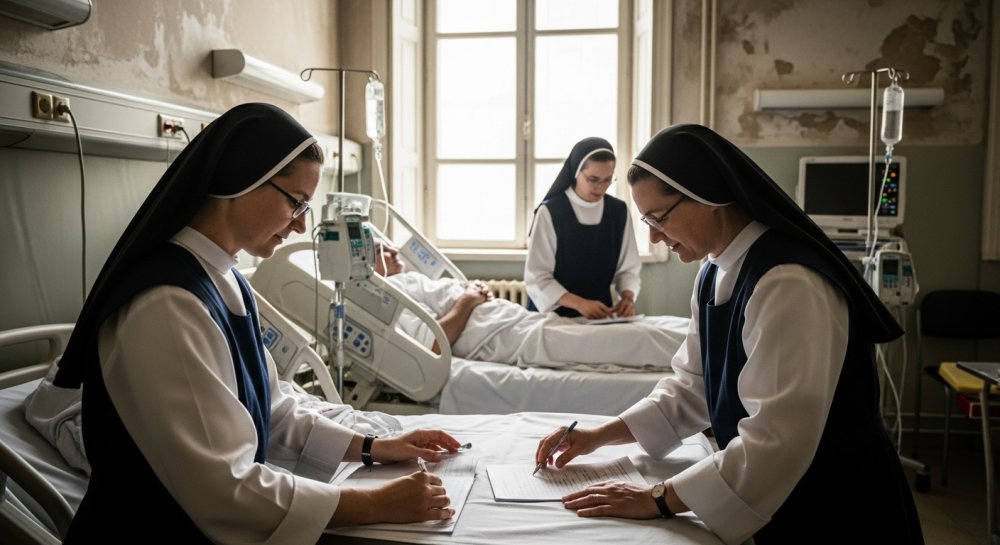
A community of Catholic nuns dedicated to caring for cancer patients is taking a stand against New York state authorities in federal court. The sisters, who have devoted more than 100 years to serving the terminally ill, now find themselves fighting to preserve their religious freedom.
The lawsuit challenges a state law that the nuns say would force them to act against their deeply held Christian beliefs regarding human sexuality and gender. For these faithful women, the issue is not simply about policy—it’s about whether they can continue their ministry without compromising the biblical principles that guide their lives.
This case highlights a troubling trend across America where religious organizations are increasingly pressured to choose between their mission and their faith. The nuns have built their entire vocation around caring for the sick and dying with compassion, yet state officials now demand they abandon core tenets of their Christian worldview.
The sisters maintain that their faith teaches the truth about God’s design for human beings—that we are created male and female. They argue that being forced to deny this truth violates their constitutional right to free exercise of religion, a protection enshrined in the First Amendment.
Religious liberty advocates point out that these nuns are not seeking to impose their beliefs on anyone else. They simply want the freedom to operate their ministry according to their conscience. Their lawsuit asks the courts to affirm what the Founders understood: that government has no business dictating matters of faith.
The case raises fundamental questions about the future of religious institutions in America. If dedicated servants like these nuns cannot practice their faith freely while caring for the vulnerable, what does that say about the state of religious freedom in our nation?
For over a century, these sisters have exemplified Christian charity through their selfless service to cancer patients. Their commitment to both truth and compassion reflects the best of the Christian tradition. Now they need legal protection to continue that sacred work.
The outcome of this lawsuit will have far-reaching implications for churches, religious schools, hospitals, and countless other faith-based organizations across New York and potentially the entire country. It represents a critical test of whether Americans still have the right to live out their faith in the public square.
Let us know what you think, please share your thoughts in the comments below.
Faith Facts
- Uganda’s Parliament is attempting to fast-track legislation establishing a nationwide Sharia court system before dissolving later this month
- Religious freedom advocates warn the bill threatens constitutional protections and could set a dangerous precedent for sectarian judicial systems
- The proposed law would create Islamic courts operating under Sharia law parallel to Uganda’s existing legal system
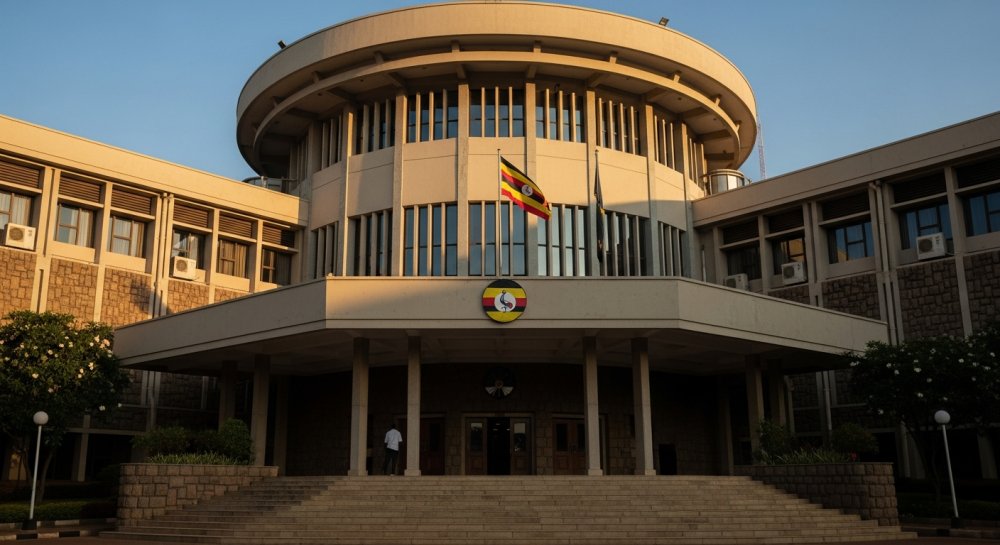
International religious freedom organizations are raising urgent concerns over a bill rapidly advancing through Uganda’s Parliament that would establish Sharia courts across the nation. Advocacy groups warn that lawmakers are attempting to push the legislation through before the current parliamentary session ends, leaving little time for proper scrutiny or public debate.
The proposed legislation would create a parallel judicial system based on Islamic law, operating alongside Uganda’s existing court structure. Critics argue this move threatens the constitutional principle of equality before the law and could create a two-tiered justice system that undermines religious freedom for all Ugandans.
Religious freedom advocates, both within Uganda and internationally, have expressed alarm at the speed with which the bill is being advanced. The rushed timeline has limited opportunities for religious leaders, legal experts, and citizens to fully examine the implications of such a significant change to the nation’s judicial framework.
The establishment of Sharia courts would mark a dramatic shift in Uganda’s legal landscape, raising questions about how disputes involving individuals of different faiths would be adjudicated. Concerns have been raised about potential conflicts between Islamic law and Uganda’s constitution, particularly regarding issues of women’s rights, freedom of religion, and equal protection under the law.
International observers note that similar systems in other nations have sometimes resulted in religious minorities facing discrimination or being pressured to submit to religious courts rather than civil courts. The precedent of establishing religious courts for one faith community could also open the door to demands for similar systems from other religious groups, further fragmenting the nation’s unified legal system.
Uganda’s constitution guarantees freedom of religion and equal protection under the law for all citizens, regardless of their faith background. Critics of the Sharia courts bill argue that creating separate judicial systems based on religious affiliation fundamentally contradicts these constitutional protections and could marginalize those who do not wish to be governed by religious law.
The timing of the vote has become a critical factor, with advocates calling for a delay to allow for comprehensive review and public input. However, proponents within Parliament appear determined to secure passage before the session concludes, raising concerns about whether proper legislative procedures are being followed.
The situation in Uganda reflects broader global tensions between religious law and secular governance, particularly in nations with diverse religious populations. How Uganda resolves this issue could have implications for religious freedom and rule of law across East Africa and beyond.
Faith communities worldwide are watching closely as this legislation moves forward, recognizing that the outcome will affect not only Muslims in Uganda but the principle of equal justice and religious freedom for all citizens.
Let us know what you think, please share your thoughts in the comments below.


-

 Self-Reliance1 year ago
Trump’s Bold Move Uncovers Massive Social Security Fraud
-

 Faith1 year ago
New Clues Emerge in Noah’s Ark Mystery
-

 News1 year ago
Governor Walz’s Rhetoric Sparks National Controversy
-

 News1 year ago
Mel Gibson’s ‘The Passion of the Christ’ Sequel Title Announced
-

 Family1 year ago
Texas Lawmaker Targets Furries in Schools
-

 Freedom1 year ago
Maine Lawmaker Challenges Sports Fairness Controversy
-

 Family11 months ago
Canada’s Controversial Policy Sparks Ethical Debate
-
Faith5 months ago
Congress Hears Pleas for Nigerian Christians