
Faith
Nigerian Christians Face Deadly Persecution

Faith Facts
- Boko Haram, Islamic State affiliates, and Fulani militant herders have carried out assaults on Christian communities in Nigeria.
- Efforts to hold the Nigerian government accountable include proposed U.S. legislation urging action against religious persecution.
- Advocacy groups and religious leaders highlight a pattern of targeted violence, with over 52,000 Christians killed and 20,000 churches attacked since 2009.
As believers around the world join in prayer for the persecuted church, Nigerian Christians continue to suffer brutal attacks at the hands of extremists. Government officials have pushed back against claims of genocide, even as pressure increases for accountability.
Servants of Christ are raising their voices to bring attention to the plight of innocent men, women, and children whose only crime is proclaiming the name of Jesus.
The Nigeria Religious Freedom Accountability Act was introduced by Senator Ted Cruz, calling for U.S. measures to address the hostile atmosphere for believers in Nigeria.
Additionally, a petition from leading religious liberty advocates urges the U.S. government to place Nigeria back on the “Country of Particular Concern” list due to ongoing religiously motivated violence.
“The Nigerian government is directly violating religious freedom by enforcing Islamic blasphemy laws that carry the death penalty and harsh prison sentences against citizens of various religions.”
“It also demonstrably tolerates relentless aggression uniquely against Christian farming families by militant Fulani Muslim herders, who appear intent on forcibly Islamizing the Middle Belt.”
Fulani militant herders present the gravest danger to Christian families in Nigeria’s central region according to these advocates, aiming to seize land and erase longstanding Christian communities.
Churches across the nation stand firm, even as attackers destroy homes and farmland, driving believers to seek refuge in makeshift camps with scarcely any government support.
Despite numerous warnings, government forces often fail to respond to the looming threat, leaving faithful families vulnerable and without protection.
“The biggest threat facing Nigeria’s Christians comes from Fulani Muslim herders.”
“With cries of ‘Allahu Akbar’ and wielding AK-47s, they invade peaceful Christian farming areas in Nigeria’s central region, massacring families, burning homes and harvests, and driving millions of Christians from their ancestral lands.”
The surrounding political climate frequently downplays the religious root of these assaults, attributing violence to resource disputes rather than acknowledging the clear targeting of followers of Christ.
In heartfelt testimony, Bishop Wilfred Anagbe described his people as a church under extermination by Islamist forces.
“The experience of Christians in Nigeria can be summed up as a church under Islamist extermination.”
Nigerian Christians need our faithful prayers, advocacy, and unwavering commitment to the principles of liberty, just as our Lord calls us to stand with the persecuted. May we never forget those suffering for their faith in Christ.


Faith Facts
- Human Rights Without Frontiers reports governmental restrictions on religious freedom in Europe have reached a 20-year high
- A new form of ‘managerial secularism’ is emerging across European governments that seeks to control and regulate religious expression
- The trend marks a dramatic shift away from Europe’s Christian heritage and traditional religious liberties
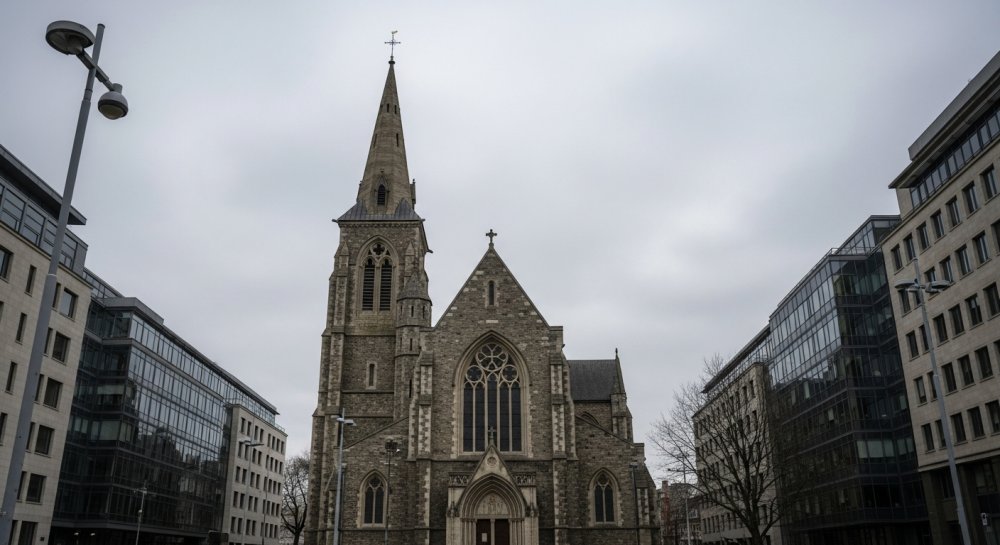
A troubling pattern is emerging across Europe as governments increasingly restrict the freedom of citizens to practice their faith. According to Human Rights Without Frontiers (HRWF), a Brussels-based monitoring organization, governmental restrictions on religious freedom have now reached their highest level in two decades.
The organization warns that a new phenomenon they call “managerial secularism” is becoming commonplace throughout European nations. This approach treats religious practice not as a fundamental human right, but as something to be controlled, regulated, and managed by government bureaucrats.
For Americans who cherish the First Amendment and its protections of religious liberty, these developments across the Atlantic serve as a sobering warning. What begins with bureaucratic oversight can quickly escalate into outright persecution of faith communities.
The rise of managerial secularism represents a fundamental departure from Europe’s Christian roots and the principles that once guided Western civilization. Rather than protecting the free exercise of religion, governments are positioning themselves as arbiters of acceptable religious expression.
This trend affects Christians, Jews, Muslims, and believers of all faiths who seek to live according to their conscience. When governments claim the authority to manage and restrict religious practice, no person of faith is truly safe.
The American model of religious freedom—enshrined in our Constitution and defended throughout our history—stands in stark contrast to this European drift toward state control of faith. Our Founding Fathers understood that religious liberty must be protected from government interference, not subjected to it.
As believers worldwide face increasing pressure to conform to secular mandates that contradict their deeply held convictions, the need for vigilance has never been greater. The erosion of religious freedom rarely happens overnight; it advances gradually through regulations, restrictions, and bureaucratic overreach.
These developments in Europe should remind American Christians of the precious nature of our constitutional protections and the constant need to defend them against those who would diminish religious liberty in the name of progress or tolerance.
Let us know what you think, please share your thoughts in the comments below.

Faith Facts
- Christians have a biblical mandate to minister to those around them, regardless of location or circumstance
- Migration and transition periods present unique opportunities for believers to demonstrate Christ’s love through practical service
- The settled diaspora community holds a kingdom responsibility to support newcomers facing cultural and linguistic challenges
Every believer’s placement in life is ordained with divine purpose. Whether settled in a community for generations or newly arrived, Christians are called to recognize that their current position is no accident—it’s an assignment from God.
Migration, whether involuntary or voluntary, presents some of the most challenging seasons in a person’s life. The journey can be profoundly lonely and overwhelming, particularly when language barriers compound the difficulty of establishing new roots and finding community support.
Christians who have already established themselves within diaspora communities possess a unique and sacred responsibility. Their freedom, stability, and familiarity with local culture position them perfectly to serve as ambassadors of Christ’s love to those just beginning their transition journey.
This kingdom responsibility extends beyond mere charity—it’s about fulfilling the Great Commission in our own backyards. By providing transition support, offering friendship, and helping newcomers navigate unfamiliar systems, settled believers become living testimonies of God’s provision and care.
The practical ministry opportunities are abundant: language assistance, cultural orientation, employment guidance, or simply offering a welcoming smile and patient ear. These acts of service reflect the heart of the Gospel and demonstrate that the body of Christ transcends national boundaries and cultural differences.
When Christians embrace their calling to minister right where they are, powerful kingdom work unfolds. Newcomers find not just survival support, but a spiritual family that helps them thrive.
To God be the glory for positioning His people exactly where they need to be to advance His kingdom and bless those in need.
Let us know what you think, please share your thoughts in the comments below.
Faith Facts
- Indonesian authorities in South Sulawesi Province halted construction of a Christian prayer house after Muslim residents protested its building.
- Despite meeting legal requirements, Christian communities in Indonesia frequently face opposition and threats when attempting to establish places of worship.
- Indonesia, the world’s largest Muslim-majority nation, has seen increasing religious intolerance toward Christian minorities in recent years.
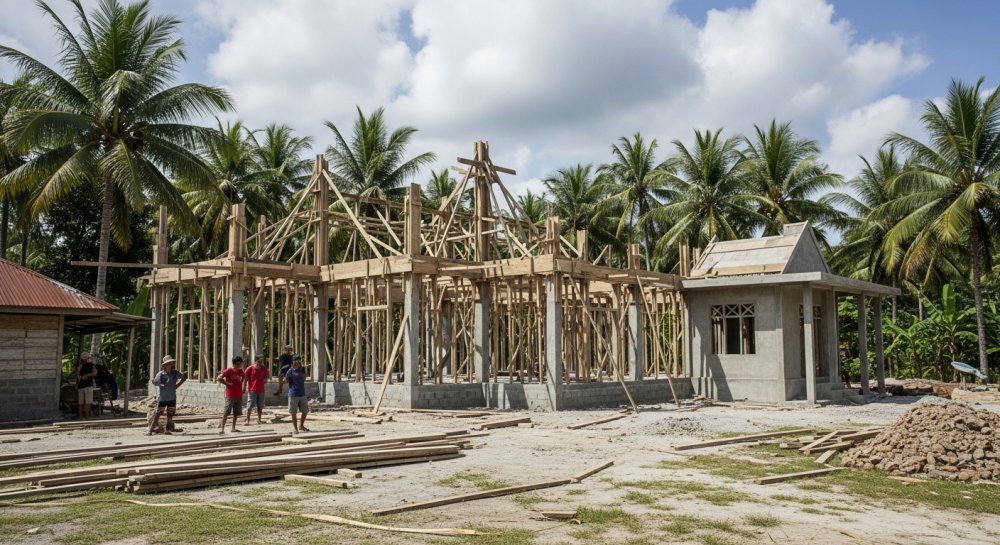
Local officials in Indonesia’s South Sulawesi Province have stopped construction of a Christian prayer house after protests erupted from Muslim residents in the area. The decision highlights the growing challenges faced by Christian communities seeking to practice their faith freely in the world’s largest Muslim-majority nation.
The construction project had been undertaken by Christian residents who met all legal requirements for building their place of worship. However, opposition from the Muslim community in the region led to demonstrations that ultimately pressured local authorities to intervene and halt the work.
This incident is part of a troubling pattern across Indonesia, where Christian minorities increasingly face obstacles when attempting to build churches or prayer houses. Despite constitutional protections for religious freedom, Christian communities often encounter intimidation, legal roadblocks, and outright hostility from local populations and officials.
Indonesia’s constitution guarantees freedom of religion, but the practical reality for Christians and other religious minorities tells a different story. Local regulations and permitting processes are frequently weaponized to prevent the construction of Christian houses of worship, while mosques face no similar restrictions.
The situation in South Sulawesi reflects broader trends of religious intolerance that have accelerated in Indonesia over the past decade. Christian leaders in the region have documented numerous cases where legal construction projects were abandoned due to pressure from Muslim groups, leaving believers without adequate places to gather for worship and fellowship.
Religious freedom advocates have expressed concern about the precedent set when government authorities yield to mob pressure rather than upholding the legal rights of religious minorities. This pattern of capitulation encourages further intimidation and erodes the rule of law.
For American Christians committed to religious liberty worldwide, the persecution of Indonesian believers serves as a sobering reminder that faith freedom cannot be taken for granted. The courage of these Indonesian Christians to continue seeking places to worship despite opposition deserves our prayers and support.
Let us know what you think, please share your thoughts in the comments below.


-

 Self-Reliance1 year ago
Trump’s Bold Move Uncovers Massive Social Security Fraud
-

 Faith1 year ago
New Clues Emerge in Noah’s Ark Mystery
-

 News1 year ago
Governor Walz’s Rhetoric Sparks National Controversy
-

 News1 year ago
Mel Gibson’s ‘The Passion of the Christ’ Sequel Title Announced
-

 Family1 year ago
Texas Lawmaker Targets Furries in Schools
-

 Freedom1 year ago
Maine Lawmaker Challenges Sports Fairness Controversy
-

 Family12 months ago
Canada’s Controversial Policy Sparks Ethical Debate
-
Faith5 months ago
Congress Hears Pleas for Nigerian Christians