
Faith
Young Black Christians Uplift Faith and Justice

Faith Facts
- Three young believers are integrating Christian faith with advocacy and creativity.
- Paige Lewin uses her faith to encourage Black women to embrace their God-given beauty and worth.
- Allegria Dilecarta brings Christian love into her activism for justice and disability inclusion.
Today’s generation of Black Christians are letting their walk with Christ shape not just their personal lives, but their public actions and advocacy.
Paige Lewin uses her platforms to encourage Black women to cherish their God-given identity and gifts, seeing every aspect of themselves as intentionally crafted by the Creator.
“Honestly, How to Love Your Afro was born out of a dream I believe God gave me,” she says.
She believes loving one’s natural features is an act of honoring God’s handiwork.
Her encouragement to the Church is to affirm the beauty and culture God has placed within each believer, reflecting the fullness of His creation.
Allegria Dilecarta is a model and Christian activist.
She has used her faith to advocate for racial equality and disability inclusion, seeing justice work as essential to living out the teachings of Jesus.
“When I gave my life to Christ, it was during lockdown, at the peak Black Lives Matter movement,” she recalls.
Her walk with Christ deepened her commitment to serve the oppressed, echoing the heart of Jesus for the vulnerable and marginalized.
“The scripture says ‘Faith without works is dead.’ Yes, we can pray, but what about charity within the local community or speaking to your church about initiating a mission overseas?”
Allegria’s favorite verse, Isaiah 1:17, reminds believers to pursue justice and care for those in need as an act of faithfulness to God.
Together, these young leaders demonstrate faithful commitment to God’s call for justice, dignity, and love.
Let us be inspired by these Christian voices, who demonstrate how Biblical values can fuel both love for neighbor and bold action for justice.
May we seek to honor God by living out faith, hope, and charity in every part of life.

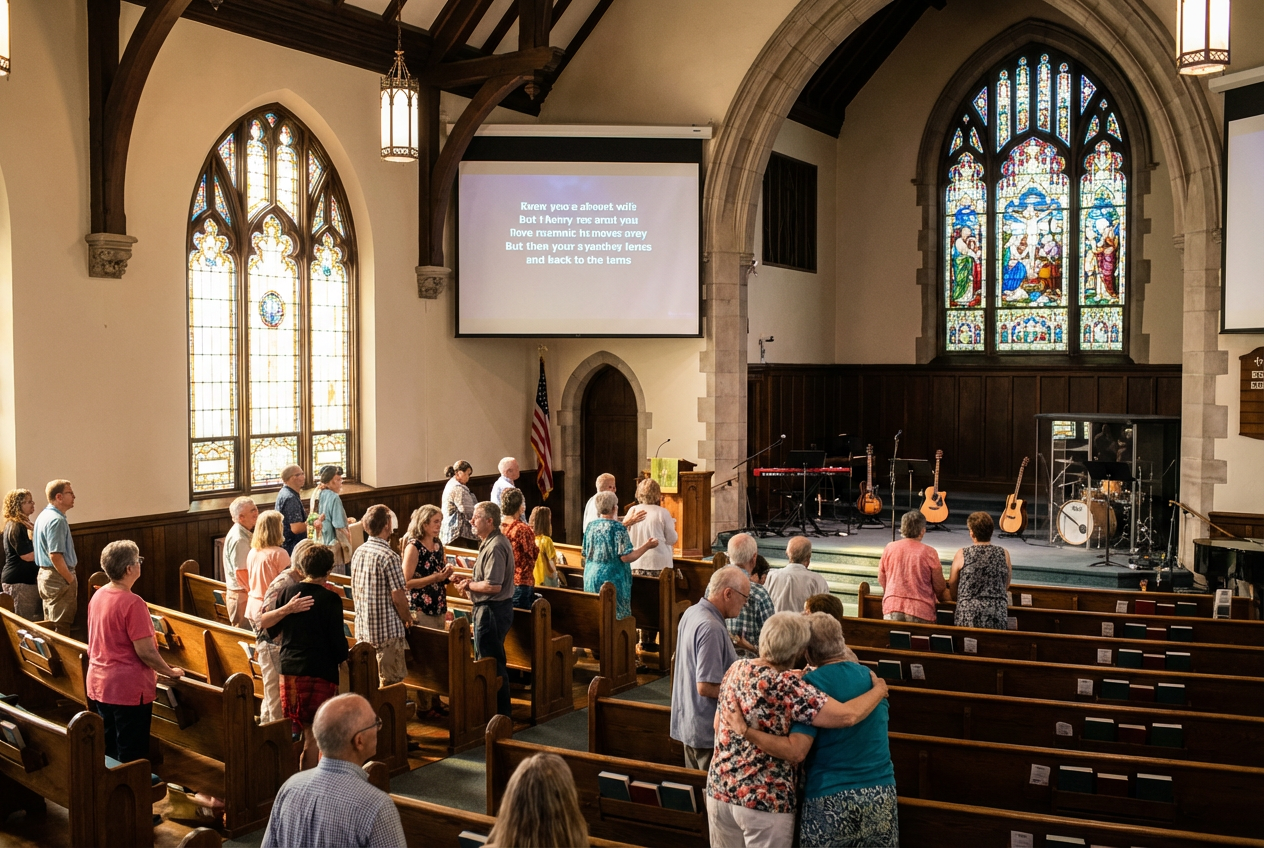
Faith Points:
- The early Church thrived by remaining unshakeable in foundational doctrine while gathering in diverse public and private settings.
- Faithfulness to our ancestors means honoring the mission they served by ensuring the Gospel reaches the current culture.
- Biblical community requires a willingness to sacrificial change so that the next generation may encounter the Good News.
True beauty in our churches must be anchored in divine purpose rather than mere nostalgia.
While we honor the rich tapestry of our Christian heritage, we must ensure our traditions serve as vessels for the Gospel rather than static museum exhibits.
The Church carries a sacred responsibility to reach every generation with the unchanging Word of God.
We are called to be both guardians of the faith and bold messengers who use every effective means to share the light of Christ with a lost world.
“Beauty without purpose becomes a museum.”
We must cultivate a visionary spirit that values our historic roots while remaining radically flexible in our methods.
By prioritizing the transformation of souls over personal comfort, we honor God and secure a vibrant future for the American church.
Tradition is important, but the Church must adapt in order to survive
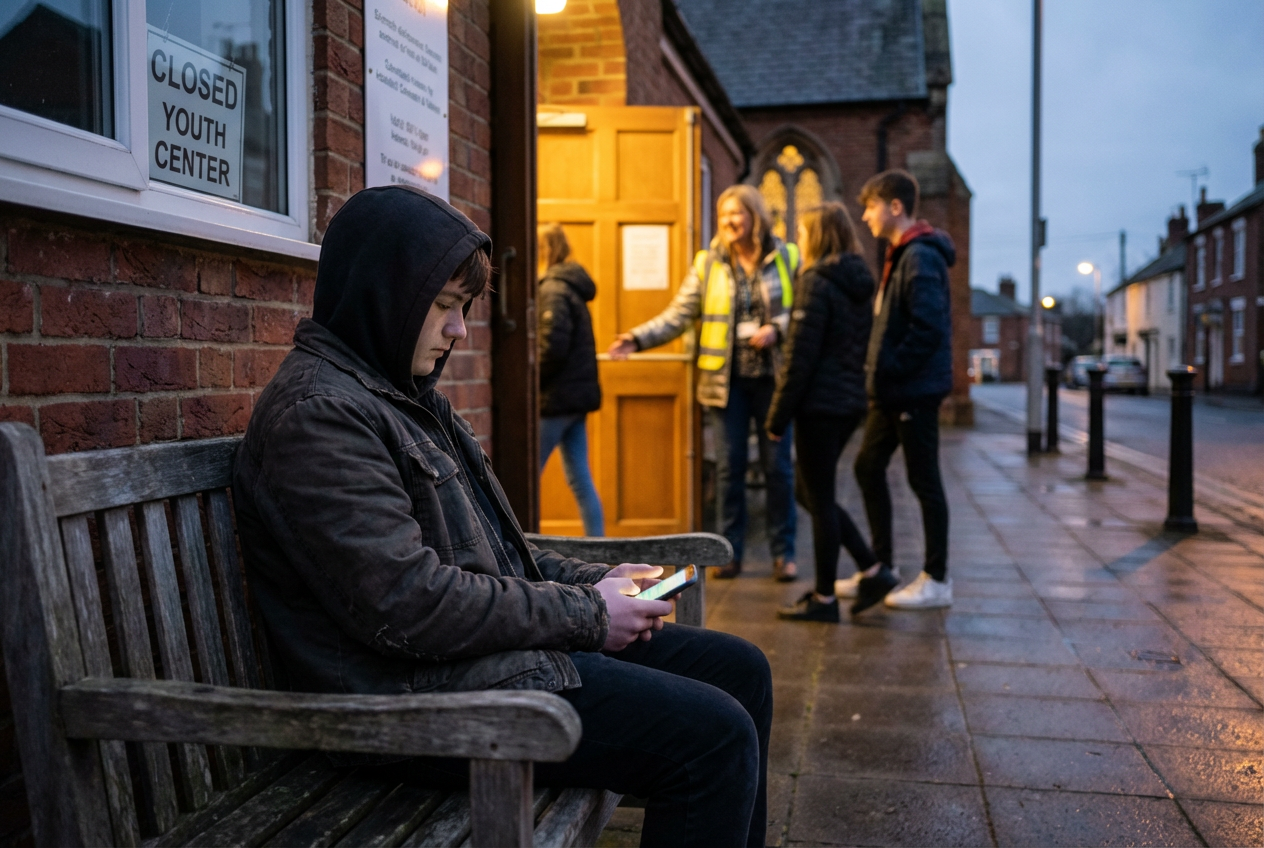
Faith Points:
- Church initiatives like Lancashire’s ‘Ignite’ project are placing youth workers in communities to offer safe, faith-filled environments.
- Biblical stewardship for the next generation means creating opportunities for physical, social, and spiritual growth.
- Social media companies—not children—should be held accountable for manipulative algorithms that prioritize profit over safety.
A recent debate in the UK about social media bans for those under sixteen sparked an important conversation about the wellbeing of our children. Shielding youth from predatory algorithms and corporate greed is noble, but we must also consider the vacuum left behind when digital spaces are removed without better alternatives.
For many young people today, social media has become a substitute for the dwindling physical community spaces that once fostered growth and fellowship. The erosion of youth centers and extracurricular programs has contributed to a loneliness pandemic that a simple legal ban cannot cure.
We must build a nation where opportunities for our youth are so fulfilling that the digital world loses its deceptive luster. True protection comes from reinvesting in families and churches so every child is known, loved, and mentored in the faith.
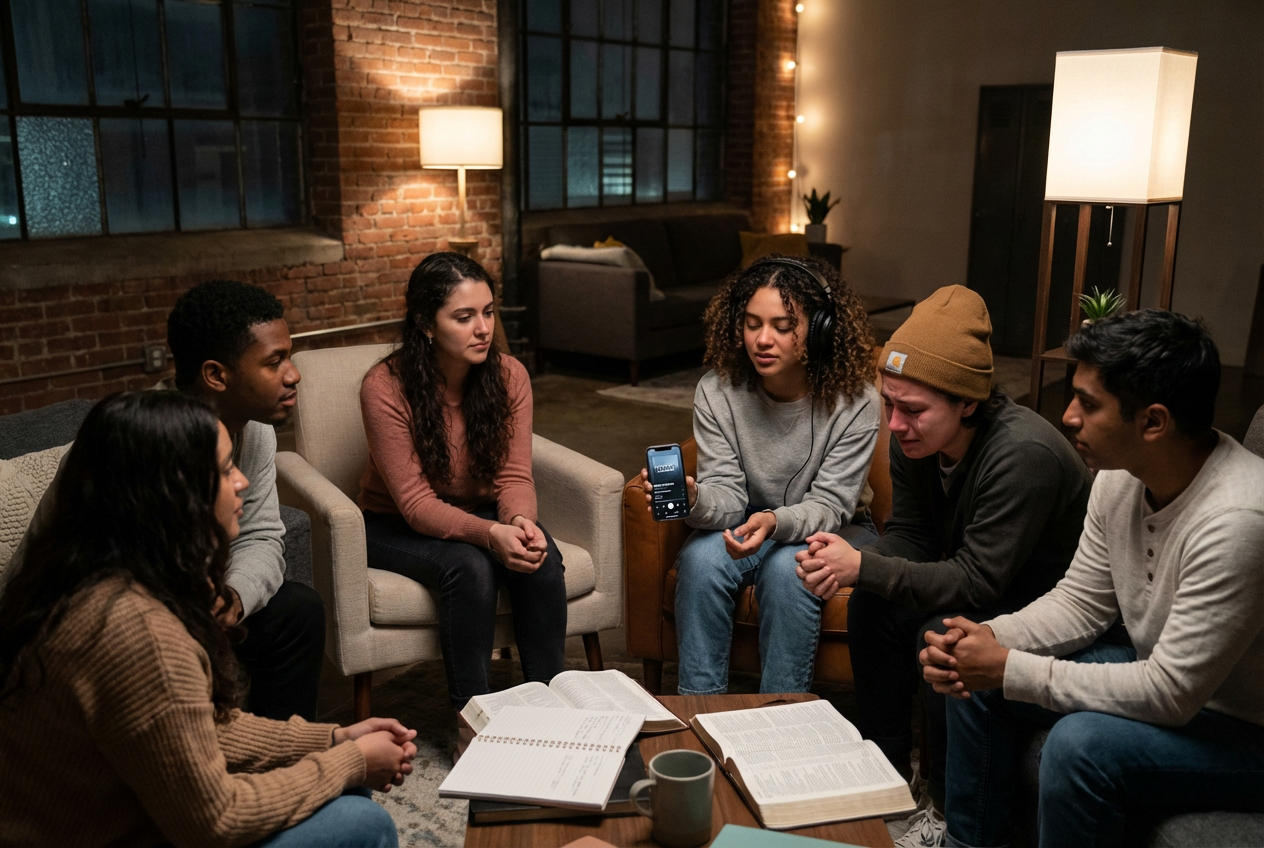
Faith Points:
- A third of the Psalms are dedicated to lament, yet these texts are often omitted from contemporary worship.
- Research indicates that 16% of 18-to-24-year-olds now attend church monthly, signaling growing spiritual hunger.
- About 40% of workshop participants left formal church settings because they felt unable to be honest about internal struggles.
A recent workshop at Kowloon Union Church revealed that Gen Z is searching for a faith that acknowledges real-world struggle and pain.
By pairing secular songs about anxiety with the biblical Psalms of lament, participants found a space for spiritual honesty that many feel is missing from modern services.
The study found that 73% of participants felt pressured to perform okay-ness in traditional church settings.
This highlights a need for the Body of Christ to embrace the biblical language of suffering found in Scripture.
Authentic Christian faith does not require the absence of doubt or the suppression of grief.
Instead, it invites us to bring our burdens to God, trusting that His grace is sufficient for our weakest moments.


-

 Self-Reliance12 months ago
Trump’s Bold Move Uncovers Massive Social Security Fraud
-

 Faith11 months ago
New Clues Emerge in Noah’s Ark Mystery
-

 News1 year ago
Governor Walz’s Rhetoric Sparks National Controversy
-

 Family1 year ago
Texas Lawmaker Targets Furries in Schools
-

 News12 months ago
Mel Gibson’s ‘The Passion of the Christ’ Sequel Title Announced
-

 Freedom1 year ago
Maine Lawmaker Challenges Sports Fairness Controversy
-

 Family10 months ago
Canada’s Controversial Policy Sparks Ethical Debate
-
Faith4 months ago
Congress Hears Pleas for Nigerian Christians