
News
Trump Administration’s Bold Moves on Faith and Freedom

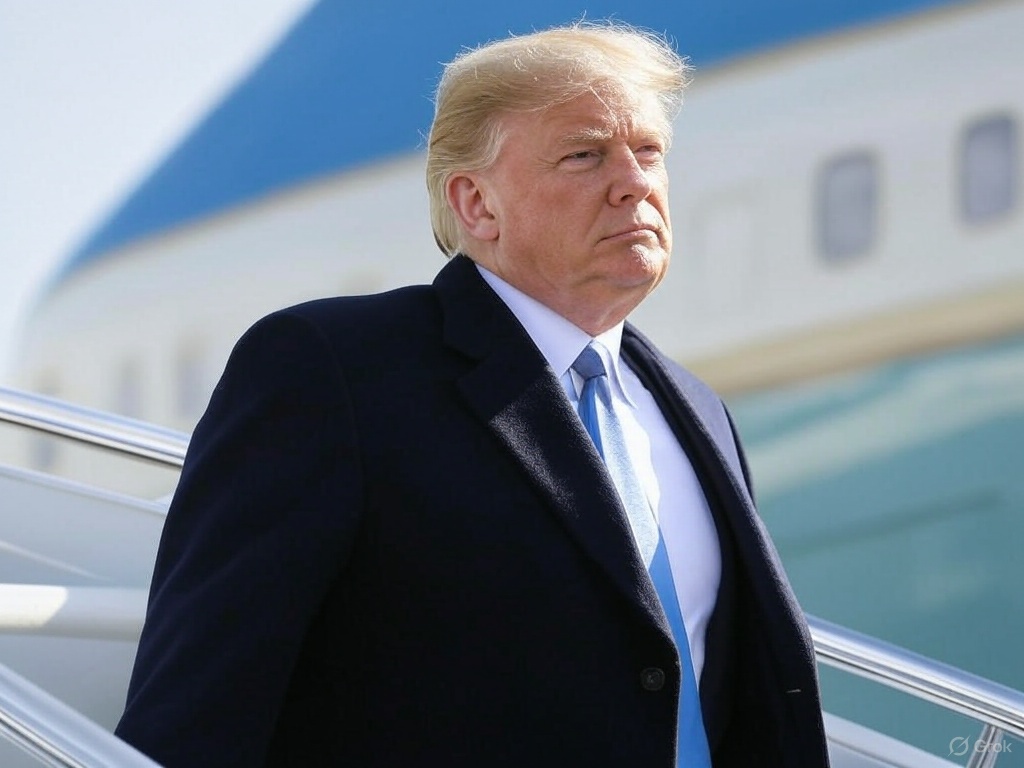
In a world where traditional values are often challenged, the Trump administration continues to stand firm in its commitment to uphold the principles that have long been the foundation of our nation. This past week, significant strides were made in both domestic and foreign policy, reflecting a dedication to faith, family, and freedom.
Domestically, the Trump administration has taken a bold step by urging the U.S. Supreme Court to reconsider rulings that have obstructed one of President Donald Trump’s key policy initiatives. This move underscores a commitment to ensuring that the policies designed to protect American values and promote individual responsibility are not hindered by judicial overreach.
In a society where the moral compass is often tested, it is refreshing to see an administration that is not afraid to take a stand against actions that threaten our nation’s security and moral fabric. The administration’s decisive action against students involved in protests supporting the Hamas terrorist organization sends a clear message: there is no place for terrorism or its sympathizers in our communities.
Furthermore, universities that engage in race-based discrimination are being held accountable, reinforcing the belief that all individuals should be judged by their character and actions, not the color of their skin. This aligns with the principle that all are created equal, and it is a step towards fostering a more just and equitable society.
On the international front, efforts to negotiate a cease-fire between Russia and Ukraine continue, highlighting the administration’s dedication to peace and stability. In a world fraught with conflict, the pursuit of peace is a testament to the enduring values of diplomacy and mutual respect.
As we navigate these challenging times, it is imperative that we remain steadfast in our commitment to the principles that define us as a nation. The Trump administration’s actions this week reflect a deep-seated belief in the power of faith, the importance of family, and the necessity of freedom. These are the values that will guide us toward a brighter future, and it is our duty to uphold them for generations to come.
Let us know what you think, please share your thoughts in the comments below.


Faith Facts
- Democratic U.S. Senate candidate James Talarico has softened his stance on transgender issues, now expressing openness to restrictions on minor sex-change procedures and male athletes in women’s sports.
- Talarico walked back his previous claim that there are more than two sexes, admitting he “missed the mark” on his earlier statements.
- The Texas lawmaker’s reversal comes as Democrats face increasing political pressure over extreme gender ideology positions that conflict with traditional values and biological reality.
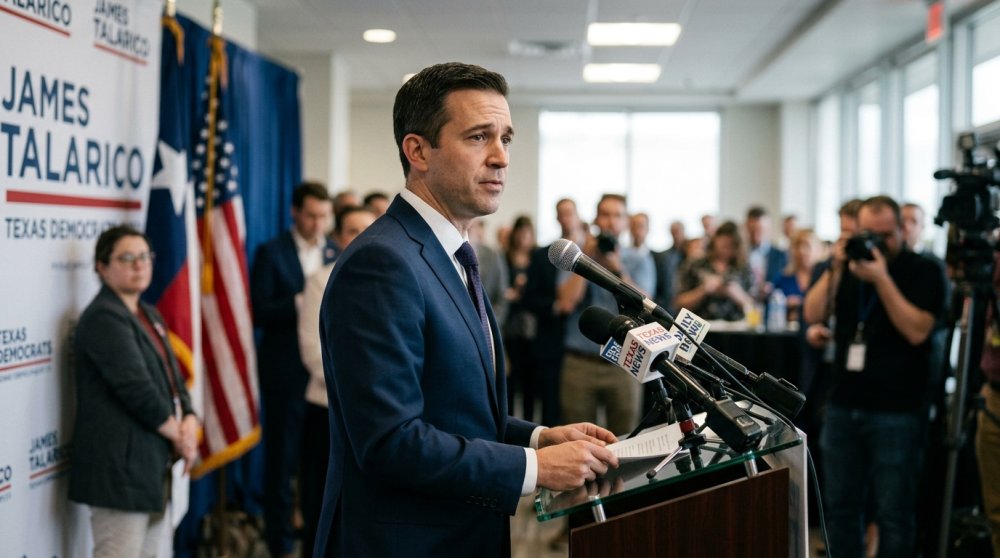
Democratic U.S. Senate nominee James Talarico has begun backtracking on his most controversial positions regarding gender ideology, signaling a dramatic shift from his previous stances that drew widespread criticism from conservatives and families across Texas.
The Texas lawmaker expressed an openness to banning sex-change procedures for minors and restricting trans-identifying male athletes from competing in women’s sports in certain cases. This marks a significant departure from his earlier advocacy for unrestricted transgender policies.
Most notably, Talarico walked back his previous assertion that there are more than two sexes, a claim that contradicted both biblical teaching and basic biological science.
“I missed the mark,” Talarico acknowledged regarding his earlier controversial statements.
The reversal comes at a critical time as Democrats nationwide struggle to navigate the political fallout from their party’s embrace of radical gender ideology. Many voters, particularly parents and people of faith, have grown increasingly concerned about policies that prioritize political correctness over the safety and wellbeing of children.
Talarico’s shifting positions raise questions about whether this represents a genuine change of heart or simply political calculation ahead of a competitive Senate race. Texas voters have consistently demonstrated strong support for policies that protect children from irreversible medical procedures and preserve fairness in women’s sports.
The candidate’s acknowledgment that he “missed the mark” on fundamental questions of human biology and child protection suggests he recognizes that his previous positions were out of step with Texas values. Whether this conversion comes too late remains to be seen as the campaign moves forward.
This development highlights the growing recognition among some Democrats that their party’s extreme positions on gender issues have become a significant political liability. Traditional values voters and concerned parents have increasingly mobilized around protecting children and preserving biological reality in policy discussions.
Let us know what you think, please share your thoughts in the comments below.
Faith Facts
- Terry Strada, whose husband died in the 9/11 attacks, urged President Trump to bring Saudi Arabia to justice at the 25th memorial ceremony
- Strada criticized previous administrations for failing to hold the Saudi kingdom accountable for its alleged role in the attacks
- The call for accountability comes as families of 9/11 victims continue seeking transparency about foreign involvement in the terrorist attacks
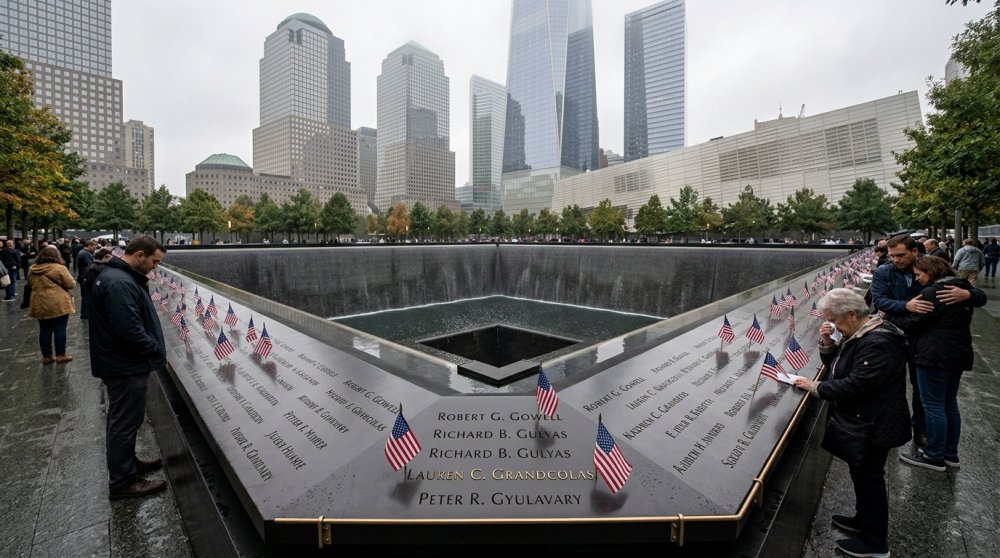
At the 25th anniversary memorial of the September 11 terrorist attacks, Terry Strada made a powerful appeal to President Donald Trump. Her husband was among the nearly 3,000 Americans who lost their lives that tragic day.
Strada directly called on Trump to bring the Kingdom of Saudi Arabia to justice for its alleged role in the attacks. Her plea came during Friday’s memorial ceremony, with former presidents in attendance.
The advocate’s public appeal highlights ongoing frustrations among 9/11 families who believe previous administrations have failed to pursue full accountability. Many families have long sought transparency regarding potential foreign government involvement in the attacks.
Strada’s call represents the persistent determination of 9/11 families to seek truth and justice, even a quarter-century after that fateful morning changed America forever. Her willingness to speak out at such a solemn occasion underscores the depth of unresolved questions that continue to trouble those who lost loved ones.
The issue of Saudi Arabia’s potential connections to the 9/11 hijackers has remained controversial for years. Fifteen of the nineteen hijackers were Saudi nationals, and declassified documents have raised questions about possible Saudi government links to the terrorists.
For families like the Stradas, the quest for complete answers and accountability has become a mission that transcends political administrations. They seek not just remembrance, but action.
Let us know what you think, please share your thoughts in the comments below.
Faith Facts
- A 21-year-old Christian wife and mother was shot and killed inside her home in Rawalpindi, Pakistan, after rejecting a Muslim neighbor’s advances
- The attack reflects a widespread culture of impunity in Pakistan where crimes against Christians often go unpunished
- The victim leaves behind grieving family members who face an uncertain path to justice in a country ranked among the worst for Christian persecution
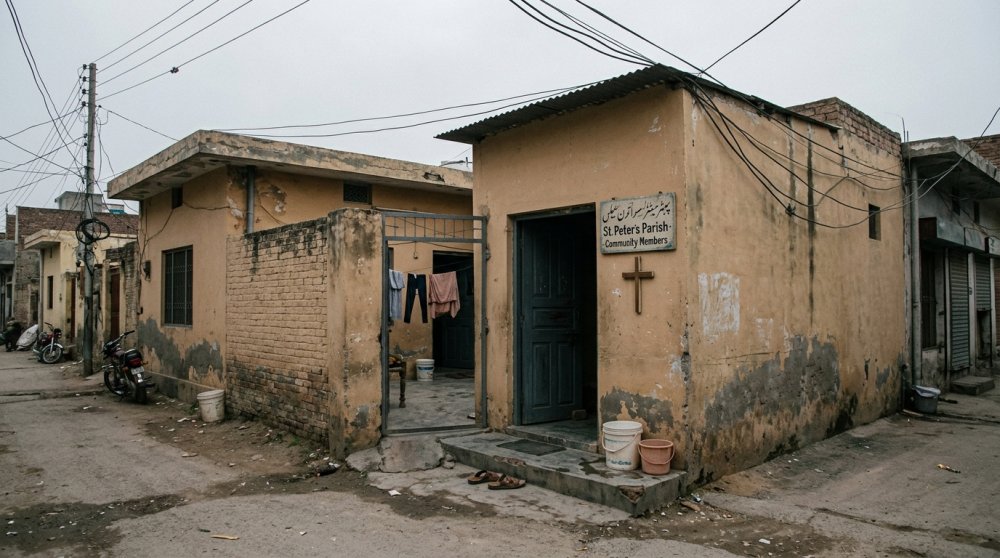
A tragic killing in Pakistan has once again highlighted the dangerous reality facing Christians in the Islamic Republic. A 21-year-old Christian woman, a wife and mother, was gunned down in her own home last week after repeatedly refusing the unwanted advances of a Muslim neighbor.
The young woman was shot dead inside her residence in Rawalpindi, a city in Punjab province. According to sources familiar with the case, the Muslim man had been persistently pursuing her despite her married status and her clear rejection of his advances.
The brutal murder is not an isolated incident but rather reflects a disturbing pattern in Pakistan, where crimes against religious minorities—particularly Christians—are often met with little to no legal consequences. Many Muslims in Pakistan operate with a sense of impunity when it comes to violence against Christians, believing they can act without facing justice.
Pakistan consistently ranks among the worst countries in the world for Christian persecution. The nation’s blasphemy laws are frequently weaponized against Christians, and incidents of violence, forced conversions, and sexual assault against Christian women and girls are alarmingly common.
The young victim’s family now faces the daunting challenge of seeking justice in a legal system that has historically failed to protect religious minorities. Christian advocacy groups have long documented how police and courts in Pakistan often dismiss or minimize crimes against Christians, leaving families without recourse.
This killing serves as yet another reminder of the urgent need for international attention and pressure on Pakistan to protect its Christian minority. American Christians must continue to stand in prayer and advocacy for our persecuted brothers and sisters who face daily threats simply for professing faith in Christ.
The incident underscores the reality that religious freedom remains under severe threat in many parts of the world, and that the price of faith can be the ultimate sacrifice for believers in hostile environments.
Let us know what you think, please share your thoughts in the comments below.


-

 Self-Reliance1 year ago
Trump’s Bold Move Uncovers Massive Social Security Fraud
-

 Faith1 year ago
New Clues Emerge in Noah’s Ark Mystery
-

 News2 years ago
Governor Walz’s Rhetoric Sparks National Controversy
-

 News1 year ago
Mel Gibson’s ‘The Passion of the Christ’ Sequel Title Announced
-

 Family1 year ago
Texas Lawmaker Targets Furries in Schools
-

 Freedom1 year ago
Maine Lawmaker Challenges Sports Fairness Controversy
-

 Family1 year ago
Canada’s Controversial Policy Sparks Ethical Debate
-
Faith10 months ago
Congress Hears Pleas for Nigerian Christians