
Faith
Can We Trust the Bible Today?

Faith Facts
- The Bible is a collection of 66 books from various authors, spanning centuries and genres, shaping faith and culture globally.
- Archaeology and ancient literature provide external evidence supporting biblical accounts, including artifacts and writings from other civilizations.
- Thousands of biblical manuscripts, combined with scholarly translation efforts, uphold the Bible’s reliability and message over time.
The reliability of the Bible is a foundational question that influences Christian faith, morality, and worldview. Many wonder if this ancient book stands as a trustworthy source of truth amid modern skepticism.
The Bible’s influence on history and culture is unmatched, reaching across nations and languages and impacting law, literature, music, and art.
Archaeological discoveries, such as the Merneptah Stele, confirm the existence of people and places mentioned in Scripture, supporting its historical credibility.
Ancient records from Assyria, Jewish historian Josephus, and Roman historian Tacitus further validate events and persons found in the Bible.
Biblical manuscripts outnumber those of any other ancient text, with copies and fragments dating incredibly close to their original composition, confirming scriptural integrity.
Questions about contradictions often result from misunderstanding literary designs, as biblical authors used themes and structure unique to their time.
Dedicated scholars work tirelessly to ensure faithful translations, drawing on ancient manuscripts for accuracy and clarity in every language.
For Christians, the Bible is not just a historical artifact, but the inspired Word of God, offering guidance and hope based on unchanging divine truth.

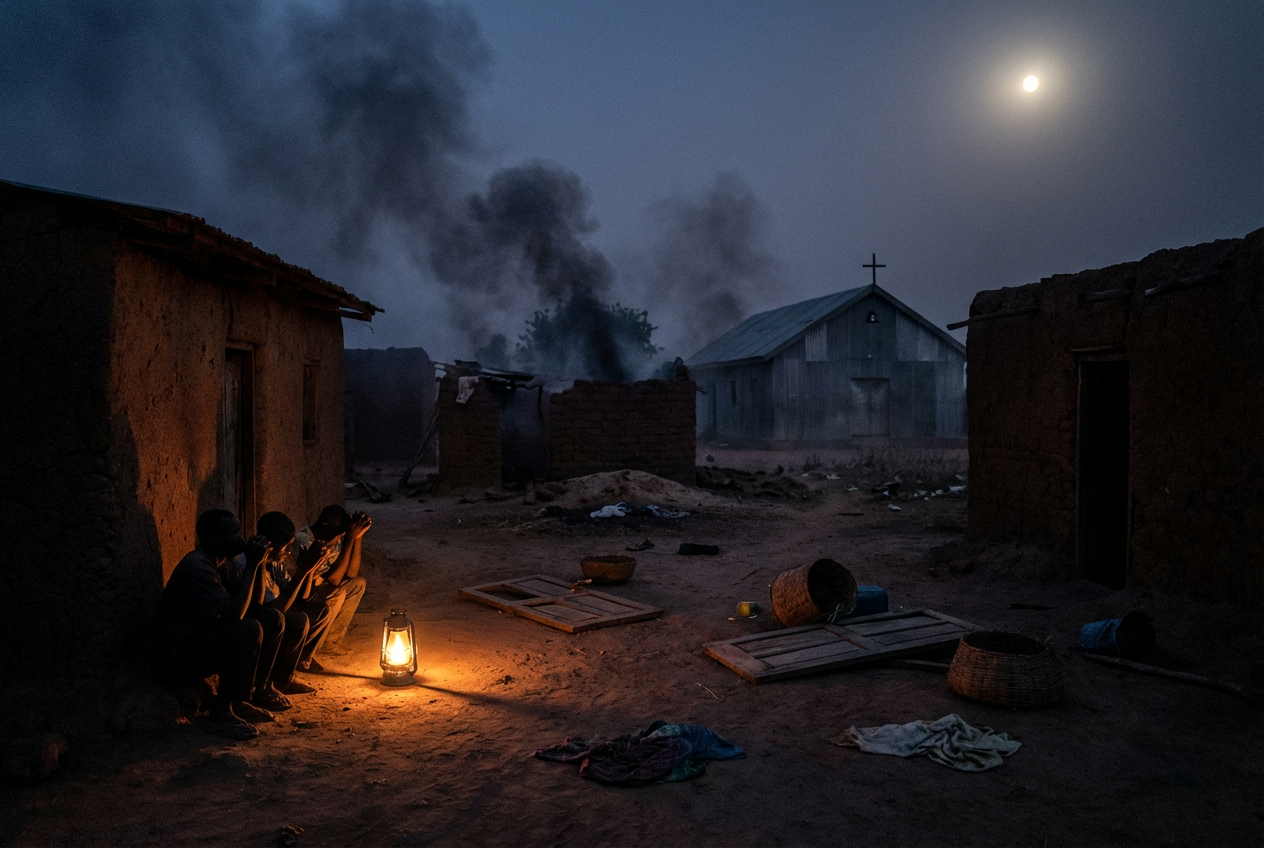
Suspected Fulani herdsmen attacked Dorowa Maitozo village in Kaduna State, Nigeria, on February 26, killing Rev. Joshua Ajiya of the Evangelical Reformed Church of Christ.
Dozens of Christians were abducted during the nighttime assault on this faithful community, highlighting escalating persecution.
Faith Facts
- Rev. Ajiya served the Dorowa congregation for just two months before his martyrdom.
- Village residents face repeated bandit threats amid land grabs to impose Islam.
- Nigeria recorded 3,490 faith-based Christian killings, 72% of global total.
“Fulani bandits attacked Dorowa community in Maitozo, located in Ninzo Chiefdom in Sanga Local Police Area of Kaduna state,” Pastor Emmanuel Stephen said.
“The attack tragically led to the killing of Rev. Joshua Ajiya, a pastor of the ERCC Church congregation in Dorowa community.”
“May God comfort the affected families and continue to protect our communities during this difficult time,” resident Thomas Hassan said.
“They adopt a comparable strategy to Boko Haram and ISWAP and demonstrate a clear intent to target Christians and potent symbols of Christian identity,” a UK report states.
These jihadist assaults echo Biblical persecution, urging believers to remember those suffering as bound with them (Hebrews 13:3); pray fervently for Nigerian saints defending faith amid terror.
Faith
Concerns Mount as Court Rulings Test Believers’ Religious Liberties Despite Hope in Divine Justice
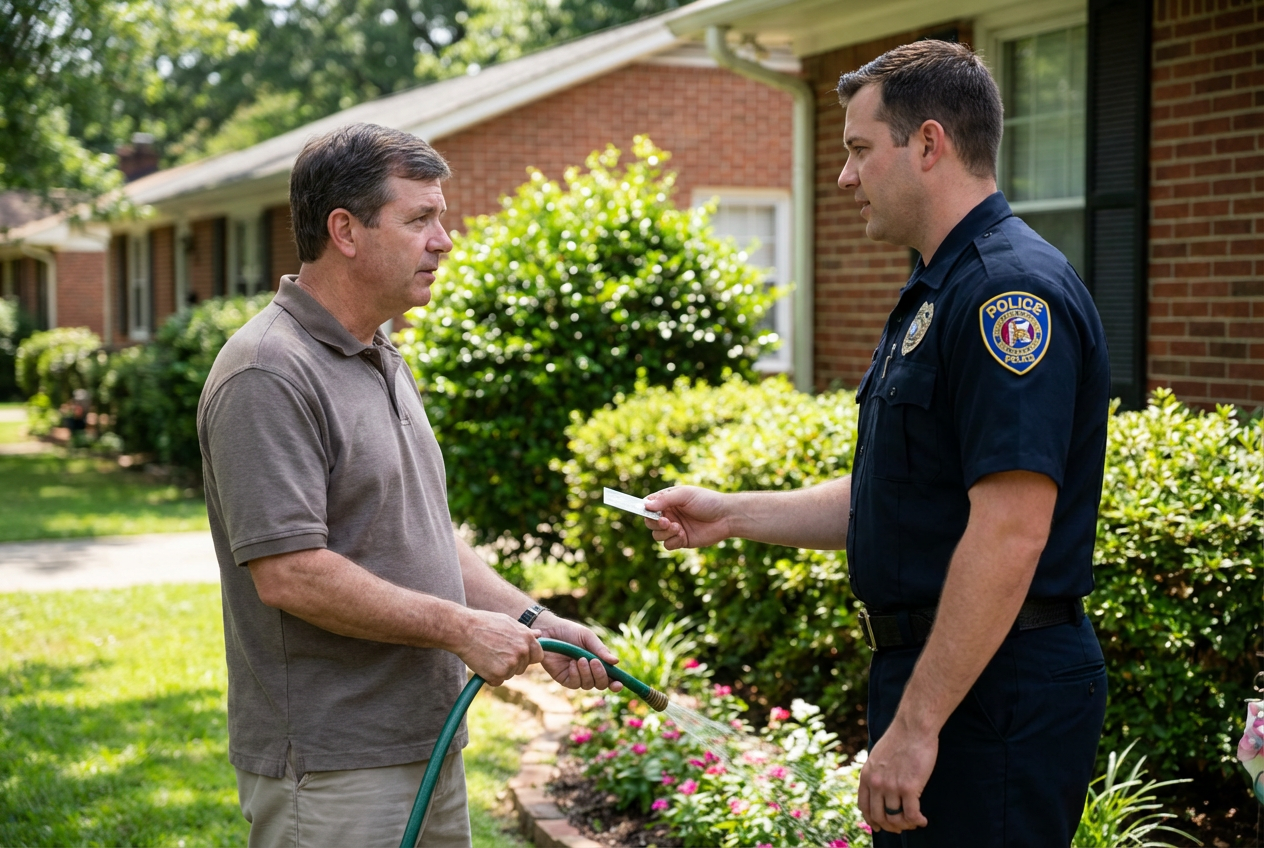
The Alabama Supreme Court ruled that police can require physical identification during investigative stops if a suspect’s response is incomplete, in a case involving Pastor Michael Jennings arrested while watering a neighbor’s plants.
This decision emphasizes the biblical call to submit to governing authorities as outlined in Romans 13, upholding law and order to protect communities grounded in faith and freedom.
Faith Facts
- Pastor Jennings was arrested in 2022 despite identifying himself verbally and neighbor confirmation of his legitimacy.
- Majority opinion by Justice Sellers clarifies Ala. Code § 15-5-30 empowers officers with reasonable suspicion to demand physical ID.
- Ruling questions a federal appeals court decision, prioritizing state law on cooperation with law enforcement.
As Christians, let us pray for wisdom for our judges and officers, standing firm for godly order in our nation. Subscribe to Faith and Freedom Report to stay informed and defend our values.

Faith Facts
- Scottish MSPs voted 69-57 against legalizing assisted suicide for terminally ill adults.
- Christian leaders praise the decision as affirming life’s sacred value from God.
- MSPs urged to prioritize palliative care over death for the vulnerable.
The Scottish Parliament has rejected a bill to legalize assisted suicide in a historic vote, upholding the sanctity of life.
This outcome protects the vulnerable from coercion and safeguards true compassion rooted in Christian values.
Simon Calvert of The Christian Institute said: “We thank God that MSPs got the message that they simply could not pass this wretched bill.”
“I think the lesson for Holyrood – and for Westminster too – is that there is no such thing as a ‘safe’ assisted suicide bill.”
Rev. Alasdair Macleod of the Free Church stated: “This decision affirms that every human life is precious and worthy of protection.”
“As Christians we believe that human life is a gift from God, and that our calling as a society is to care for one another, especially in times of weakness.”
Bishop John Keenan affirmed: “Every human life possesses inherent value.
Genuine compassion is not expressed through ending a life, but through accompanying those who suffer.”
Praise God for Scotland’s stand for life, family, and freedom—now let’s champion world-class palliative care to honor the suffering with Christ’s love.


-

 Self-Reliance12 months ago
Trump’s Bold Move Uncovers Massive Social Security Fraud
-

 Faith11 months ago
New Clues Emerge in Noah’s Ark Mystery
-

 News1 year ago
Governor Walz’s Rhetoric Sparks National Controversy
-

 Family12 months ago
Texas Lawmaker Targets Furries in Schools
-

 News12 months ago
Mel Gibson’s ‘The Passion of the Christ’ Sequel Title Announced
-

 Freedom12 months ago
Maine Lawmaker Challenges Sports Fairness Controversy
-

 Family10 months ago
Canada’s Controversial Policy Sparks Ethical Debate
-
Faith4 months ago
Congress Hears Pleas for Nigerian Christians