
Faith
Shack Co-Creator Reveals Early Draft’s Dangerous Theology


Faith Facts
- Wayne Jacobsen, co-creator of ‘The Shack,’ revealed the original manuscript embraced universalism, a heretical belief that all people will ultimately be saved regardless of faith in Christ.
- Jacobsen refused to help rewrite the book until author Paul Young removed the universalist theology from the manuscript.
- An ‘unplanned sequel’ is now in development, addressing theological criticisms that have followed the controversial novel for years.
Wayne Jacobsen, the co-creator behind the bestselling Christian novel “The Shack,” has come forward with striking revelations about the book’s earliest version. In a candid disclosure, Jacobsen acknowledged that the original draft contained universalist theology—a belief system that contradicts core Christian doctrine by suggesting all people will ultimately be reconciled to God, regardless of whether they accept Jesus Christ as their Savior.
The admission sheds new light on the theological controversies that have surrounded “The Shack” since its publication. For years, Christian leaders and theologians have expressed concern about the book’s portrayal of God and salvation, questioning whether it aligned with biblical truth.
According to Jacobsen, he took a firm stand when he first encountered the universalist elements in the manuscript. He made it clear to author Paul Young that he would not participate in the project unless the problematic theology was addressed and removed. This ultimatum proved pivotal in shaping the final version of the book that millions of readers would eventually encounter.
“The Shack” went on to become a cultural phenomenon, selling millions of copies and sparking widespread discussion within Christian communities. The novel tells the story of a man who encounters God in an unexpected way following a family tragedy. While many readers found the book’s portrayal of God’s love transformative and healing, critics consistently raised red flags about its theological implications.
The revelation about universalism in the early draft validates concerns that many discerning Christians expressed from the beginning. Universalism stands in direct opposition to Scripture’s clear teaching that salvation comes only through faith in Jesus Christ. As Jesus Himself declared, “I am the way, the truth, and the life. No one comes to the Father except through me.”
Now, Jacobsen has announced that an “unplanned sequel” is in the works. This new book appears designed to address the theological criticism that has followed “The Shack” throughout its existence. The decision to create a follow-up work suggests an awareness of the concerns raised by the Christian community and potentially an opportunity to clarify or correct theological misunderstandings.
The timing of these revelations raises important questions for Christian readers. How should believers approach popular Christian fiction that may contain questionable theology? What responsibility do Christian authors and publishers have to ensure their work aligns with biblical truth?
For many in the faith community, Jacobsen’s willingness to take a stand against universalism in the original manuscript demonstrates the importance of theological integrity. His refusal to proceed without changes shows that even in creative works, there are non-negotiable biblical truths that must be honored.
The upcoming sequel may provide an opportunity for greater clarity on the theological questions that have long surrounded “The Shack.” Whether it will fully address the concerns of orthodox Christian theologians remains to be seen. As with any work of Christian literature, believers must approach it with discernment, testing everything against the clear teaching of Scripture.
The story serves as a reminder that popularity does not equal theological soundness. Even well-intentioned Christian fiction must be evaluated carefully to ensure it leads readers toward biblical truth rather than away from it. As the Apostle Paul warned the early church, we must be vigilant against teachings that sound appealing but ultimately distort the gospel message.
Let us know what you think, please share your thoughts in the comments below.

Faith Facts
- A German evangelical leader has called for Christians to respond with measured concern following the far-right Alternative for Germany (AfD) party’s decisive victory in Sunday’s state election in Saxony-Anhalt
- The AfD fell just short of securing an outright majority in the state election, marking a significant political shift in the region
- Evangelical leaders are urging believers to engage thoughtfully with the political changes while upholding Christian values and principles
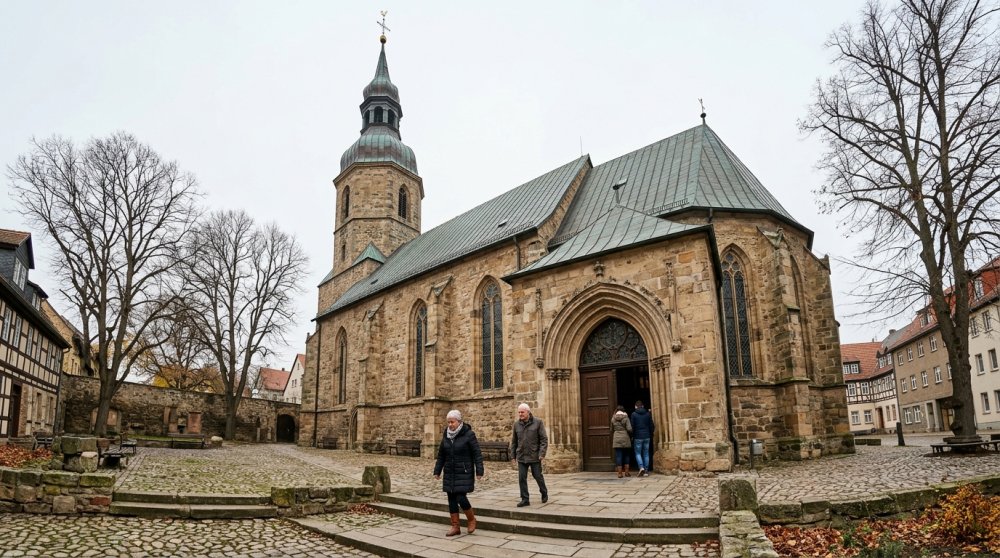
Christian leaders in Germany are navigating uncertain political waters after a dramatic shift in their nation’s electoral landscape. The Alternative for Germany party secured a powerful showing in Sunday’s state election, prompting church leaders to call for both vigilance and wisdom among the faithful.
The AfD’s near-majority performance in Saxony-Anhalt represents one of the most significant political developments in recent German history. The party has been characterized by its strong stance on immigration, national sovereignty, and cultural preservation—issues that resonate with many voters but have also sparked considerable debate within Christian communities.
German evangelical leaders are emphasizing the importance of Christians remaining engaged in the democratic process while maintaining their commitment to biblical principles. The call for a “measured response” reflects the tension many believers face when navigating political movements that may align with some traditional values while potentially conflicting with Christian teachings on compassion and human dignity.
This electoral outcome mirrors broader trends across Europe, where concerns about national identity, immigration policy, and cultural change have driven voters toward parties promising stronger borders and preservation of traditional ways of life. For Christians, these political shifts present both opportunities and challenges in living out their faith in the public square.
The situation in Germany serves as a reminder that believers worldwide must carefully discern how to engage with political movements, supporting policies that align with biblical values while ensuring that Christian witness remains centered on the gospel message of hope and redemption for all people.
As political landscapes continue to shift across the Western world, American Christians can learn from their German brothers and sisters about the importance of prayerful discernment and principled engagement in civic life.
Let us know what you think, please share your thoughts in the comments below.
Faith Facts
- More than 30 Christians were killed in Plateau state, Nigeria over the past month in targeted attacks
- Suspected Fulani herdsmen are believed to be responsible for the ongoing violence against Christian communities
- The attacks represent a continuing pattern of persecution against believers in Nigeria’s Middle Belt region
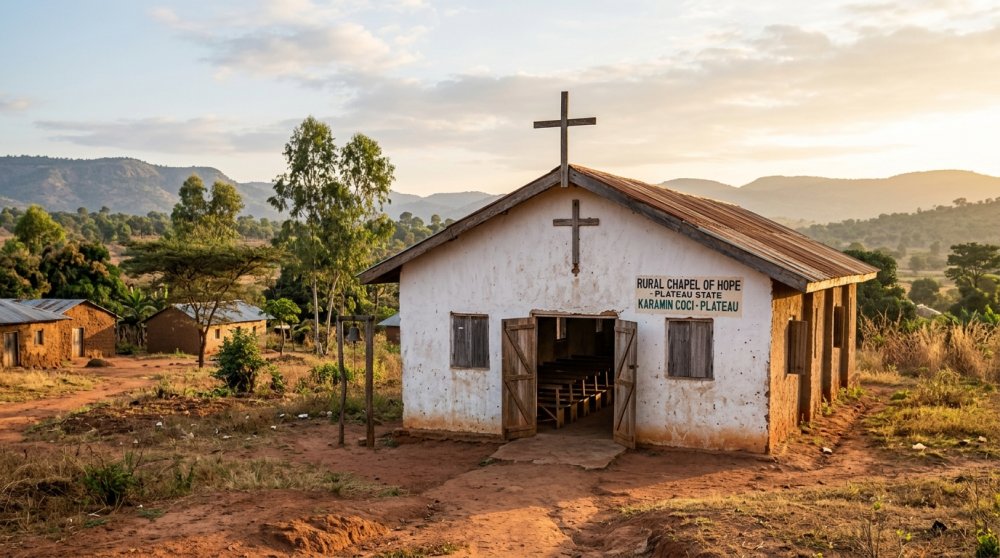
A devastating series of attacks has claimed the lives of more than 30 Christians in Nigeria’s Plateau state over the past month, according to sources on the ground. The violence underscores the ongoing persecution facing believers in the region.
Suspected Fulani herdsmen are believed to be responsible for the deadly attacks targeting Christian communities. These attacks continue a troubling pattern of violence that has plagued Nigeria’s Middle Belt for years, where Christian farmers and Muslim herders have clashed with increasing frequency and brutality.
Plateau state has long been a flashpoint for religious and ethnic violence in Nigeria. The region sits in the country’s Middle Belt, where the predominantly Muslim north meets the Christian-majority south, making it particularly vulnerable to sectarian conflict.
The attacks on Christian communities have drawn international concern about religious freedom and the safety of believers in Nigeria. Nigeria consistently ranks among the most dangerous countries in the world for Christians, with thousands killed in recent years in attacks by both Fulani militants and the terrorist group Boko Haram.
Local believers continue to face threats to their lives, livelihoods, and ability to worship freely. The violence has displaced countless families and devastated communities throughout the region.
American Christians are urged to remember their Nigerian brothers and sisters in prayer as they face this ongoing persecution. The situation demands continued international attention and advocacy for the protection of religious minorities.
Let us know what you think, please share your thoughts in the comments below.
Faith Facts
- Women report significantly higher satisfaction with their churches’ Bible teaching and spiritual development programs than men
- Gender gaps in church confidence reveal different spiritual needs between male and female congregants
- Level of Scripture engagement directly correlates with trust in pastoral leadership and church effectiveness
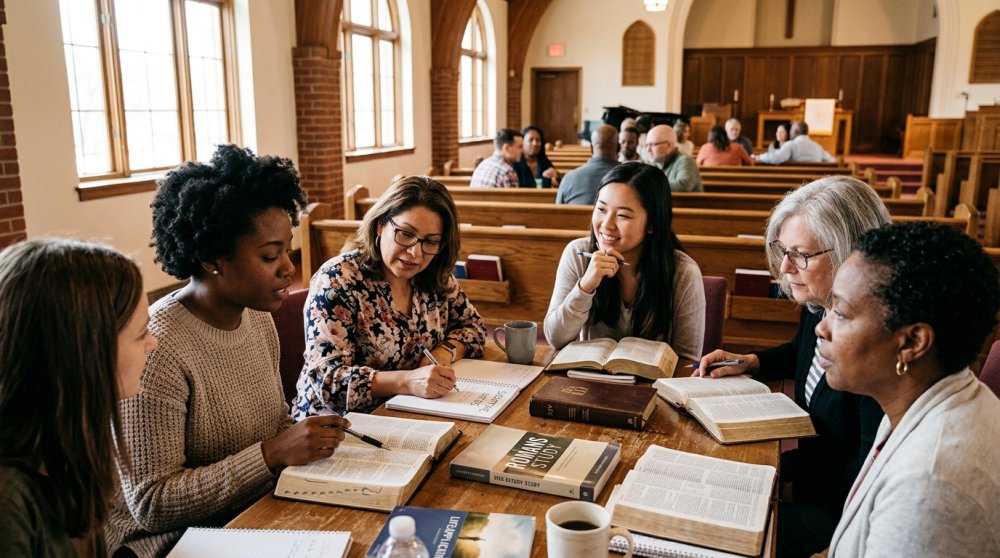
A revealing new study has uncovered important differences in how men and women experience their local churches, with women expressing notably higher satisfaction with their congregations’ efforts to promote spiritual growth and biblical understanding.
The research highlights a growing challenge facing American churches: reaching men as effectively as women. While most Americans report general satisfaction with their churches’ spiritual development programs, the data reveals significant gender-based disparities that church leaders cannot afford to ignore.
Women consistently rate their churches more positively across multiple categories, particularly in areas of Bible teaching and spiritual formation. This pattern suggests that contemporary church programming may be more aligned with women’s spiritual needs and learning styles than men’s.
The study also uncovered a direct connection between Scripture engagement and confidence in church leadership. Congregants who regularly read and study the Bible demonstrate markedly higher levels of trust in their pastors and satisfaction with their church’s spiritual guidance.
This correlation underscores a fundamental principle of Christian discipleship: personal engagement with God’s Word strengthens believers’ connection to the church body and its leadership. Those who are deeply rooted in Scripture appear better equipped to recognize and appreciate sound biblical teaching.
The gender gap in church satisfaction raises important questions for pastoral leadership. Why are men less satisfied with their churches’ efforts? Are churches inadvertently creating environments that appeal more to women than men? These questions demand thoughtful consideration and strategic response.
Churches that successfully engage both men and women tend to offer diverse teaching formats, practical application of biblical principles, and opportunities for service that align with different gifts and callings. Gender-specific ministries, when done well, can address the unique spiritual needs of men and women without segregating the body of Christ.
The findings also reinforce the central importance of biblical literacy in church health. Congregations that prioritize Scripture engagement create members who are not only more satisfied but also better equipped to discern truth and grow in their faith.
For church leaders, this research provides both encouragement and a call to action. While most congregants appreciate their churches’ spiritual development efforts, there remains significant room for improvement, particularly in reaching and discipling men.
The data suggests that churches should evaluate their programming through a gender-aware lens, ensuring that teaching methods, small group structures, and ministry opportunities serve the entire congregation effectively. This doesn’t mean compromising biblical truth or creating separate experiences, but rather presenting timeless truth in ways that connect with different learning preferences.
Ultimately, the goal remains unchanged: making disciples who are thoroughly equipped through God’s Word. The challenge is ensuring that both men and women find their churches to be places where Scripture comes alive, spiritual growth is prioritized, and faith is strengthened through sound teaching and genuine community.
Let us know what you think, please share your thoughts in the comments below.


-

 Self-Reliance1 year ago
Trump’s Bold Move Uncovers Massive Social Security Fraud
-

 Faith1 year ago
New Clues Emerge in Noah’s Ark Mystery
-

 News1 year ago
Governor Walz’s Rhetoric Sparks National Controversy
-

 News1 year ago
Mel Gibson’s ‘The Passion of the Christ’ Sequel Title Announced
-

 Family1 year ago
Texas Lawmaker Targets Furries in Schools
-

 Freedom1 year ago
Maine Lawmaker Challenges Sports Fairness Controversy
-

 Family1 year ago
Canada’s Controversial Policy Sparks Ethical Debate
-
Faith10 months ago
Congress Hears Pleas for Nigerian Christians