
Faith
Texas Democrat Invokes Jesus to Defend Government Healthcare Expansion

Faith Facts
- Democratic Senate candidate James Talarico cited Jesus Christ to justify his government healthcare agenda during a podcast appearance with billionaire Mark Cuban
- Talarico, a former seminary student, has a history of using Scripture to advance progressive political positions
- The candidate’s invocation of Christian faith to promote expanded government control raises questions about the proper relationship between religious belief and healthcare policy
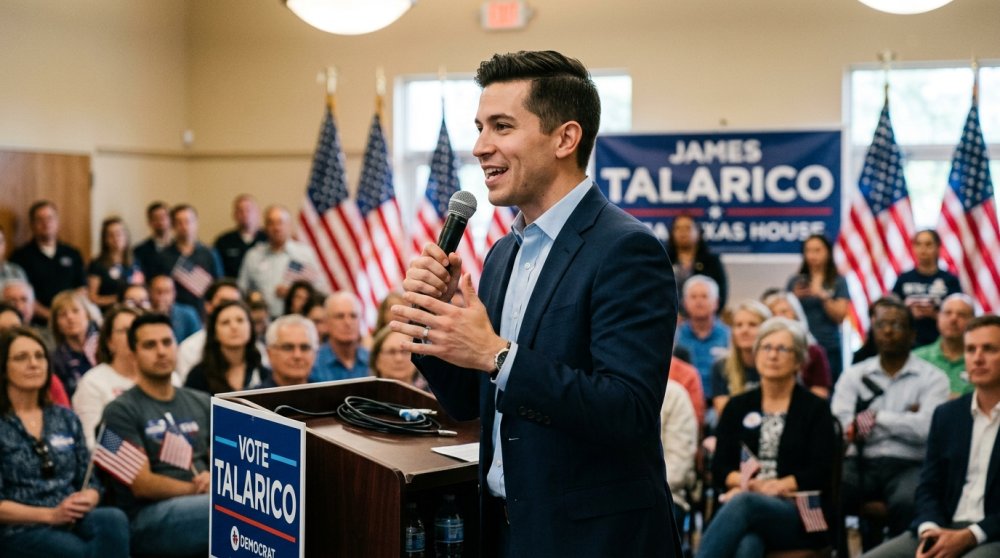
Texas Democratic Senate candidate James Talarico turned to Scripture during a live podcast appearance last Saturday, invoking the name of Jesus Christ to promote his vision for government-run healthcare expansion.
Speaking with billionaire entrepreneur Mark Cuban, Talarico framed his healthcare proposal as a Christian mandate. The candidate, who previously attended seminary, has built a political brand around citing biblical passages to support progressive policy positions.
.@JamesTalarico: If you go back and read the New Testament — even if you’re not a Christian — go back and see what Jesus spends most of his time doing.
It’s not preaching, it’s not teaching. It’s healing.
That is what we are called to do — whether you’re religious or not — is… pic.twitter.com/7bStZYxJwu
— Team Talarico (@TeamTalaricoHQ) August 29, 2026
The appearance marks the latest example of Democratic politicians attempting to use Christian language and imagery to advance government expansion into healthcare. Talarico’s approach raises important questions for Christian voters about the distinction between personal acts of charity and mercy—which Scripture clearly commands—and coercive government programs funded through taxation.
Throughout American history, Christians have led the way in establishing hospitals, charitable clinics, and medical missions. These voluntary expressions of faith-based compassion differ fundamentally from government mandates that redistribute wealth through centralized bureaucratic control.
Conservative Christians have long argued that while believers are called to care for the sick and vulnerable, this biblical duty does not automatically translate into support for expanding government authority over healthcare decisions. The question is not whether Christians should care for those in need, but rather what role government should play in that care.
Talarico’s candidacy has drawn attention for his regular invocations of Scripture to support positions traditionally associated with the political left. Critics argue this approach conflates political ideology with biblical teaching, potentially misleading voters about what Scripture actually requires of believers and government.
The intersection of faith and healthcare policy remains a complex issue for Christian voters. While compassion for the sick is undeniably biblical, many believers hold that limited government, personal responsibility, and private charity better reflect a Christian worldview than expanded federal control.
As the Senate race continues, Texas voters of faith will need to carefully consider whether candidates are faithfully applying biblical principles or simply using religious language to advance predetermined political agendas. The distinction matters greatly for both the integrity of Christian witness and the future direction of healthcare policy.
Let us know what you think, please share your thoughts in the comments below.


Faith Facts
- Research from the Institute for Family Studies shows couples with different last names divorce at a 50% higher rate.
- A shared family name reflects the biblical call for husband and wife to become one flesh in covenant marriage.
- Taking a husband’s last name serves as a visible sign of leaving, cleaving, and surrender within Christian marriage.
New research is shining a light on a simple yet profound tradition many Christian couples continue to embrace.
Couples who choose to keep separate last names after marriage face a divorce rate 50% higher than those who share one name, according to findings from the Institute for Family Studies.
“A shared name is an outward sign of the leaving, cleaving and covenantal surrender at the heart of biblical marriage,” the report notes.
This practice aligns with Scripture’s description of marriage as a lifelong union where two become one, both in spirit and in name.
Christian wives who adopt their husband’s surname often see it as an act of unity and humility that strengthens their household witness.
Let us know what you think, please share your thoughts in the comments below.

Faith Facts
- The Message Bible paraphrase author Eugene Peterson passed away this week in Christian history.
- The Edict of Nantes, which granted religious freedom to French Protestants, was revoked in the seventeenth century.
- Christian history continues to record both faithful perseverance and grave setbacks for believers.
Christian history is filled with moments that shaped the Church, from milestones and triumphs to tragedies and controversies, as well as the lasting impact of influential believers. These events remind believers of the enduring cost of standing for the faith once delivered to the saints.
Each week brings fresh reminders that the Church has weathered storms and celebrated victories for centuries. Remembering these milestones helps strengthen the resolve of Christians today to hold fast to biblical truth.
Let us know what you think, please share your thoughts in the comments below.
Faith Facts
- Tony Dungy has consistently spoken about his Christian faith throughout his NFL coaching career and broadcasting work.
- Dungy has been a vocal advocate for pro-life causes, aligning with traditional Christian teachings on the sanctity of life.
- His commitment to living out biblical principles publicly has been a hallmark of his career in professional sports.
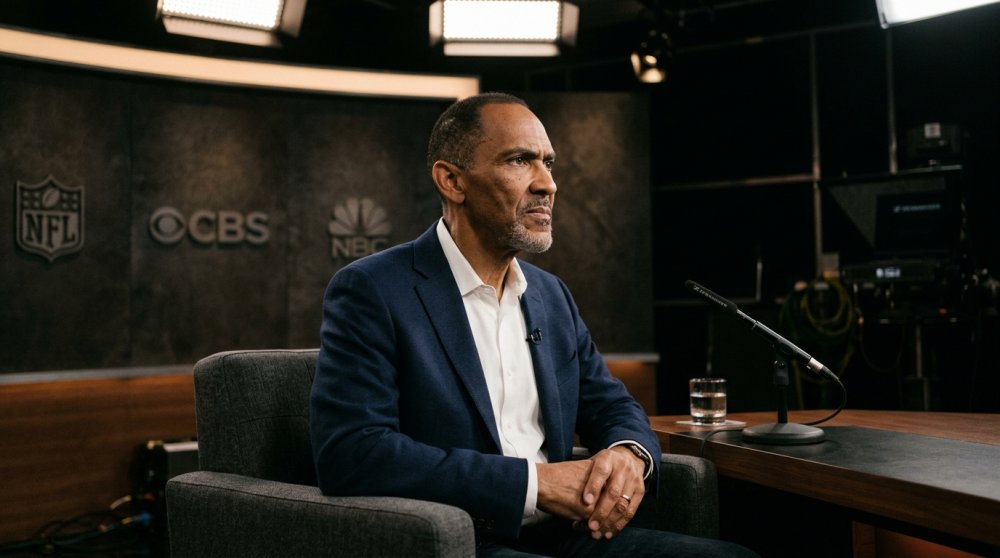
Former NFL coach and longtime sportscaster Tony Dungy suggested his pro-life activism and willingness to speak publicly about his Christian faith may have contributed to his departure from NBC Sports, though he said he cannot be certain.
Though Dungy did not accuse NBC of discrimination, his comments raised questions about how networks value employees who openly share their faith. He indicated that networks sometimes prefer commentators who keep their beliefs private.
“They don’t always appreciate you speaking about your faith,” Dungy said.
His departure comes as more Christian athletes and coaches face pressure to remain silent about their beliefs in mainstream media. Dungy’s experience highlights the tension between personal conviction and corporate expectations in today’s sports broadcasting landscape.
“It’s something that I’ve always tried to do,” he added, referring to his habit of sharing his faith when opportunities arise.
Let us know what you think, please share your thoughts in the comments below.


-

 Self-Reliance2 years ago
Trump’s Bold Move Uncovers Massive Social Security Fraud
-

 Faith2 years ago
New Clues Emerge in Noah’s Ark Mystery
-

 News2 years ago
Governor Walz’s Rhetoric Sparks National Controversy
-

 News2 years ago
Mel Gibson’s ‘The Passion of the Christ’ Sequel Title Announced
-

 Family2 years ago
Texas Lawmaker Targets Furries in Schools
-

 Freedom2 years ago
Maine Lawmaker Challenges Sports Fairness Controversy
-

 Family1 year ago
Canada’s Controversial Policy Sparks Ethical Debate
-
Faith11 months ago
Congress Hears Pleas for Nigerian Christians