
Faith
Wellness Movement Overlooks Major Concern for Women’s Health


Faith Facts
- Pro-life advocates argue hormonal contraception represents a significant oversight in the natural wellness movement
- The Society for the Protection of Unborn Children calls for greater scrutiny of contraception’s health effects on women
- Growing consumer interest in clean living has not extended to questioning synthetic hormone use
As American women increasingly embrace clean eating, natural products, and holistic wellness, a prominent pro-life organization is raising questions about a major inconsistency in this health-conscious movement.
The Society for the Protection of Unborn Children (SPUC) argues that while consumers carefully scrutinize ingredients in their food and personal care products, hormonal contraception receives remarkably little examination despite its powerful effects on women’s bodies.
This observation highlights a troubling disconnect in modern wellness culture. Women who refuse to consume artificial sweeteners or chemical preservatives often think nothing of introducing synthetic hormones into their systems daily for years or even decades.
The pro-life group contends that the widespread acceptance of hormonal birth control represents a significant “blindspot” in women’s health discussions. Despite the wellness industry’s emphasis on natural living and avoiding synthetic chemicals, contraceptive hormones are rarely questioned with the same rigor applied to other pharmaceutical interventions.
This issue touches on fundamental questions about how our society values women’s health and fertility. The normalization of suppressing healthy bodily functions through synthetic hormones stands in stark contrast to wellness principles that emphasize working with the body’s natural rhythms rather than against them.
For Christian conservatives who prioritize both life and authentic health, this inconsistency raises important concerns. The same culture that celebrates organic produce and chemical-free cosmetics has largely ignored potential long-term health implications of hormonal contraception.
SPUC’s observation invites a broader conversation about medical treatments that have become so commonplace they escape critical examination. As Americans become more discerning consumers of health information, questions about contraception’s effects deserve the same thoughtful consideration given to other wellness choices.
The organization’s stance reflects a growing awareness that true women’s health advocacy must include honest discussions about all factors affecting female well-being, including widely accepted medical practices that may carry underappreciated risks.
Let us know what you think, please share your thoughts in the comments below.

Faith Facts
- Andrea Williams of Christian Concern states that a nativity-themed drag show ridicules Jesus Christ.
- Over 137,000 people signed a petition opposing the explicit event.
- God will not be mocked.
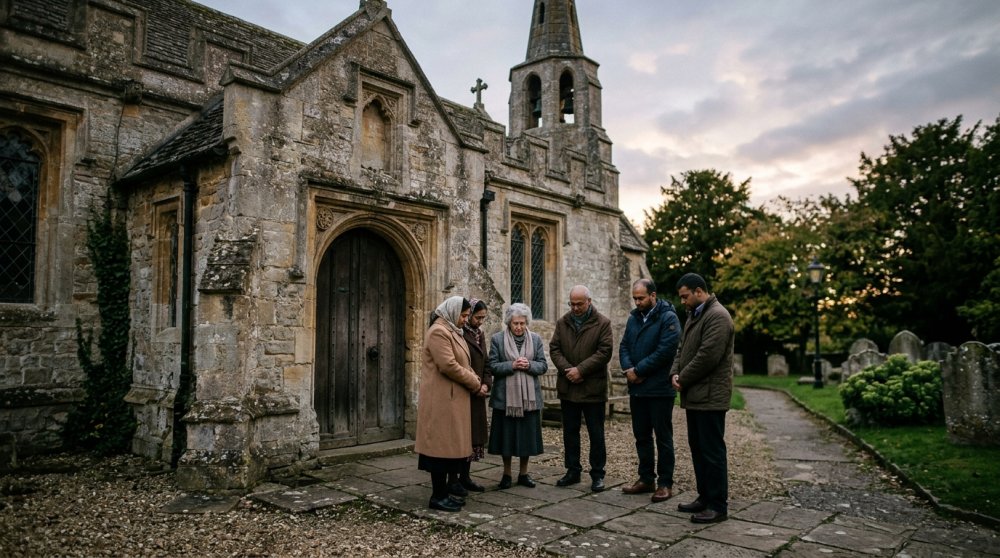
A nativity-themed drag show that ridicules Jesus is not the biggest issue facing the UK Church, admits Christian Concern’s Andrea Williams. But the 137,000 people who have signed a petition against it were right to do so, she says.
God will not be mocked.
Let us know what you think, please share your thoughts in the comments below.
Faith Facts
- Thanksgiving is a national holiday rooted in gratitude to God.
- Scripture calls believers to give thanks in all circumstances.
- Christian families can lead the way in making gratitude a spiritual practice.
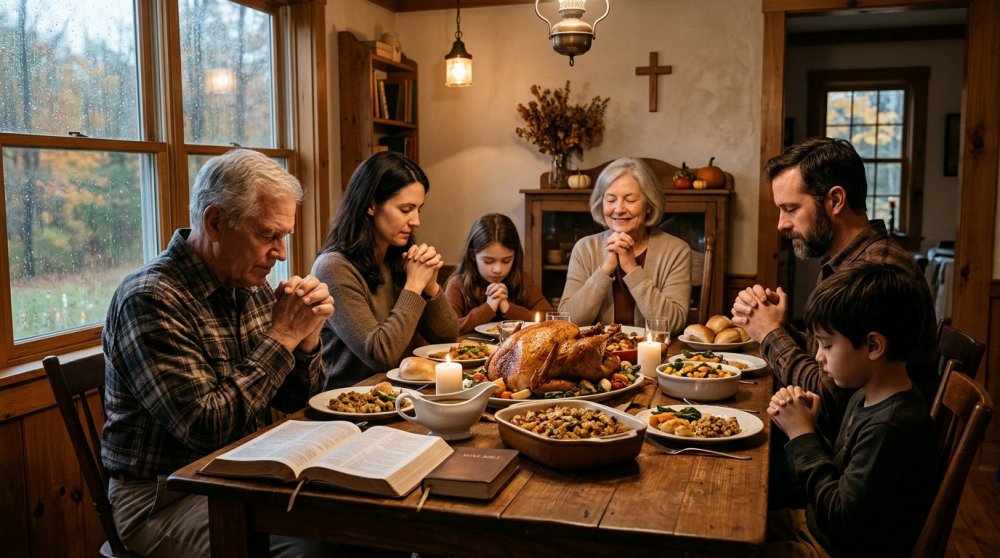
As families across the United States prepare to celebrate Thanksgiving, many will gather around the table to share a meal and reflect on what they are grateful for, such as loved ones, their career or God’s blessings in their season of life.
With the holiday season approaching, the call to keep Christ central in our celebrations grows stronger.
Believers have an opportunity to turn a national day of gratitude into a deeply spiritual occasion.
Here are five practical ways to keep the focus on Jesus during the Thanksgiving feast.
Start the day with Scripture and prayer.
Before the turkey is carved or the football game begins, gather the family around an open Bible.
Reading passages like Psalm 100 or Colossians 3:15-17 sets a reverent tone for the entire day.
“Give thanks to the Lord, for he is good; his love endures forever,” the psalmist declares, reminding every generation of the source of every blessing.
Invite guests to share testimonies of God’s faithfulness.
Instead of a generic gratitude round, ask each person to mention one specific way the Lord has provided or protected in the past year.
This simple exercise turns conversation into worship.
Make the meal itself an act of worship.
Prayer before the meal can be expanded into a time of thanksgiving for the hands that prepared the food, the farmers who grew it, and the God who sustains life.
Recognizing God’s provision at every step keeps material blessings from becoming the main focus.
Limit distractions that pull hearts away from the Lord.
While parades and games have their place, setting boundaries on screen time protects the sacredness of the gathering.
Families that choose intentional presence over constant entertainment often find deeper conversations and richer fellowship.
End the day with a family blessing.
Whether around the table after dessert or in the living room before guests depart, a closing prayer of dedication recommits every heart to the Lord.
Thanking God for the gift of one another reinforces that relationships themselves are evidence of His grace.
By weaving these simple practices into the holiday, Christian households can transform Thanksgiving from a cultural event into a true day of worship.
Let us know what you think, please share your thoughts in the comments below.

Faith Facts
- Jacob and Esau were twin brothers whose lives reveal deep lessons about reconciliation and divine purpose.
- Hebrew scholars continue to study the biblical account to draw wisdom for today’s divided culture.
- Traditional Christian teaching emphasizes forgiveness and restoration between estranged family members.
Jewish academic and Hebrew scholar Irene Lancaster explores the rabbinic interpretation of Jacob’s encounter with Esau.
Her analysis highlights how ancient Jewish teachings have long focused on the themes of repentance and healing between the brothers.
The story of Jacob and Esau offers powerful insight for families seeking restoration today.
Lancaster notes that the rabbinic texts do not merely recount a family reunion, but instead present a model for resolving conflict through humility and faith.
“The encounter between Jacob and Esau is not just a personal story—it is a template for how God brings healing to broken relationships.”
These interpretations resonate with Christian readers who see the account as a foreshadowing of reconciliation through Christ.
Let us know what you think, please share your thoughts in the comments below.


-

 Self-Reliance2 years ago
Trump’s Bold Move Uncovers Massive Social Security Fraud
-
 Faith2 years ago
New Clues Emerge in Noah’s Ark Mystery
-

 News2 years ago
Governor Walz’s Rhetoric Sparks National Controversy
-

 News2 years ago
Mel Gibson’s ‘The Passion of the Christ’ Sequel Title Announced
-

 Family2 years ago
Texas Lawmaker Targets Furries in Schools
-

 Freedom2 years ago
Maine Lawmaker Challenges Sports Fairness Controversy
-

 Family2 years ago
Canada’s Controversial Policy Sparks Ethical Debate
-
Faith1 year ago
Congress Hears Pleas for Nigerian Christians