
News
India Judiciary Faces Disturbing Decision on Missionary Murder Case

Faith Facts
- India’s judiciary must decide by August 19 whether to release the mob leader convicted of burning missionary Graham Staines and his two young sons alive in 1999
- The case represents a test of religious freedom protections in the world’s largest democracy, where anti-Christian persecution has intensified in recent years
- Christian leaders warn that releasing the convicted killer would embolden religious extremism and send a chilling message about the value of Christian lives in India
The Indian judicial system stands at a crossroads that will reveal much about the nation’s commitment to justice and religious freedom. By August 19, the courts must determine the fate of a man convicted of one of the most heinous acts of anti-Christian violence in modern Indian history.
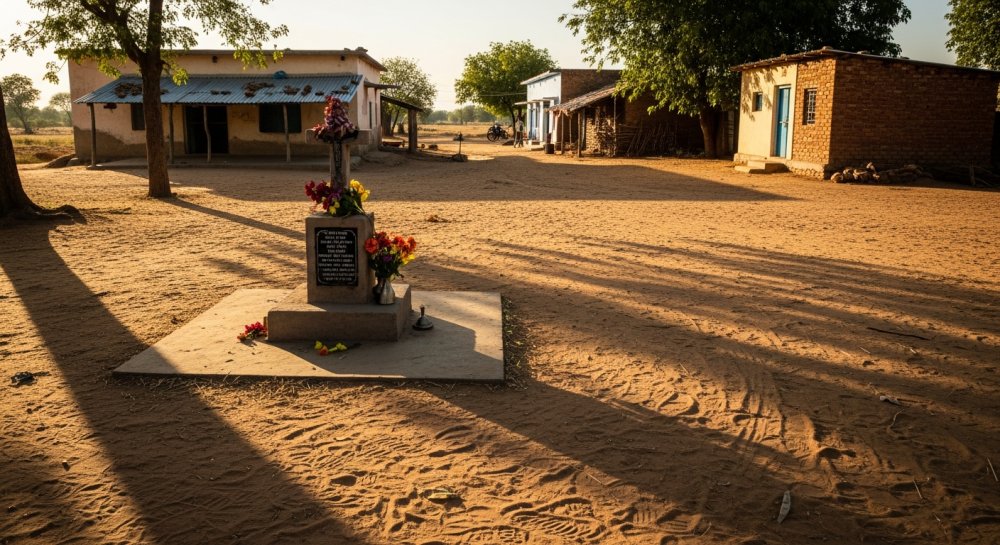
In 1999, Australian missionary Graham Staines and his two sons, Philip (10) and Timothy (6), were burned alive while they slept in their vehicle in the eastern state of Odisha. The family had devoted their lives to serving leprosy patients in some of India’s most impoverished communities. Their only “crime” was living out their Christian faith through compassionate service to the sick and suffering.
The mob leader responsible for orchestrating this horrific murder now faces the possibility of early release. This decision comes at a time when religious persecution against Christians in India has reached alarming levels, with documented attacks on churches, pastors, and believers occurring with disturbing frequency.
The Staines family represented the best of Christian missionary work—humble service, medical care for the forgotten, and the love of Christ demonstrated through action. Graham Staines had spent decades caring for leprosy patients, offering hope and healing to those society had abandoned. His wife, Gladys Staines, demonstrated remarkable Christian forgiveness after the tragedy, yet also called for justice to be served.
The potential release of this convicted killer raises profound questions about religious freedom in the world’s largest democracy. India’s constitution guarantees freedom of religion, but the practical reality for Christians has grown increasingly dangerous. Anti-conversion laws in multiple states have been weaponized against legitimate Christian ministry, and false accusations of “forced conversion” are routinely used to justify violence against believers.
This case is not merely about one man’s sentence—it represents a test of whether India will stand for the rule of law and protection of religious minorities, or whether extremist ideology will be tacitly endorsed through judicial leniency. The decision will send a powerful message, either affirming that all lives matter equally under Indian law, or suggesting that violence against Christians carries diminished consequences.
American Christians should watch this case closely and pray for our persecuted brothers and sisters in India. The United States has designated India as a “Country of Particular Concern” regarding religious freedom in the past, and this decision could influence future diplomatic and trade relations.
The blood of martyrs has always been the seed of the church, and the Staines family’s sacrifice has not been forgotten by the global Christian community. Their legacy of service continues through numerous ministries in India and beyond. But justice delayed or denied dishonors their memory and endangers countless other Christians serving faithfully in hostile environments.
As the August 19 deadline approaches, believers worldwide should lift up prayers for wisdom for India’s judiciary and protection for India’s Christian minority. The decision rendered will speak volumes about whether religious freedom and equal justice under law truly exist in modern India, or whether these are merely aspirational principles abandoned when politically inconvenient.
Let us know what you think, please share your thoughts in the comments below.

Faith Facts
- Millions of dollars have been invested to help Church of England parishes improve energy efficiency across Britain.
- Many congregations are actively moving away from oil and gas heating systems in their church buildings.
- These changes reflect the stewardship responsibility Christians hold toward God’s creation.
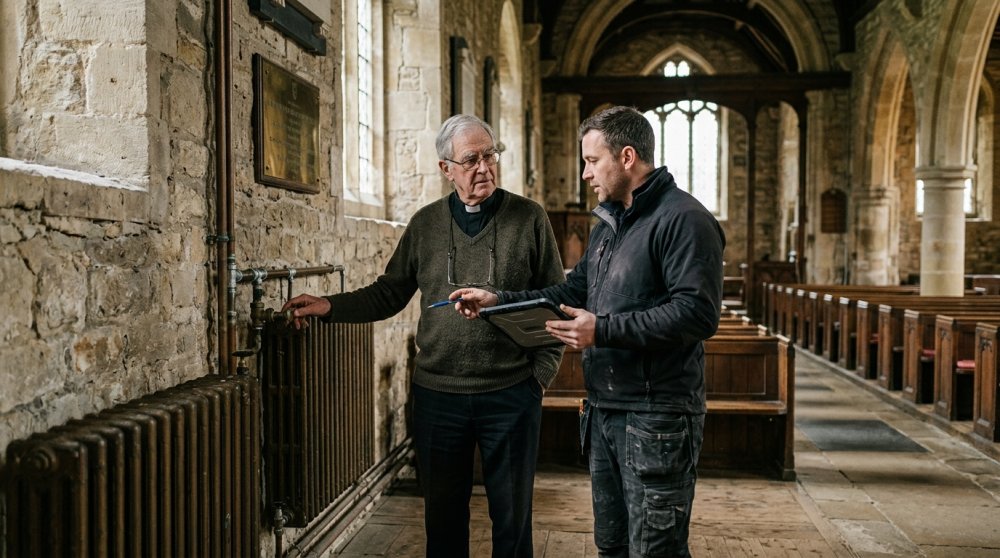
The Church of England is witnessing a growing number of parishes transitioning away from traditional oil and gas heating systems. Significant financial resources have been dedicated to this transformation across the denomination.
Energy efficiency upgrades are becoming a priority for church leaders seeking to reduce dependence on fossil fuels. The investment demonstrates a commitment to responsible stewardship of church resources.
Let us know what you think, please share your thoughts in the comments below.
Faith Facts
- Scripture calls believers to defend the oppressed and seek justice for the innocent in every nation.
- Christians worldwide continue to pray for religious liberty and fair treatment under the law in countries where the Gospel faces restriction.
- The rule of law rooted in Judeo-Christian principles remains essential for protecting individual rights and families everywhere.
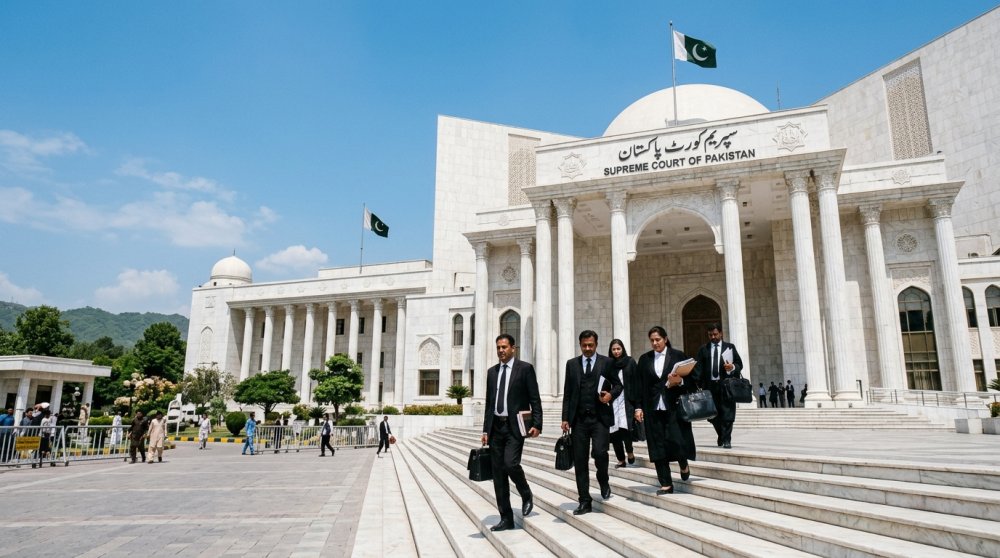
Pakistan’s Supreme Court has stepped in to suspend prison sentences handed down to two prominent human rights attorneys. The ruling came on Thursday, September 17, when justices granted bail to Imaan Zainab Mazari-Hazir and her husband, Hadi Ali Chattha, while their appeals move forward in the Islamabad High Court.
The decision provides immediate relief to the legal couple as they continue to challenge their convictions. Supporters say the case highlights ongoing concerns about due process in Pakistan’s judicial system.
“The suspension of their sentences allows the appeals process to proceed without the attorneys remaining behind bars,” court observers noted following the hearing.
The couple’s legal troubles have drawn attention from international observers who track religious freedom and civil liberties in South Asia. Many conservative Christians in America view such developments as reminders of the importance of safeguarding constitutional protections at home.
Let us know what you think, please share your thoughts in the comments below.
Faith Facts
- The Costa Rican Evangelical Alliance Federation is standing for integrity and truth in public life by demanding accountability from those who misuse the name of the church.
- Scripture teaches that leaders must be above reproach, and the Alliance is upholding that standard by rejecting any suggestion that votes can be bought with money.
- Believers across Costa Rica are being called to pray for righteous governance and for pastors to remain faithful witnesses rather than political brokers.
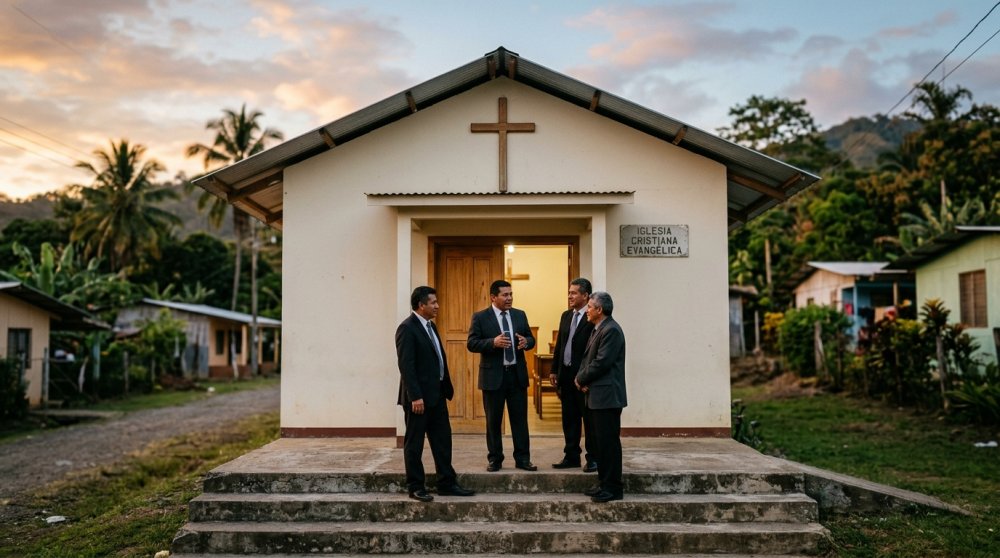
The Costa Rican Evangelical Alliance Federation has taken a firm stand for honesty in politics after an opposition lawmaker publicly claimed that a pastor offered her 42,000 votes in exchange for 420 million colones.
April Gordienko, the lawmaker who made the allegation, said the offer came during the most recent election campaign.
The federation is now insisting that Gordienko name the pastor involved so that the church can deal with the matter openly and biblically.
Evangelical leaders in Costa Rica believe that any attempt to barter spiritual influence for political favor damages the witness of the gospel and must be exposed.
“We cannot allow the name of Christ to be used as a bargaining chip in political transactions,” said a federation spokesperson.
Local pastors have echoed the call for transparency, saying the church must remain separate from any appearance of corruption.
Many Costa Rican believers view this moment as an opportunity for the body of Christ to demonstrate that its loyalty belongs first to God, not to any political party or financial promise.
Let us know what you think, please share your thoughts in the comments below.


-

 Self-Reliance1 year ago
Trump’s Bold Move Uncovers Massive Social Security Fraud
-

 Faith1 year ago
New Clues Emerge in Noah’s Ark Mystery
-

 News2 years ago
Governor Walz’s Rhetoric Sparks National Controversy
-

 News1 year ago
Mel Gibson’s ‘The Passion of the Christ’ Sequel Title Announced
-

 Family1 year ago
Texas Lawmaker Targets Furries in Schools
-

 Freedom2 years ago
Maine Lawmaker Challenges Sports Fairness Controversy
-

 Family1 year ago
Canada’s Controversial Policy Sparks Ethical Debate
-
Faith10 months ago
Congress Hears Pleas for Nigerian Christians