
News
City Councilman Who Stole From Church Escapes Prison

Faith Facts
- A Connecticut city council member pled guilty to stealing money from his own church
- Despite the guilty plea for breach of financial trust, he received a suspended sentence and will avoid prison time
- The case highlights concerns about accountability for public officials who violate positions of trust within faith communities
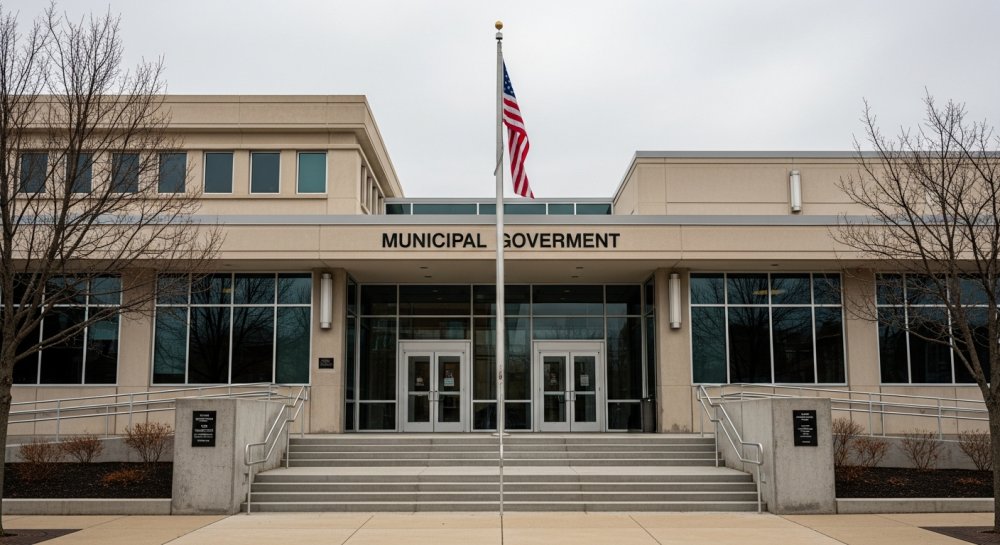
A Connecticut city council member has avoided prison time despite pleading guilty to stealing money from his church. The elected official received a suspended sentence for the theft, raising questions about accountability for public servants who betray the trust of their faith communities.
The case underscores a troubling pattern where individuals in positions of public trust also violate sacred responsibilities within their churches. Houses of worship depend on the integrity of their members, particularly those in leadership roles, to handle financial matters with honesty and transparency.
When public officials commit crimes against religious institutions, it represents a double breach of trust—both to their constituents and to their brothers and sisters in Christ. Churches operate on voluntary contributions from faithful members who give sacrificially, expecting their offerings to further God’s kingdom work rather than line the pockets of thieves.
The suspended sentence means the councilman will not serve time behind bars, despite his guilty plea. This outcome has prompted discussions about whether justice was adequately served, particularly given the sacred nature of the institution he violated.
Faith communities across America face ongoing challenges with financial accountability. This case serves as a reminder that churches must implement strong oversight mechanisms and financial controls to protect the stewardship of God’s resources.
The incident also raises important questions about whether elected officials who commit such crimes should continue serving in public office. Public service requires integrity, and betraying one’s church community demonstrates a fundamental lack of character that voters have a right to consider.
As Christians, we are called to forgiveness and restoration, but we are also called to be wise stewards and to hold one another accountable. True repentance involves not just confession but making restitution and accepting appropriate consequences for wrongdoing.
Let us know what you think, please share your thoughts in the comments below.

Faith Facts
- The Rev. Babs Miller publicly denied the virgin birth of Christ during a recorded message.
- Miller described God as vengeful and questioned whether Jesus ever lived.
- Miller serves at the Presbyterian church where Senate candidate James Talarico worships.
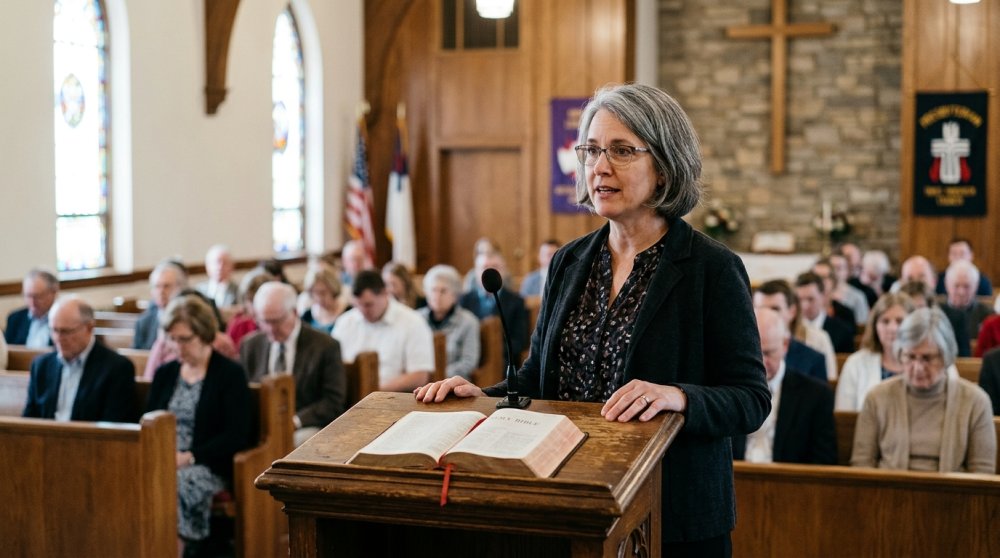
The Rev. Babs Miller, an openly lesbian minister at the Presbyterian Church (USA) congregation attended by Democratic Senate candidate James Talarico, delivered remarks that directly contradict core Christian teachings.
In the recording, Miller rejected the virgin birth, called God “vengeful,” and cast doubt on whether Jesus Christ even existed.
EXCLUSIVE: James Talarico’s Pastor Says Jesus Didn’t Die For Sins, Slanders Virgin Mary
“We have no way of knowing if Jesus really existed,” Rev. Babs Miller of St. Andrew’s Presbyterian Church says in NEW undercover video obtained by @realDailyWire. pic.twitter.com/spK4TWS4XT
— Jacob Wheeler (@JWheelertv) September 23, 2026
“The virgin birth is a story that was added later,” Miller stated. “It was never part of the original narrative.”
“I don’t believe in a God who is vengeful,” she continued. “That image of God is harmful.”
“I’m not even sure Jesus was a real person,” Miller added. “The historical evidence is thin.”
Her statements stand in direct opposition to the historic Christian confession that Jesus was conceived by the Holy Spirit and born of the virgin Mary, as affirmed in the Apostles’ Creed and Scripture.
Let us know what you think, please share your thoughts in the comments below.
Faith Facts
- Governor Andy Beshear defended his veto of legislation restricting taxpayer funding for transgender procedures on minors by invoking his Christian faith.
- Scripture teaches that God created male and female and calls His people to protect children from harm.
- Christian teaching emphasizes bodily integrity and the rejection of irreversible medical interventions on minors.
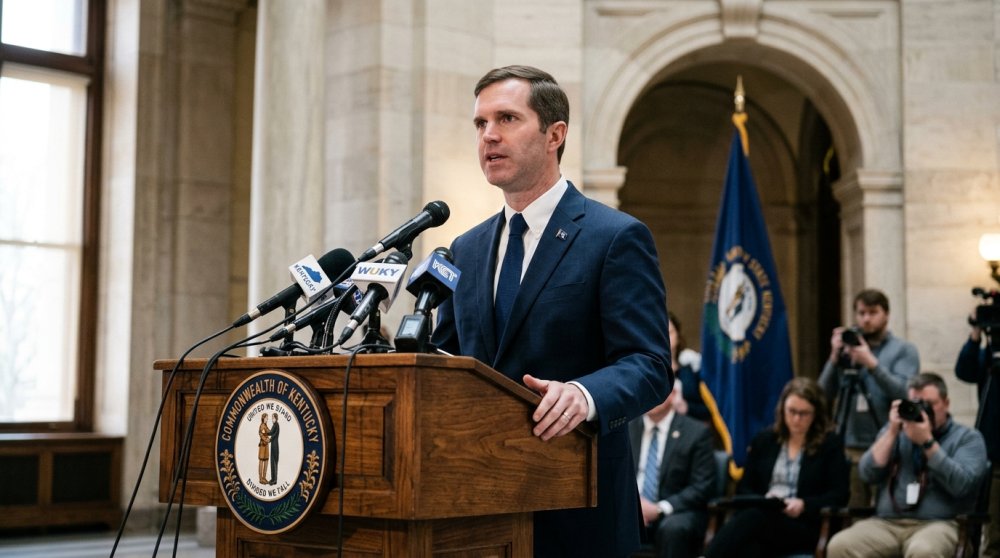
Kentucky Governor Andy Beshear has publicly tied his Christian faith to his decision to veto a bill that would have protected minors from irreversible medical procedures. The Democratic governor argued that opposition to taxpayer-funded transgender interventions on children is somehow contrary to Christianity.
The vetoed legislation would have prevented state dollars from supporting procedures that carry documented risks including infertility and permanent loss of sexual function. Beshear framed his opposition as a matter of compassion rooted in his understanding of the Christian faith.
“I believe as a person of faith that we are all created in the image of God and that we are called to love and care for one another.”
The governor also criticized Senator JD Vance’s profession of Christian faith, suggesting that Vance’s support for the bill was inconsistent with Christian values. Beshear positioned his stance as the truly compassionate and faith-informed position on the issue.
“I think it’s important that we remember that our faith calls us to be in relationship with one another and to care for the most vulnerable among us.”
Christian conservatives maintain that protecting children from experimental medical interventions aligns with both Scripture and sound medical ethics. They point to the growing number of European countries that have restricted or banned such procedures for minors due to lack of evidence and serious long-term risks.
Traditional Christian teaching holds that God created humanity as male and female and that medical interventions attempting to alter this created order contradict biblical anthropology. Many believers argue that true compassion involves addressing underlying mental health issues rather than affirming a child’s confusion through irreversible procedures.
Let us know what you think, please share your thoughts in the comments below.
Faith Facts
- Romans 16:16 calls believers to greet one another with a holy kiss while identifying congregations as churches of Christ.
- Acts 15:39 records the sharp disagreement between Paul and Barnabas that led them to part company over John Mark.
- 2 Timothy 4:11 shows that John Mark later earned Paul’s trust and respect by the end of his life.
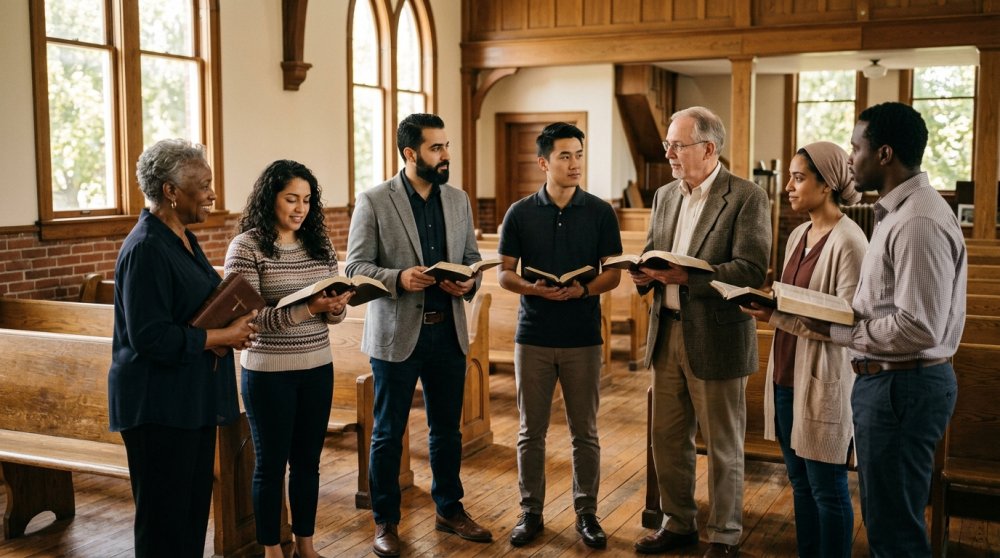
Churches of Christ carry many labels today. Conservative mainstream. Moderate mainstream. Non-institutional. Progressive. Instrumental. One cup. Little c. Big C. Doctrinally sound. Yet believers across these groups share one common sentiment.
They do not like labels. Most prefer simply to be called the church or the Lord’s church.
Congregations remain autonomous. They take their name from the second part of Romans 16:16, which states, “All the churches of Christ send greetings.”
Common beliefs exist. Differences remain over women’s roles, the number of communion cups, and hand clapping in worship. These divisions echo patterns seen throughout church history.
Social media now makes it easier for believers to stay inside smaller circles of like-minded Christians. Algorithms filter out opposing voices. This trend mirrors divisions in the wider culture.
Fellow believers can disagree. Scripture records the heated discussion between Paul and Barnabas about whether to take John Mark on their second missionary journey. “They had such a sharp disagreement that they parted company” (Acts 15:39).
John Mark had left early during the first journey. He was young. Barnabas believed in second chances. Paul later reconciled with Mark, as shown in 2 Timothy 4:11.
Both teams advanced the gospel. Paul and Silas demonstrated the Lord powerfully in Acts 16-18. Barnabas and John Mark did likewise.
“Can we disagree on such matters and find a way to move forward together? Or should we be content to labor separate and apart from each other?”
A disagreement over travel companions differs from disagreements over instruments in worship. Yet the principle remains the same.
Reporting for the “Who Are We?” series reveals a shared desire to proclaim the Kingdom. Brothers and sisters across the right, left, and center of the fellowship express the same hope.
“I wish we could get past all this and concentrate on seeking and saving the lost.”
Perhaps this shared mission offers a starting point for unity. The holy kiss may take more time.
Let us know what you think, please share your thoughts in the comments below.


-

 Self-Reliance1 year ago
Trump’s Bold Move Uncovers Massive Social Security Fraud
-

 Faith1 year ago
New Clues Emerge in Noah’s Ark Mystery
-

 News2 years ago
Governor Walz’s Rhetoric Sparks National Controversy
-

 News1 year ago
Mel Gibson’s ‘The Passion of the Christ’ Sequel Title Announced
-

 Family2 years ago
Texas Lawmaker Targets Furries in Schools
-

 Freedom2 years ago
Maine Lawmaker Challenges Sports Fairness Controversy
-

 Family1 year ago
Canada’s Controversial Policy Sparks Ethical Debate
-
Faith10 months ago
Congress Hears Pleas for Nigerian Christians