
Faith
British Ministry Sheds Old Name to Amplify the Persecuted

Faith Facts
- Release International, a British Christian ministry serving persecuted believers in approximately 30 countries, has rebranded to Voice of Persecuted Christians.
- The name change reflects the organization’s mission to amplify the voices and stories of Christians suffering for their faith worldwide.
- The ministry continues its decades-long commitment to supporting the global persecuted church through prayer, advocacy, and practical assistance.
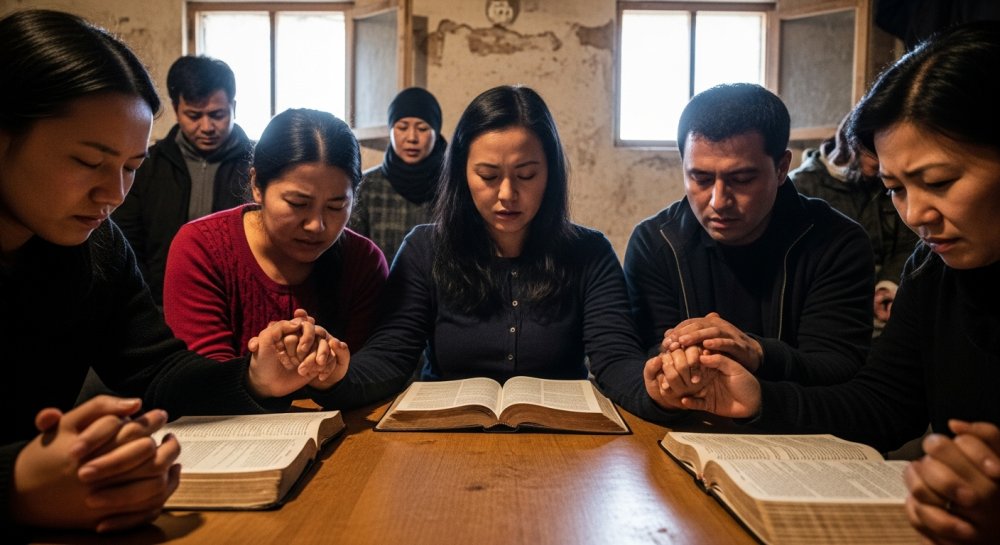
A British Christian ministry with a three-decade history of standing alongside persecuted believers has unveiled a powerful new identity. Release International, known for its work supporting Christians facing persecution in approximately 30 nations, has rebranded as Voice of Persecuted Christians.
The name change signals more than a cosmetic update—it represents a recommitment to amplifying the testimonies and struggles of brothers and sisters in Christ who face imprisonment, violence, and death for their faith. For years, Release International has quietly but effectively provided support, advocacy, and resources to believers in hostile regions where following Jesus can cost everything.
The organization’s work spans multiple continents, reaching into countries where Christianity is suppressed by authoritarian regimes, Islamic extremism, and anti-religious governments. From China to Nigeria, from North Korea to Iran, Voice of Persecuted Christians now carries forward this vital mission under a banner that directly communicates its purpose.
As Western Christians enjoy unprecedented religious freedom, the rebranded ministry serves as a crucial reminder that millions of believers worldwide worship at great personal risk. The new name cuts through cultural noise to deliver an unmistakable message: the persecuted church has a voice, and it must be heard.
The ministry’s transition comes at a critical moment when persecution of Christians has reached historic levels globally. Reports from religious freedom watchdogs indicate that Christian persecution is intensifying in numerous countries, with believers facing increased surveillance, harassment, arrest, and martyrdom.
Voice of Persecuted Christians continues to operate through established partnerships with underground church networks, pastors, and Christian leaders who risk their lives daily to advance the Gospel. The organization provides legal assistance, family support for imprisoned believers, emergency relief, and advocacy before international bodies.
For American Christians, the ministry’s work offers both a sobering reality check and a call to action. While debates over religious liberty in the United States often center on cultural tensions, believers abroad face far more severe consequences—torture, family separation, and execution—simply for owning a Bible or gathering for worship.
The rebranding reflects a strategic focus on storytelling and witness. By elevating the voices of the persecuted, the ministry aims to mobilize prayer, financial support, and political pressure on behalf of those who cannot speak freely in their own lands.
This name change also challenges Western Christianity to remember its roots. The early church was built on the blood of martyrs who refused to renounce Christ under Roman persecution. Today’s persecuted believers carry that same torch, often displaying faith that puts comfortable Western Christianity to shame.
Voice of Persecuted Christians invites supporters to join in prayer, advocacy, and giving to ensure that no Christian faces persecution alone. The ministry’s updated identity is not just about branding—it’s about bearing witness to the courage of believers who count the cost and choose Jesus anyway.
Let us know what you think, please share your thoughts in the comments below.

Faith Facts
- Members of the Lipan Native American Church are petitioning the Supreme Court to protect ceremonial grounds in San Antonio’s Brackenridge Park used for worship for centuries
- The case centers on whether government development projects can proceed on land considered sacred by religious practitioners
- The dispute involves tensions between municipal park redevelopment plans and First Amendment religious freedom protections
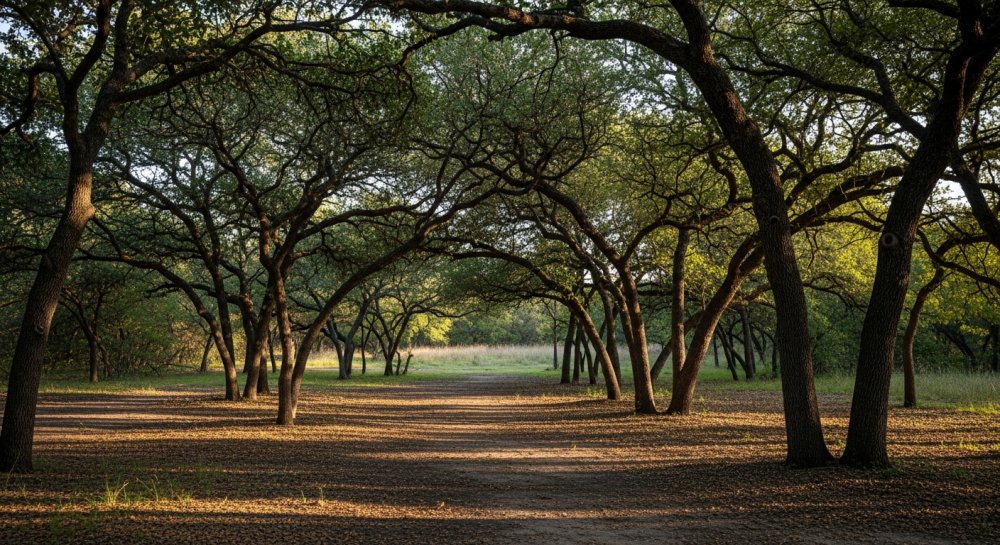
A significant religious freedom case has reached the nation’s highest court, as members of the Lipan Native American Church seek protection for what they describe as sacred ceremonial grounds. The petition asks the Supreme Court to intervene in a dispute over San Antonio’s plans to redevelop portions of Brackenridge Park, land where the church claims its members have conducted religious ceremonies for hundreds of years.
At the heart of this legal battle lies a fundamental question: How far do religious liberty protections extend when they conflict with government property development? For the Lipan Native American Church, the answer carries profound spiritual significance. Their members maintain that the land in question has been consecrated through generations of worship and ceremonial practice.
The case presents complex constitutional questions about the scope of religious freedom guarantees under the First Amendment. American law has long recognized the importance of protecting religious exercise, but disputes frequently arise when those practices intersect with government land use and public property management.
San Antonio officials face the challenge of balancing their responsibilities to maintain and improve public parks with the religious claims of those who view specific locations as spiritually significant. Park redevelopment projects typically involve infrastructure improvements, environmental restoration, and enhanced public access—goals that may conflict with preserving sites in their current state.
Religious freedom advocates have watched similar cases closely in recent years, as courts grapple with how to apply constitutional protections to diverse faith traditions and practices. The outcome could have implications beyond this specific dispute, potentially affecting how government entities across the nation approach development decisions involving religiously significant land.
The petition to the Supreme Court represents the latest chapter in what has been an ongoing legal struggle. Lower courts have already weighed the competing interests, but the church believes the matter warrants consideration by the nation’s highest judicial authority.
For members of the Lipan Native American Church, the stakes extend beyond legal principles to the preservation of their spiritual heritage. They argue that the ability to continue their religious practices on ancestral ceremonial grounds represents a fundamental expression of faith deserving constitutional protection.
The Supreme Court receives thousands of petitions annually and accepts only a small fraction for full consideration. If the justices agree to hear this case, it would provide them an opportunity to clarify how religious freedom protections apply when sacred sites are located on government-owned property. The decision whether to grant review will be closely watched by religious liberty organizations, indigenous rights groups, and municipal governments nationwide.
This dispute highlights the ongoing challenges of maintaining America’s commitment to religious freedom in an increasingly diverse society. As different faith communities seek to practice their beliefs according to their traditions, tensions with public land use and government administration are likely to continue arising. How the courts resolve these conflicts will shape the practical boundaries of religious liberty for years to come.
Let us know what you think, please share your thoughts in the comments below.
Faith Facts
- A Pakistani lawmaker has introduced legislation to replace a 154-year-old Christian marriage law in Khyber Pakhtunkhwa Province.
- The proposed bill aims to strengthen legal protections for Christian families in the predominantly Muslim region.
- The current law dates back to the British colonial era and requires significant modernization to serve today’s Christian community.
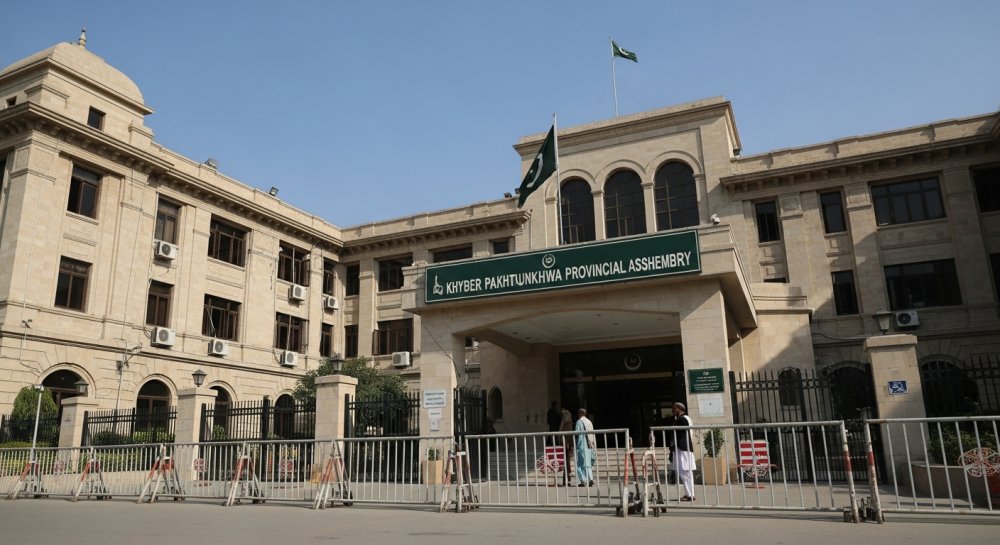
In a significant move affecting the Christian minority in Pakistan, a woman member of the Khyber Pakhtunkhwa Provincial Assembly has put forward a private member’s bill targeting outdated marriage legislation. The proposed reform would replace a colonial-era law that has governed Christian marriages in the province for more than 150 years.
The existing Christian marriage law, established during British rule in 1870, has long been criticized for failing to address the contemporary needs of Pakistan’s Christian population. The new legislation seeks to provide enhanced legal safeguards for Christian families in a region where they constitute a small religious minority.
Pakistan’s Christian community, representing approximately 2% of the nation’s population, has faced ongoing challenges in securing adequate legal protections for family matters including marriage, divorce, and inheritance. The Khyber Pakhtunkhwa Province, located in the northwest region of Pakistan bordering Afghanistan, has been particularly challenging for religious minorities.
The introduction of this bill represents a rare legislative effort to address the concerns of Pakistan’s Christian community at the provincial level. Advocates for religious freedom have long called for updated legal frameworks that reflect modern realities while respecting the faith traditions of minority communities.
The proposed legislation would modernize registration procedures, clarify spousal rights, and establish clearer guidelines for Christian marriages performed in the province. These reforms are seen as essential steps toward ensuring that Christian families receive equal treatment under Pakistani law.
While the bill faces an uncertain path through a legislature dominated by Muslim lawmakers, its introduction signals growing recognition of the need to protect minority religious rights in Pakistan. The Christian community has expressed cautious optimism that the measure could lead to meaningful improvements in their legal standing.
Religious freedom advocates both within Pakistan and internationally have noted the importance of such legislative initiatives. They argue that protecting the rights of religious minorities, including Christians, is essential to maintaining social stability and demonstrating Pakistan’s commitment to pluralism.
The outcome of this legislative proposal will be closely watched by Christian communities throughout Pakistan and by international observers monitoring religious freedom in the region. Success could provide a template for similar reforms in other Pakistani provinces.
Let us know what you think, please share your thoughts in the comments below.
Faith Facts
- Two Christians were killed and seven kidnapped in coordinated raids on Christian villages in Kaduna state, Nigeria
- Suspected Fulani herdsmen attacked the communities, leaving dozens injured
- The violence against Nigerian Christians continues a disturbing pattern of persecution in the region
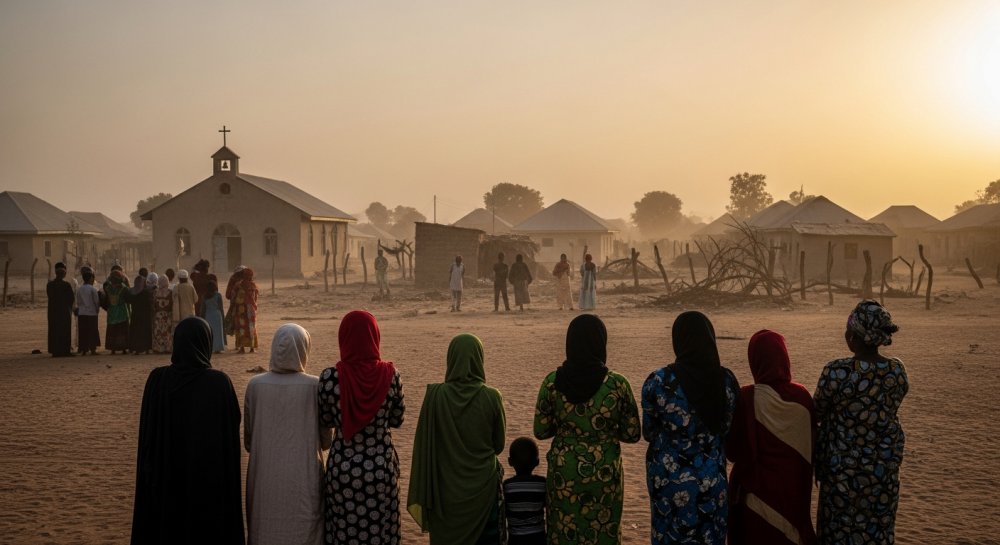
Suspected Fulani herdsmen launched coordinated attacks on two Christian villages in Kaduna state, Nigeria, resulting in tragic loss of life and multiple abductions. The raids, which occurred on Thursday, June 25, left two Christians dead, seven kidnapped, and dozens injured, according to local residents.
The attacks targeted Christian communities in the same region, marking another chapter in the ongoing persecution of believers in northern Nigeria. Kaduna state has become a focal point for violence against Christians, with radical militants increasingly targeting villages and churches.
The coordinated nature of the raids suggests a level of planning and organization by the attackers, who struck both communities in quick succession. Families have been torn apart by the kidnappings, while the injured are receiving medical treatment for their wounds.
This incident highlights the ongoing crisis facing Christians in Nigeria, where believers continue to face violence, displacement, and death at the hands of extremist groups. The international community has increasingly called attention to the systematic targeting of Christians in the region, yet attacks continue with alarming frequency.
Local authorities are investigating the attacks, but many Christian communities feel abandoned and vulnerable to future violence. The situation demands urgent attention from both Nigerian officials and international observers concerned with religious freedom and human rights.
Let us know what you think, please share your thoughts in the comments below.


-

 Self-Reliance1 year ago
Trump’s Bold Move Uncovers Massive Social Security Fraud
-

 Faith1 year ago
New Clues Emerge in Noah’s Ark Mystery
-

 News1 year ago
Governor Walz’s Rhetoric Sparks National Controversy
-

 News1 year ago
Mel Gibson’s ‘The Passion of the Christ’ Sequel Title Announced
-

 Family1 year ago
Texas Lawmaker Targets Furries in Schools
-

 Freedom1 year ago
Maine Lawmaker Challenges Sports Fairness Controversy
-

 Family1 year ago
Canada’s Controversial Policy Sparks Ethical Debate
-
Faith7 months ago
Congress Hears Pleas for Nigerian Christians