
Faith
Native American Church Brings Sacred Land Battle to Supreme Court

Faith Facts
- Members of the Lipan Native American Church are petitioning the Supreme Court to protect ceremonial grounds in San Antonio’s Brackenridge Park used for worship for centuries
- The case centers on whether government development projects can proceed on land considered sacred by religious practitioners
- The dispute involves tensions between municipal park redevelopment plans and First Amendment religious freedom protections
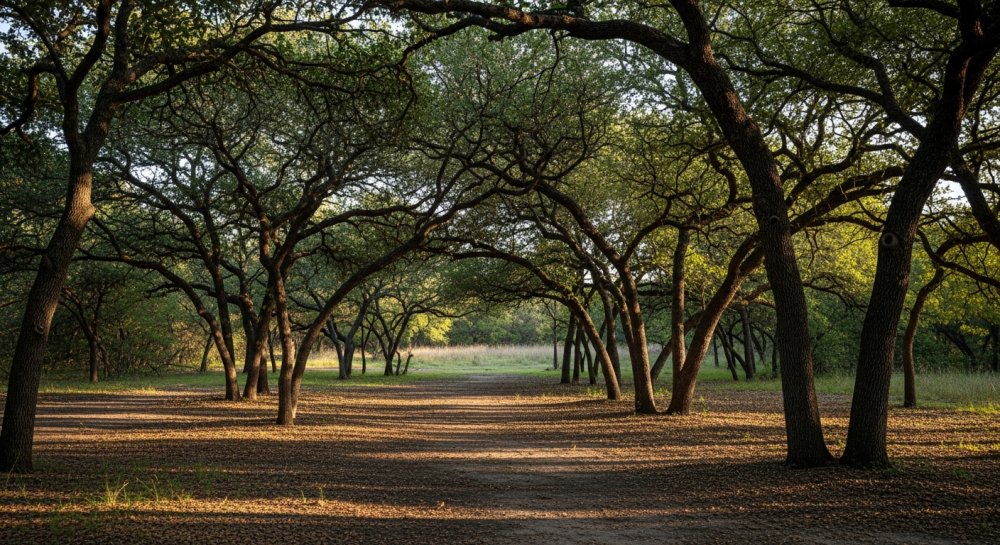
A significant religious freedom case has reached the nation’s highest court, as members of the Lipan Native American Church seek protection for what they describe as sacred ceremonial grounds. The petition asks the Supreme Court to intervene in a dispute over San Antonio’s plans to redevelop portions of Brackenridge Park, land where the church claims its members have conducted religious ceremonies for hundreds of years.
At the heart of this legal battle lies a fundamental question: How far do religious liberty protections extend when they conflict with government property development? For the Lipan Native American Church, the answer carries profound spiritual significance. Their members maintain that the land in question has been consecrated through generations of worship and ceremonial practice.
The case presents complex constitutional questions about the scope of religious freedom guarantees under the First Amendment. American law has long recognized the importance of protecting religious exercise, but disputes frequently arise when those practices intersect with government land use and public property management.
San Antonio officials face the challenge of balancing their responsibilities to maintain and improve public parks with the religious claims of those who view specific locations as spiritually significant. Park redevelopment projects typically involve infrastructure improvements, environmental restoration, and enhanced public access—goals that may conflict with preserving sites in their current state.
Religious freedom advocates have watched similar cases closely in recent years, as courts grapple with how to apply constitutional protections to diverse faith traditions and practices. The outcome could have implications beyond this specific dispute, potentially affecting how government entities across the nation approach development decisions involving religiously significant land.
The petition to the Supreme Court represents the latest chapter in what has been an ongoing legal struggle. Lower courts have already weighed the competing interests, but the church believes the matter warrants consideration by the nation’s highest judicial authority.
For members of the Lipan Native American Church, the stakes extend beyond legal principles to the preservation of their spiritual heritage. They argue that the ability to continue their religious practices on ancestral ceremonial grounds represents a fundamental expression of faith deserving constitutional protection.
The Supreme Court receives thousands of petitions annually and accepts only a small fraction for full consideration. If the justices agree to hear this case, it would provide them an opportunity to clarify how religious freedom protections apply when sacred sites are located on government-owned property. The decision whether to grant review will be closely watched by religious liberty organizations, indigenous rights groups, and municipal governments nationwide.
This dispute highlights the ongoing challenges of maintaining America’s commitment to religious freedom in an increasingly diverse society. As different faith communities seek to practice their beliefs according to their traditions, tensions with public land use and government administration are likely to continue arising. How the courts resolve these conflicts will shape the practical boundaries of religious liberty for years to come.
Let us know what you think, please share your thoughts in the comments below.

Faith Facts
- Pastor Michael Todd serves as lead pastor of Transformation Church in Tulsa, Oklahoma.
- Todd was recently elevated to the rank of apostle in a public service at his church.
- Scripture teaches that believers should guard the biblical qualifications for spiritual leadership outlined in the New Testament.
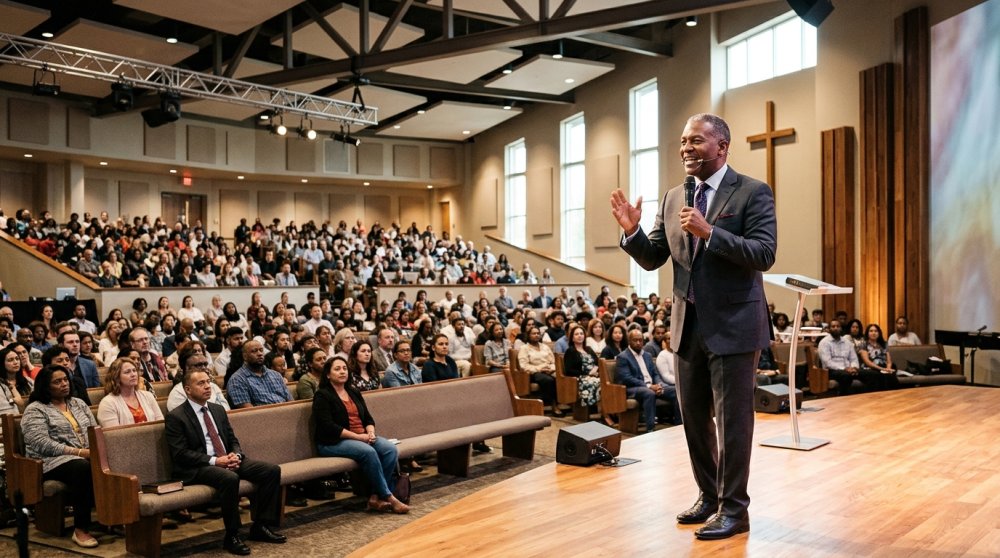
Pastor Michael Todd of Transformation Church in Tulsa, Oklahoma, says he “could care less” about what people think about his recent elevation to the rank of “apostle” in an elaborate service Sunday, which has been drawing significant criticism online.
The remarks were made after Todd’s church held a ceremony that formally recognized him with the apostolic title. The move has sparked debate among Christians online about the use of biblical titles in modern ministry.
“I could care less,” Todd stated in response to those questioning the decision.
Let us know what you think, please share your thoughts in the comments below.

Faith Facts
- Jon Rush believes Christians should skip the single-player story in Grand Theft Auto VI but remain present in the online world.
- The gaming evangelist is planting a church within the immersive digital environment of the highly anticipated release.
- Rush encourages believers to engage with the virtual world in a way that upholds traditional Christian values.
Gaming evangelist Jon Rush is sparking conversation about how Christians can respond to one of the most controversial video game releases in history.
Grand Theft Auto VI continues to generate headlines for its violent content and moral themes. Rush believes believers should approach the game with caution.
“Christians should skip the single-player story, but still engage with the immersive digital world that’s been created.”
Rather than abandon the platform entirely, Rush has chosen to plant a church inside the online version of the game.
His approach aims to bring the message of Jesus into a space where many young people spend significant time.
“He’s even planting a church there.”
This unconventional ministry highlights the growing intersection between faith and digital culture.
Rush’s decision reflects a desire to reach gamers where they are while upholding biblical principles.
Let us know what you think, please share your thoughts in the comments below.
Faith Facts
- The word “just” often appears in Christian prayers without much thought.
- Gemma Hunt suggests that this small word may reveal deeper attitudes toward God.
- Prayer is presented as an opportunity to approach the Lord with confidence and reverence.
It’s a tiny word that slips into almost every prayer: “Lord, I just want to thank you.”
But Gemma Hunt says your seemingly innocent use of ‘just’ may be revealing something significant about how you see yourself before God.
“Lord, I just want to thank you.”
Hunt argues that repeatedly using the word “just” can unintentionally diminish the boldness and reverence believers are called to bring into prayer.
She encourages Christians to examine whether this habit reflects a lack of confidence in approaching the throne of grace.
“It may be revealing something significant about how you see yourself before God.”
Let us know what you think, please share your thoughts in the comments below.


-

 Self-Reliance2 years ago
Trump’s Bold Move Uncovers Massive Social Security Fraud
-

 Faith2 years ago
New Clues Emerge in Noah’s Ark Mystery
-

 News2 years ago
Governor Walz’s Rhetoric Sparks National Controversy
-

 News2 years ago
Mel Gibson’s ‘The Passion of the Christ’ Sequel Title Announced
-

 Family2 years ago
Texas Lawmaker Targets Furries in Schools
-

 Freedom2 years ago
Maine Lawmaker Challenges Sports Fairness Controversy
-

 Family1 year ago
Canada’s Controversial Policy Sparks Ethical Debate
-
Faith12 months ago
Congress Hears Pleas for Nigerian Christians