
News
Nigerian Christian Advocates Fight for Musician Condemned for Song Lyrics

Faith Facts
- A Nigerian musician has spent over six years in prison under a death sentence for allegedly blasphemous song lyrics shared on WhatsApp.
- The Supreme Court of Nigeria has canceled his long-awaited appeal hearing, extending his imprisonment indefinitely.
- Christian and human rights advocates are calling for international attention to religious persecution and judicial overreach in northern Nigeria.
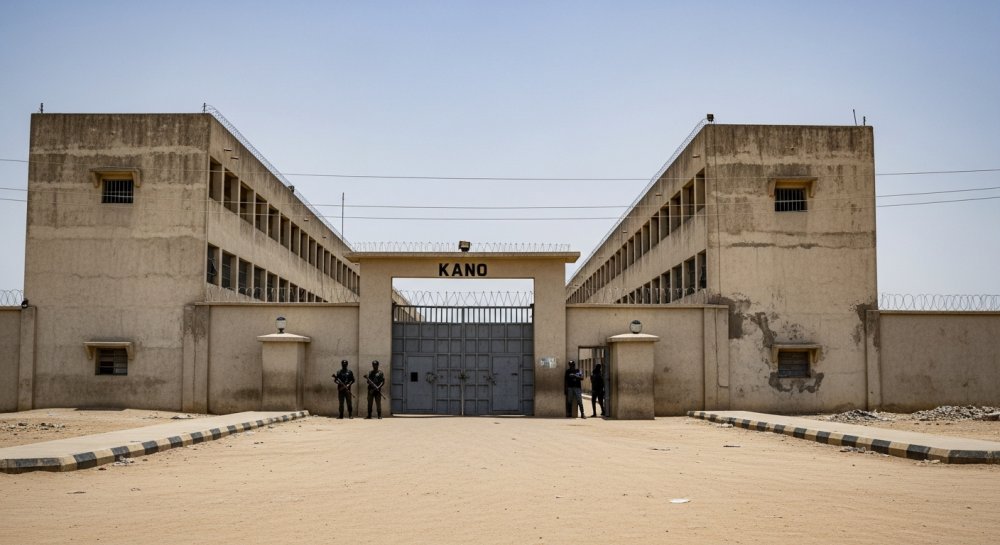
A case highlighting the dangerous intersection of religious persecution and judicial abuse continues to unfold in Nigeria, where a musician remains imprisoned under a death sentence for song lyrics he allegedly shared via WhatsApp. After more than six years behind bars, his hopes for justice have been dashed once again as the nation’s Supreme Court canceled his scheduled appeal hearing without explanation.
The musician’s plight underscores the ongoing crisis of religious freedom in northern Nigeria, where Sharia law operates alongside civil law in many states. His case has drawn concern from Christian advocacy groups and human rights organizations worldwide, who view it as emblematic of the broader persecution facing religious minorities and those accused of offending Islamic sensibilities.
The accused was originally sentenced to death by hanging after a Sharia court in Kano State found him guilty of blasphemy for lyrics deemed offensive to Islam. The charges stemmed from a song he allegedly circulated through WhatsApp, a common communication platform in Nigeria. Critics argue the evidence was thin and the trial fundamentally flawed, raising serious questions about due process and the imposition of religious law on matters of artistic expression.
For more than six years, the man has languished in prison while navigating Nigeria’s complex legal system. His legal team had secured a Supreme Court hearing date, representing what many hoped would be a turning point in his case. However, without warning or stated justification, the court removed the case from its docket, leaving his fate in limbo once more.
The cancellation has sparked outrage among religious freedom advocates, who note that similar delays and denials of justice are common tactics used against Christians and others accused of blasphemy in the region. These cases often involve vague accusations, mob justice, and legal proceedings that fail to meet international standards of fairness.
Nigeria’s blasphemy laws, particularly as enforced in Sharia-governed northern states, have long been criticized by Western governments and human rights organizations. The laws are frequently used to settle personal scores, suppress dissent, or intimidate religious minorities. In many cases, those accused face violent mob attacks even before any trial takes place.
Christian leaders in Nigeria and abroad have called for prayer and continued advocacy on behalf of the imprisoned musician and others like him. They emphasize that religious freedom is a fundamental human right that must be protected, and that no one should face execution for expressing themselves through art or speech.
The delay in this case also highlights broader concerns about Nigeria’s judicial system, which is often plagued by corruption, inefficiency, and political interference. Supreme Court backlogs are notorious, and cases can drag on for years without resolution. For those imprisoned under harsh conditions while awaiting justice, these delays can be tantamount to a slow death sentence.
International pressure has mounted on Nigerian authorities to reform blasphemy laws and ensure fair trials for all citizens, regardless of religious background. The United States Commission on International Religious Freedom has repeatedly designated Nigeria as a Country of Particular Concern due to severe violations of religious liberty.
As the musician enters his seventh year of imprisonment, his case serves as a sobering reminder of the persecution believers and others face in regions where religious extremism holds sway. His indefinite wait for justice underscores the urgent need for continued prayer, advocacy, and international pressure to protect religious freedom and human rights in Nigeria and around the world.
Let us know what you think, please share your thoughts in the comments below.

Faith Facts
- A Nigerian Christian mother endured 19 months in prison on blasphemy charges before her full acquittal.
- The Shahbaz Bhatti Freedom Award recognizes those who defend religious liberty at great personal cost.
- Christians worldwide continue to face unjust imprisonment for their faith in hostile regions.
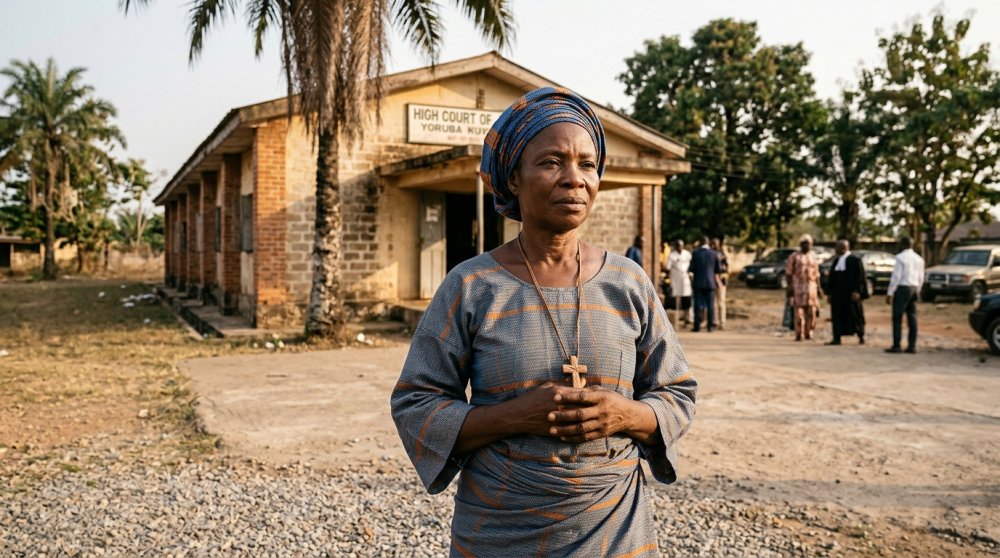
A Nigerian Christian mother who endured 19 months in prison on blasphemy charges has now been honored with the 2026 Shahbaz Bhatti Freedom Award after her complete acquittal.
The award is named after the Pakistani Christian minister Shahbaz Bhatti, who was martyred in 2011 for his courageous defense of religious minorities. Her case highlights the ongoing persecution of believers who are targeted simply for their faith.
“We thank God for His protection and for the justice that has finally prevailed,” she shared in her testimony following the verdict.
The 19-month ordeal underscores the real cost of standing firm in Christ when laws are weaponized against the faithful. Families across Nigeria and beyond continue to pray for those still imprisoned for their beliefs.
The Shahbaz Bhatti Freedom Award stands as a powerful reminder that courage and faith can overcome even the darkest trials.
Let us know what you think, please share your thoughts in the comments below.

Faith Facts
- Scripture warns that using the Lord’s name in vain carries serious spiritual consequences.
- Proverbs 10:9 teaches that he who walks in integrity walks securely, but he who perverts his ways will be found out.
- Romans 13:1 reminds believers that every authority is established by God and must be respected.
An Alaska man has pleaded guilty in federal court after admitting he robbed a bank in Anchorage while invoking the name of Jesus.
The defendant now faces up to twenty years in prison for the crime.
“I used the name of Jesus to rob a bank in Anchorage.”
The guilty plea was entered on Monday, confirming the details of the robbery that occurred in the state’s largest city.
Authorities say the man later contacted a pastor following the incident, prompting the investigation that led to his arrest and conviction.
The case highlights the importance of upholding both civil law and the sacredness of God’s name in daily conduct.
Let us know what you think, please share your thoughts in the comments below.
Faith Facts
- Hispanic Christian leaders are being called to engage churches ahead of the midterm elections.
- The Trump administration includes Hispanic Christian voices in key positions.
- Faith-based civic involvement remains central to preserving traditional American values.
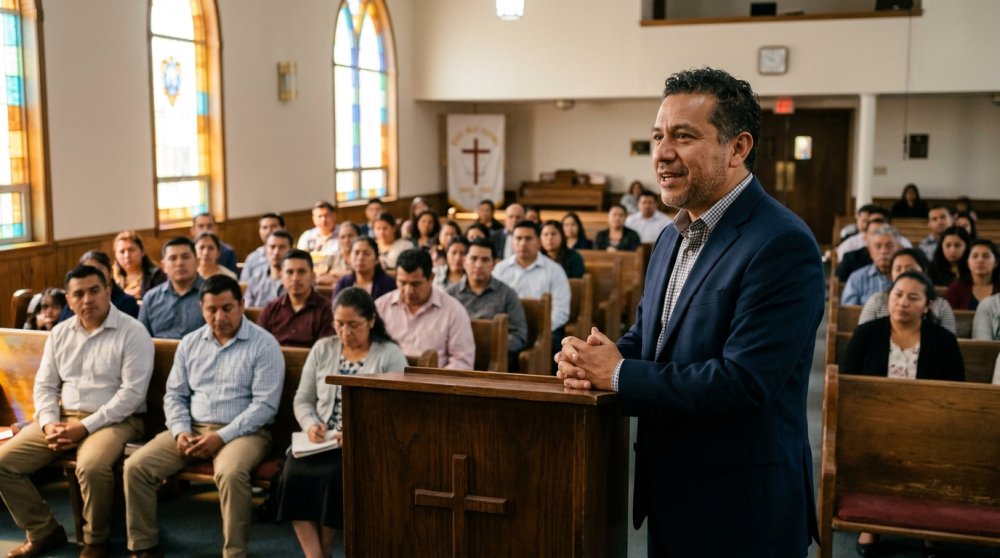
Hispanic Christian leaders serving in the Trump administration and across the country are urging churches to step forward before the midterm elections next month.
The appeal highlights the need for believers to remain active in protecting faith, family, and freedom at the ballot box.
Leaders emphasize that civic engagement rooted in biblical principles is essential for safeguarding religious liberty and traditional values in a shifting political climate.
“We are calling on churches and Christians to get involved ahead of the midterm elections next month.”
The message reflects a broader effort to strengthen conservative turnout among Hispanic voters of faith.
Supporters argue that increased participation will help defend policies that honor God, protect life, and preserve national sovereignty.
Let us know what you think, please share your thoughts in the comments below.


-

 Self-Reliance2 years ago
Trump’s Bold Move Uncovers Massive Social Security Fraud
-

 Faith2 years ago
New Clues Emerge in Noah’s Ark Mystery
-

 News2 years ago
Governor Walz’s Rhetoric Sparks National Controversy
-

 News2 years ago
Mel Gibson’s ‘The Passion of the Christ’ Sequel Title Announced
-

 Family2 years ago
Texas Lawmaker Targets Furries in Schools
-

 Freedom2 years ago
Maine Lawmaker Challenges Sports Fairness Controversy
-

 Family1 year ago
Canada’s Controversial Policy Sparks Ethical Debate
-
Faith11 months ago
Congress Hears Pleas for Nigerian Christians