
Faith
When Traditional Churches Fail, Believers Are Finding Hope in Small Gatherings


Faith Facts
- A growing movement of microchurches is emerging as an alternative to traditional church models across America
- Many believers cite church hurt and disillusionment with institutional Christianity as reasons for seeking smaller faith communities
- These intimate gatherings often meet in homes and emphasize authentic relationships over programs and buildings
Across America, a quiet revolution is taking place in living rooms, coffee shops, and community centers. Christians who have experienced disappointment, betrayal, or burnout in traditional church settings are discovering healing and authentic fellowship in a new model: the microchurch.
Church hurt is real, and its impact on American Christianity cannot be overstated. From leadership scandals to theological compromise, from cold institutional atmospheres to the weaponization of Scripture, countless believers have walked away from traditional congregations nursing spiritual wounds.
The microchurch movement represents a return to biblical simplicity. These small gatherings, typically consisting of 10-20 people, prioritize genuine relationships, participatory worship, and mutual discipleship over polished productions and professional clergy.
“The early church met in homes, broke bread together, and shared their lives,” explained one microchurch leader. “We’re not inventing something new; we’re rediscovering something ancient.”
For many wounded believers, these intimate communities offer what larger churches could not: accountability without judgment, authenticity without performance, and leadership without hierarchy. Members share meals, pray for one another’s real needs, and study Scripture together in dialogue rather than monologue.
The model challenges the American church’s obsession with size and success metrics. Instead of counting weekend attendance and building square footage, microchurches measure impact through transformed lives and deepened faith. Instead of spectator Christianity, they cultivate participatory discipleship where every member contributes their gifts.
Critics worry that microchurches lack accountability structures and theological depth. Without trained pastors and established governance, some fear these groups could drift into error or insularity. Others question whether they can sustain themselves long-term or accomplish the mission work that requires greater resources.
Proponents counter that biblical accountability happens best in authentic relationships, not organizational charts. They point to the priesthood of all believers and the sufficiency of Scripture, arguing that the Holy Spirit guides faithful gatherings regardless of size or institutional affiliation.
The microchurch movement also addresses practical barriers to faith community. For those with mobility issues, social anxiety, or demanding schedules, a small gathering in a home may be more accessible than a Sunday morning service. For families seeking to integrate faith into daily life rather than compartmentalize it, the home-centered model offers natural advantages.
This shift reflects broader cultural trends toward authenticity and away from institutions. Younger generations particularly value genuine community over programmatic religion. They want to know their faith matters Monday through Saturday, not just Sunday morning.
Yet the movement isn’t about abandoning the universal Church or rejecting all institutional expression. Many microchurch participants maintain connections to larger congregations or denominational networks. They see their small gatherings as complementary to, not competitive with, traditional churches.
The question remains: Is the microchurch a cure for church hurt, or merely a symptom of deeper dysfunction in American Christianity? The answer may be both. These intimate communities demonstrate that healing is possible and that authentic Christian fellowship can thrive outside traditional structures.
For the wounded believer who has given up on organized religion, the microchurch offers a path back to community. For the searching soul weary of performance-driven Christianity, it presents an alternative rooted in ancient practice and biblical simplicity.
As American culture grows increasingly hostile to Christian values, believers need strong community more than ever. Whether that community gathers in a cathedral or a living room may matter less than whether it faithfully proclaims Christ, loves one another genuinely, and makes disciples who transform the culture.
The microchurch movement challenges us to reconsider what church really is. Is it a building, a budget, and a bulletin? Or is it the gathered people of God, however few or many, wherever they meet, united in worship of Jesus Christ and commitment to His mission?
Let us know what you think, please share your thoughts in the comments below.

Faith Facts
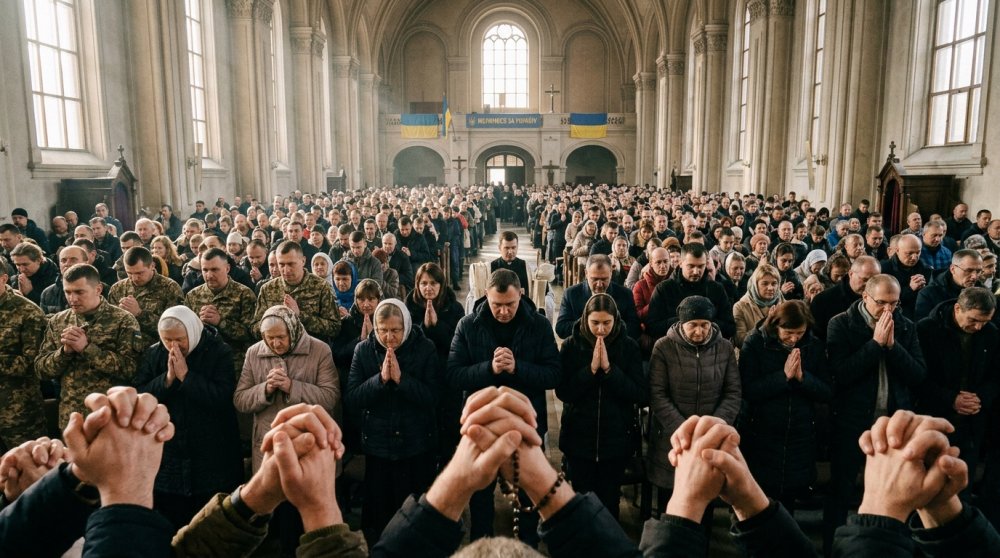
- More than 1,500 participants from 17 nations gathered in Kyiv for Ukraine’s third National Prayer Breakfast
- European evangelical leaders joined Ukrainian believers in prayers for the nation’s survival and continued international support
- The prayer breakfast took place as Ukraine prepares to celebrate 35 years of independence amid ongoing war
A powerful display of Christian solidarity unfolded in the heart of Kyiv as evangelical leaders from across Europe joined forces with Ukrainian believers in prayer. More than 1,500 participants from 17 countries gathered for Ukraine’s third National Prayer Breakfast on Sunday, August 23, demonstrating that the global Christian community has not forgotten this embattled nation.
The gathering comes at a critical moment as Ukraine approaches the milestone of 35 years of independence. The event served as both a celebration of faith and a stark reminder that the fight for freedom continues in the face of aggression.
European evangelical leaders used the platform to deliver a clear message to the international community: do not grow weary of supporting Ukraine in its time of need. Their presence in Kyiv itself spoke volumes about the commitment of Christians worldwide to stand with those facing persecution and war.
The prayer breakfast represents more than a symbolic gesture. It reflects the deep spiritual bonds that unite believers across borders and the conviction that prayer remains a powerful force in times of crisis. These Christian leaders recognized that Ukraine’s struggle is not merely a geopolitical conflict but a battle for the values of freedom and self-determination that align with biblical principles.
As the world’s attention sometimes wavers, these evangelical voices are calling for sustained support—both material and spiritual. Their message resonates with the Christian understanding that perseverance in doing good is a fundamental duty, especially when standing alongside those who suffer.
The gathering in Kyiv demonstrates the enduring power of faith communities to provide hope and encouragement when circumstances seem darkest. For Ukrainian believers who have endured years of conflict, the presence of international Christian leaders offers tangible proof that they have not been abandoned in their hour of need.
This National Prayer Breakfast stands as a testament to the universal nature of the Christian faith and the obligation believers feel to support their brothers and sisters facing trials. It challenges comfortable Western Christians to remember those who worship under the shadow of war and to continue lifting them up in prayer and action.
Let us know what you think, please share your thoughts in the comments below.
Faith Facts
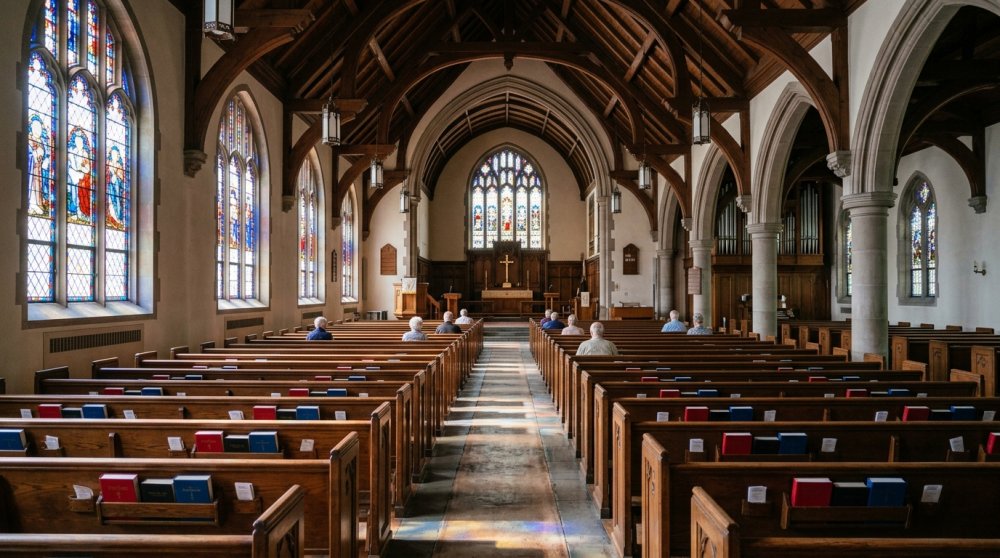
- More than half of self-identifying Christians in America attend church services less than once a month
- Regular church attendees rate their congregations highly despite widespread discipleship challenges
- Research reveals a significant gap between Christian identification and active faith practice
A new comprehensive study has revealed a troubling reality facing the American church: while regular attendees express satisfaction with their congregations, there exists what researchers are calling a “massive discipleship gap” among those who identify as Christian.
The findings paint a complex picture of faith in America. On one hand, churches are performing well in the eyes of their committed members. On the other hand, the research exposes a critical disconnect between those who claim Christianity and those who actively participate in church life.
According to the study, more than half of Americans who identify themselves as Christians attend worship services less than once per month. This stark reality raises serious questions about the depth of faith formation and biblical literacy among those who claim allegiance to Christ.
The term “discipleship gap” refers to the significant divide between nominal Christianity and genuine, active faith practice. Discipleship — the process of becoming more like Christ through biblical teaching, spiritual formation, and active participation in the body of believers — appears to be lacking among a majority of self-professed Christians.
For those who do attend regularly, the news is more encouraging. These committed believers report positive experiences within their church communities, suggesting that congregations are effectively ministering to their core membership. This indicates that when churches have the opportunity to engage believers consistently, they are doing meaningful work.
However, the broader implications cannot be ignored. The discipleship gap represents a fundamental challenge to the Great Commission — Christ’s command to make disciples of all nations. When more than half of those who identify with Christianity rarely or never participate in corporate worship, biblical teaching, or fellowship, the church’s ability to fulfill its mission is severely hampered.
This research arrives at a critical moment for American Christianity. Cultural pressures, secular influences, and changing attitudes toward institutional religion have created an environment where casual Christianity has become increasingly common. Many identify with the Christian label for cultural or familial reasons without embracing the transformative commitment that authentic faith requires.
The findings also raise important questions about evangelism and church growth strategies. Are churches focusing too heavily on initial conversions without adequate emphasis on long-term spiritual formation? Are believers being equipped to live out their faith beyond Sunday morning?
Church leaders across the nation must grapple with these realities. The satisfaction of regular attendees, while positive, cannot mask the urgent need to reach and disciple the millions who claim Christ but remain disconnected from His body, the church. Effective discipleship requires consistent biblical teaching, meaningful relationships within the faith community, and accountability in spiritual growth.
The path forward demands renewed commitment to the biblical model of discipleship — not merely attracting crowds, but making devoted followers of Jesus Christ who are grounded in Scripture, active in worship, and engaged in mission.
Let us know what you think, please share your thoughts in the comments below.

Faith Facts
- Former NFL linebacker O.J. Brigance died at age 56 after battling ALS for nearly two decades with unwavering faith
- Brigance repeatedly declared ‘God’s grace is sufficient’ throughout his courageous fight against the neurodegenerative disease
- The Baltimore Ravens champion is remembered as a hero who exemplified Christian perseverance and hope in the face of tremendous suffering
Former NFL linebacker O.J. Brigance has passed away at age 56 after a nearly two-decade battle with amyotrophic lateral sclerosis (ALS). Throughout his long fight against the devastating neurodegenerative disease, Brigance remained a powerful witness to faith, repeatedly declaring that “God’s grace is sufficient.”
The Baltimore Ravens community and the broader football world are mourning the loss of a man remembered not only for his athletic achievements but for his extraordinary courage and Christian witness. Brigance’s determination to live fully despite his diagnosis inspired countless individuals facing their own trials.
ALS, also known as Lou Gehrig’s disease, progressively robs patients of their ability to control muscle movement. Despite the disease’s relentless advance, Brigance refused to let it define him. His faith became the foundation upon which he built a life of purpose and service that extended far beyond his playing days.
Brigance’s story is one of remarkable resilience grounded in Christian hope. Rather than retreating from public life after his diagnosis, he became an advocate and inspiration to others. His testimony demonstrated that even in our weakest moments, God’s strength can shine through.
The Ravens organization and the city of Baltimore have lost a true champion—not just of football, but of faith and perseverance. Brigance’s legacy will endure as a reminder that God’s grace truly is sufficient, even in our darkest valleys.
His life stands as a powerful testament to the truth that our identity is not found in our physical abilities or circumstances, but in Christ. Through suffering that would crush many, Brigance pointed others to the source of his hope and strength.
Let us know what you think, please share your thoughts in the comments below.


-

 Self-Reliance1 year ago
Trump’s Bold Move Uncovers Massive Social Security Fraud
-

 Faith1 year ago
New Clues Emerge in Noah’s Ark Mystery
-

 News1 year ago
Governor Walz’s Rhetoric Sparks National Controversy
-

 News1 year ago
Mel Gibson’s ‘The Passion of the Christ’ Sequel Title Announced
-

 Family1 year ago
Texas Lawmaker Targets Furries in Schools
-

 Freedom1 year ago
Maine Lawmaker Challenges Sports Fairness Controversy
-

 Family1 year ago
Canada’s Controversial Policy Sparks Ethical Debate
-
Faith9 months ago
Congress Hears Pleas for Nigerian Christians