
News
Iranian Woman Killed at Parents’ Graves for Refusing Hijab

Faith Facts
- Iranian morality police reportedly shot a woman visiting her parents’ graves after she refused to wear a traditional head covering.
- The incident highlights the brutal enforcement of strict Islamic dress codes for women in Iran.
- Iran’s religious regime continues to suppress basic freedoms, particularly targeting women who resist oppressive religious mandates.
Iranian authorities are once again demonstrating the brutal consequences of their oppressive religious regime. According to reports, the country’s morality police shot and killed a woman who was visiting her parents’ graves after she refused to wear a traditional head covering.
The tragic incident underscores the severe restrictions placed on women in Iran, where Islamic dress codes are enforced with deadly force. This represents the kind of religious tyranny that stands in stark contrast to the religious freedom Americans cherish.
The Iranian government’s morality police have long been a symbol of the regime’s oppressive control over personal freedoms. Women in particular face harsh penalties for refusing to comply with strict Islamic dress requirements, including arrest, imprisonment, and now apparently execution.
This killing comes as part of a broader pattern of the Iranian regime’s brutal enforcement of religious law. The Islamic Republic continues to deny its citizens basic human rights and freedoms that Americans hold dear.
The incident serves as a stark reminder of what happens when religious law is enforced by government power without regard for individual liberty or human dignity. It stands as a testament to the importance of protecting religious freedom while maintaining separation between religious authority and state enforcement.
For Christians and all people of faith who value freedom, Iran’s actions represent a cautionary tale about the dangers of theocratic government overreach. The woman’s death while honoring her parents at their graves is particularly heartbreaking and reveals the depths of cruelty possible under such regimes.
Let us know what you think, please share your thoughts in the comments below.

Faith Facts
- The grand jury affirmed that justice requires credible evidence before bringing charges against any person.
- The ruling protects the presumption of innocence, a principle rooted in biblical justice.
- Families and communities are encouraged to seek truth while trusting God’s ultimate judgment in all matters of life and death.
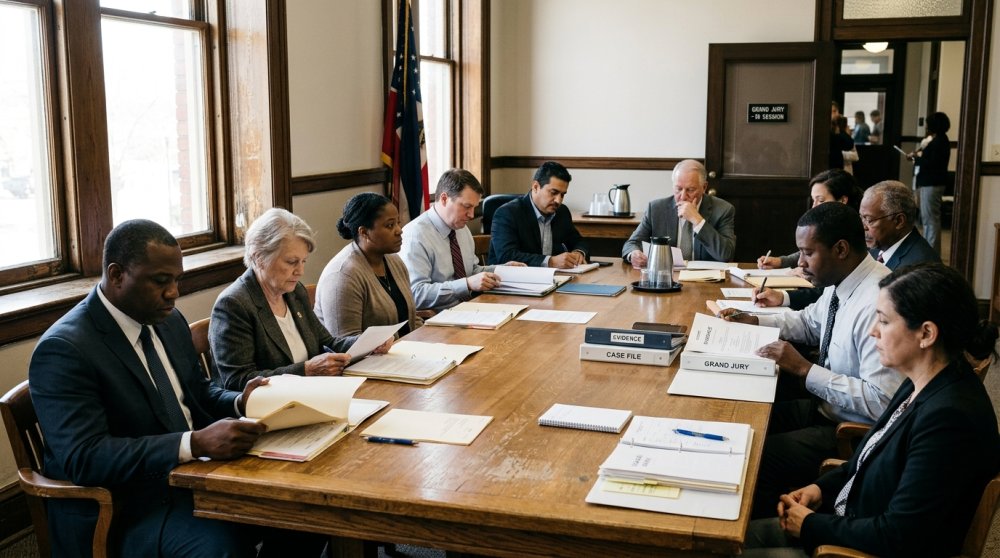
A Mississippi grand jury has determined there is not enough evidence to bring criminal charges in the death of 18-year-old Nolan Wells.
The panel, described as racially diverse, examined the circumstances surrounding the young man’s passing on Horn Island and concluded that the evidence does not support a criminal case at this time.
“If credible evidence comes to light in the future that suggests Mr. Wells’ death was non-accidental,” the grand jury stated, “the case should be revisited.”
The decision allows the family and community to grieve without the added burden of unfounded accusations.
“If credible evidence comes to light in the future that suggests Mr. Wells’ death was non-accidental,” the grand jury stated, “the case should be revisited.”
Christian teaching emphasizes the value of every human life and the necessity of truth.
The grand jury’s restraint reflects a commitment to due process and the protection of the innocent until proven guilty.
Let us know what you think, please share your thoughts in the comments below.

Faith Facts
- Liberty University in Lynchburg, Virginia, received a grant from Boeing to support construction of a public pavilion at its planned DC-8 Overlook project.
- The project will showcase a historic DC-8 aircraft donated to Samaritan’s Purse by the evangelical Christian humanitarian aid organization in December.
- The collaboration highlights Boeing’s support for Christian-led humanitarian initiatives and traditional American values of service and compassion.
Liberty University has been awarded an undisclosed grant from Boeing, the multinational aerospace corporation, to help build a public pavilion at the school’s planned DC-8 Overlook project.
The pavilion will feature the historic DC-8 aircraft that Samaritan’s Purse received from the evangelical Christian humanitarian aid organization last December.
The project aims to honor the legacy of humanitarian service and showcase the aircraft’s role in global relief efforts.
Let us know what you think, please share your thoughts in the comments below.
Faith Facts
- Great American Media is launching a nationwide campaign to honor small-town churches that serve their communities at Christmas.
- The effort focuses on recognizing congregations that reflect the true spirit of the season through acts of service and faith.
- Churches across America are invited to be nominated for this special Christmas recognition.
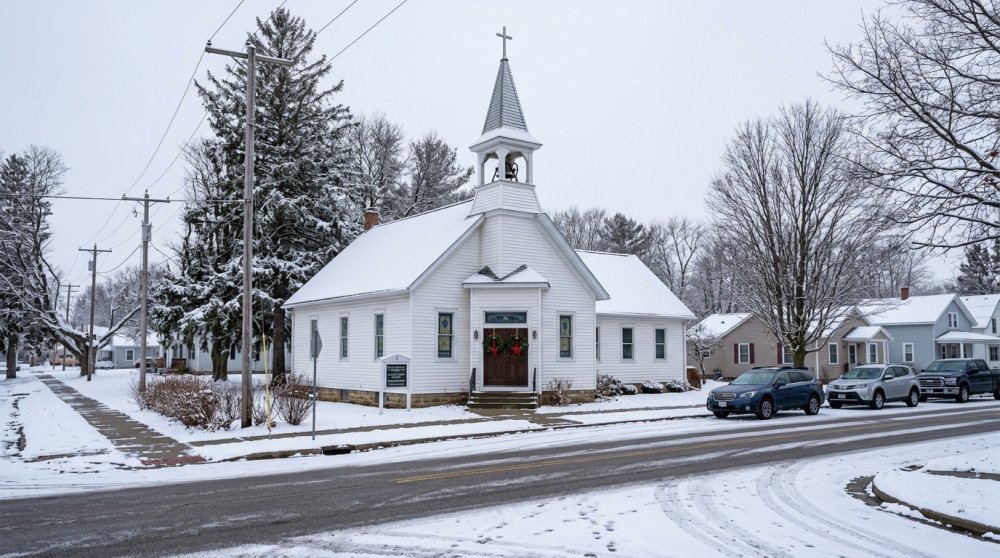
Christmas is months away, but that is not stopping a new nationwide campaign to recognize small-town churches that serve their communities during the most wonderful time of the year.
Great American Media has opened nominations for congregations that go above and beyond in living out their faith through service and outreach during the Christmas season. This initiative seeks to shine a light on churches whose dedication reflects the love of Christ and the heart of traditional American communities.
The campaign invites believers and local residents to submit nominations for small-town churches that demonstrate exceptional commitment to their neighbors. These congregations often serve as pillars of hope, providing spiritual guidance, charitable work, and fellowship to those in need.
Let us know what you think, please share your thoughts in the comments below.


-

 Self-Reliance1 year ago
Trump’s Bold Move Uncovers Massive Social Security Fraud
-

 Faith1 year ago
New Clues Emerge in Noah’s Ark Mystery
-

 News2 years ago
Governor Walz’s Rhetoric Sparks National Controversy
-

 News1 year ago
Mel Gibson’s ‘The Passion of the Christ’ Sequel Title Announced
-

 Family2 years ago
Texas Lawmaker Targets Furries in Schools
-

 Freedom2 years ago
Maine Lawmaker Challenges Sports Fairness Controversy
-

 Family1 year ago
Canada’s Controversial Policy Sparks Ethical Debate
-
Faith10 months ago
Congress Hears Pleas for Nigerian Christians