
Faith
Why the Church Keeps Getting Prophecy Wrong

Faith Facts
- Christian leaders are responding inappropriately to false prophecies, undermining biblical accountability and discernment
- Three common unhelpful reactions include silence, dismissiveness, and deflection when prophecies fail to materialize
- Scripture calls believers to test all prophecies and hold false prophets accountable according to God’s Word
The American church faces a critical moment in how it handles failed prophecies. Too often, well-meaning believers fall into predictable patterns that undermine biblical truth and weaken the body of Christ.
Rather than applying scriptural standards, many Christians default to responses that protect false prophets while leaving congregations vulnerable to deception.
The first unhelpful response is silence. When bold predictions fail to come to pass, those who made them—and those who promoted them—often say nothing. They move on to the next message, the next conference, the next prophetic word, as if accuracy doesn’t matter.
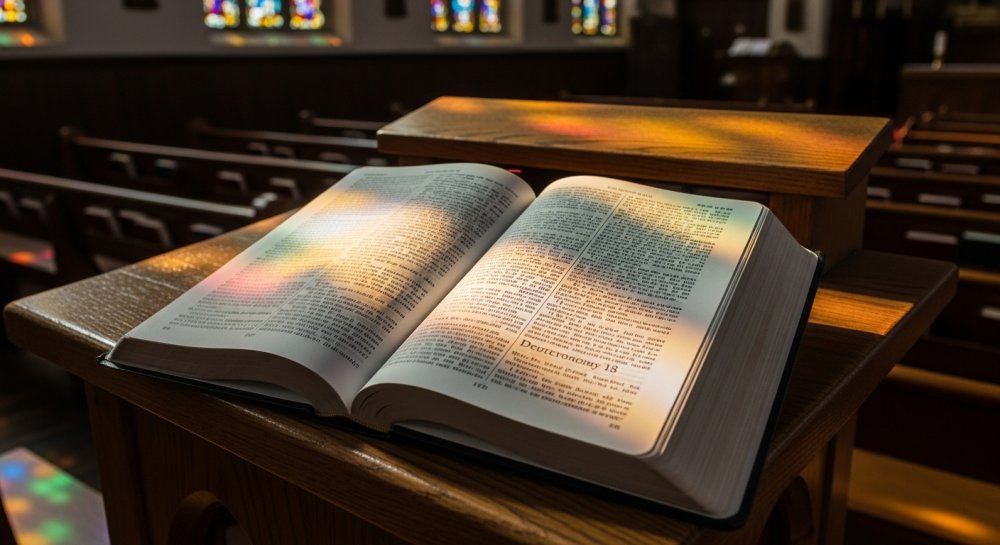
But the Bible holds prophets to a strict standard of truthfulness. Deuteronomy 18:22 makes it clear: if a prophet speaks in the Lord’s name and it doesn’t happen, that word did not come from God.
The second problematic response is dismissiveness—treating failed prophecies as minor mistakes or learning opportunities. This attitude minimizes the seriousness of speaking presumptuously in God’s name.
When leaders claim divine authority for their words, accuracy isn’t optional. God’s reputation is at stake every time someone claims to speak on His behalf.
The third unhelpful pattern is deflection. Some respond to failed prophecies by attacking those who ask for accountability, labeling discernment as divisiveness or legalism. This defensive posture protects the institution rather than the truth.
Jesus warned repeatedly about false prophets. Paul instructed the Thessalonians to test everything and hold fast to what is good. Discernment isn’t unloving—it’s obedient.
American Christians must return to biblical standards for prophecy. This means expecting accuracy, requiring repentance when predictions fail, and prioritizing God’s Word over personal platforms or reputations. The integrity of the church’s witness depends on it.
Faithful believers honor God by upholding truth, even when it’s uncomfortable. The alternative is a church weakened by compromise, where emotional experiences replace biblical authority and feelings trump facts.
Our nation needs a church grounded in Scripture, not swayed by every wind of doctrine or claim of special revelation. Testing prophecies isn’t cynicism—it’s faithfulness to the God who is truth itself.
Let us know what you think, please share your thoughts in the comments below.

Faith Facts
- Pastor Israel Ford of LifeWorks Church in Cleveland, Ohio, publicly admitted he has maintained two wives for the past three years.
- The pastor claims the practice of polygyny is endorsed by Scripture, contradicting both American law and historic Christian teaching.
- LifeWorks Church was co-founded in 2009 by Pastor Ford and his first wife, Lydia Ford.
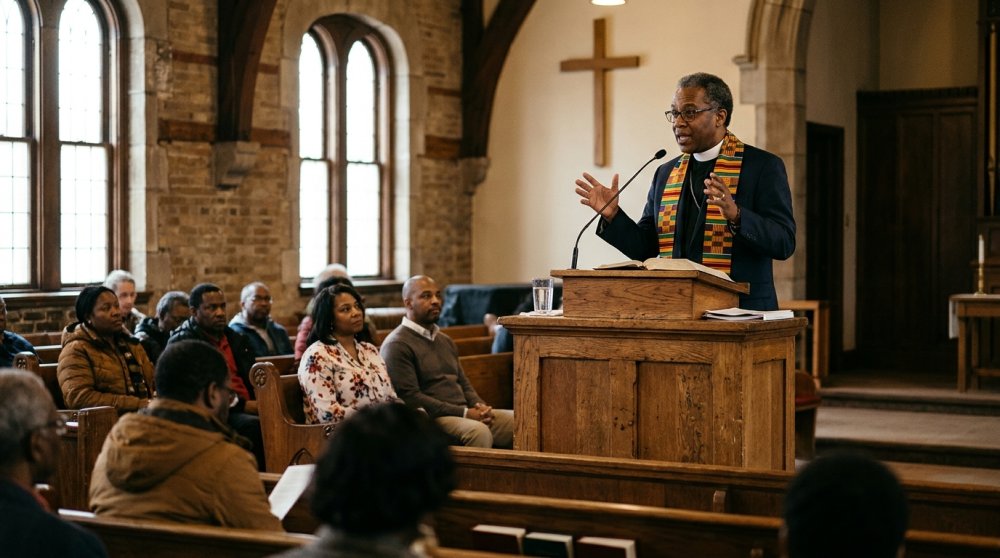
Polygyny is illegal throughout the United States, yet Pastor Israel Ford of LifeWorks Church in Cleveland, Ohio, announced from the pulpit that he has been living with two wives for three years.
Ford told his congregation that having only one wife is unbiblical and that God permits the practice.
“Having only 1 wife is ‘unbiblical'”
The church was founded in 2009 by Pastor Ford and his first wife, Lydia Ford.
Let us know what you think, please share your thoughts in the comments below.
Faith Facts
- Australian megachurch Pastor Russell Evans addressed Hispanic Christians on the need for believers to transform rather than conform to culture.
- Evans stressed that churches must remain contemporary and powerful in the ongoing battle for hearts and minds.
- The message highlights the call for Christians to actively engage and influence their generation through faith and values.
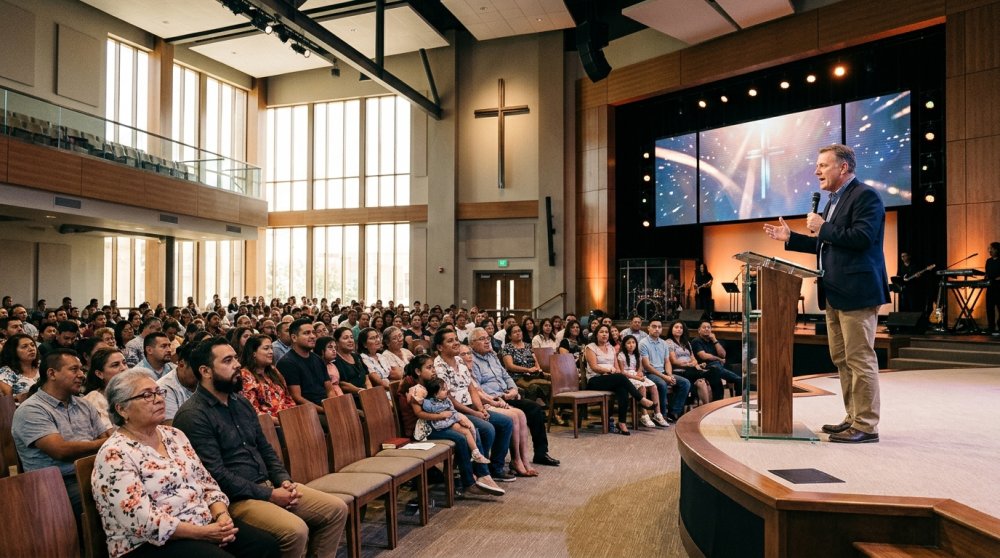
Australian megachurch Pastor Russell Evans delivered a bold challenge to Hispanic Christians, urging them to stand apart from the world while remaining engaged in it.
“Be transformers, not conformers,” Evans declared, calling believers to reject cultural compromise and instead shape society through the power of the Gospel.
Churches, he said, must be both contemporary and powerful to reach this generation amid what he described as a battle for hearts and minds.
Let us know what you think, please share your thoughts in the comments below.
Faith Facts
- Disciple-making movements emphasize serious commitment to following Christ and making other disciples
- Traditional churches and new movements both have valid concerns about how the other approaches ministry
- Church planting movement principles have shown limited growth in Western contexts compared to other parts of the world
Disciple-making movements have raised important questions about how churches in the West are making followers of Jesus. These movements point to a genuine desire for deeper commitment to the Great Commission. Their critique of traditional structures comes from a concern that many established churches have lost focus on personal discipleship.
At the same time, traditional churches have raised concerns about the sustainability and doctrinal depth of newer movements. Both perspectives reflect a shared burden for reaching people with the gospel. The tension between these approaches reveals a broader question facing American Christianity.
Church planting movement principles that have seen dramatic growth in other parts of the world have struggled to produce similar results in Western nations. Cultural differences, established religious traditions, and societal attitudes toward faith all play a role in this disparity. The challenges are complex and require thoughtful examination rather than quick solutions.
This reality challenges established churches to consider whether new approaches might be needed. The call is not to abandon biblical truth but to examine whether current methods are effectively making disciples. Many traditional congregations are beginning to ask hard questions about their own fruitfulness in fulfilling Christ’s command.
Let us know what you think, please share your thoughts in the comments below.


-

 Self-Reliance2 years ago
Trump’s Bold Move Uncovers Massive Social Security Fraud
-

 Faith2 years ago
New Clues Emerge in Noah’s Ark Mystery
-

 News2 years ago
Governor Walz’s Rhetoric Sparks National Controversy
-

 News2 years ago
Mel Gibson’s ‘The Passion of the Christ’ Sequel Title Announced
-

 Family2 years ago
Texas Lawmaker Targets Furries in Schools
-

 Freedom2 years ago
Maine Lawmaker Challenges Sports Fairness Controversy
-

 Family1 year ago
Canada’s Controversial Policy Sparks Ethical Debate
-
Faith11 months ago
Congress Hears Pleas for Nigerian Christians