
News
Why Christian Reform UK Voters Say They’re Fighting for Their Nation

Faith Facts
- Reform UK voters are increasingly motivated by Christian values and a desire to reclaim traditional national identity
- Tensions have escalated between Reform UK leader Nigel Farage and Church of England leadership over cultural and political issues
- The movement reflects growing frustration among faith-based conservatives over the direction of British society
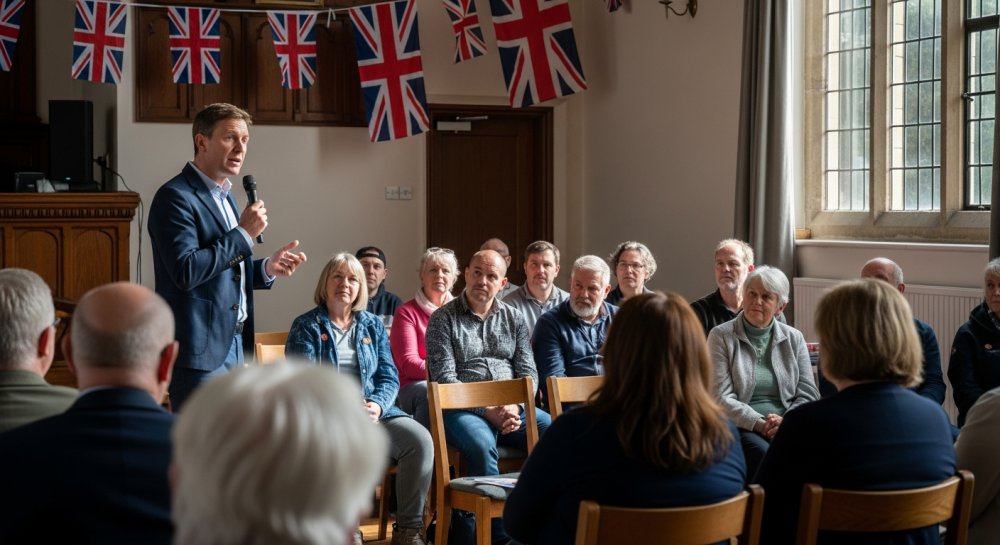
A groundswell of Christian voters in the United Kingdom is rallying behind Reform UK with a simple yet powerful message: they want their country back. This sentiment reflects deep concerns about the erosion of traditional Christian values and national identity in modern Britain.
The movement has gained momentum as Reform UK, led by prominent political figure Nigel Farage, positions itself as a defender of British heritage and Christian principles. Farage has not shied away from confrontation with established religious institutions, particularly the Church of England, whose leadership he has criticized for abandoning traditional teachings.
These clashes highlight a broader divide within British Christianity between progressive church leadership and grassroots believers who feel their voices have been marginalized. Many Reform UK supporters argue that the Church of England has become too politically correct and distant from the concerns of ordinary faithful Christians.
The desire to “take back” the country speaks to concerns about immigration policy, the preservation of Christian cultural heritage, and resistance to what many conservatives view as aggressive secularization. For these voters, Reform UK represents a political vehicle for reasserting values they believe built their nation.
Critics within mainstream media have attempted to paint this movement as divisive, but supporters counter that they are simply standing up for the faith and traditions that have defined Britain for centuries. They point to declining church attendance, changing demographics, and cultural shifts as evidence that urgent action is needed.
The growing political influence of faith-motivated Reform UK voters signals a potential realignment in British politics, where traditional Christian values are reasserting themselves in the public square. This phenomenon mirrors similar movements in other Western nations where believers are pushing back against secular progressivism.
As the next election approaches, the question remains whether this coalition of Christian conservatives can translate their passion into electoral success. What is clear is that they are no longer content to remain silent while their values are sidelined.
Let us know what you think, please share your thoughts in the comments below.

Faith Facts
- A Nigerian musician has spent over six years in prison under a death sentence for allegedly blasphemous song lyrics shared on WhatsApp.
- The Supreme Court of Nigeria has canceled his long-awaited appeal hearing, extending his imprisonment indefinitely.
- Christian and human rights advocates are calling for international attention to religious persecution and judicial overreach in northern Nigeria.
A case highlighting the dangerous intersection of religious persecution and judicial abuse continues to unfold in Nigeria, where a musician remains imprisoned under a death sentence for song lyrics he allegedly shared via WhatsApp. After more than six years behind bars, his hopes for justice have been dashed once again as the nation’s Supreme Court canceled his scheduled appeal hearing without explanation.
The musician’s plight underscores the ongoing crisis of religious freedom in northern Nigeria, where Sharia law operates alongside civil law in many states. His case has drawn concern from Christian advocacy groups and human rights organizations worldwide, who view it as emblematic of the broader persecution facing religious minorities and those accused of offending Islamic sensibilities.
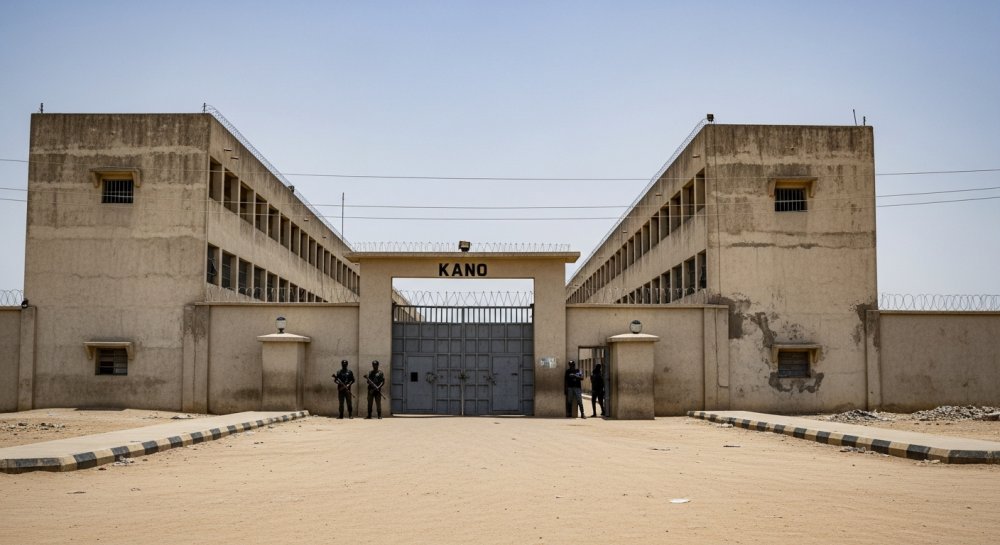
The accused was originally sentenced to death by hanging after a Sharia court in Kano State found him guilty of blasphemy for lyrics deemed offensive to Islam. The charges stemmed from a song he allegedly circulated through WhatsApp, a common communication platform in Nigeria. Critics argue the evidence was thin and the trial fundamentally flawed, raising serious questions about due process and the imposition of religious law on matters of artistic expression.
For more than six years, the man has languished in prison while navigating Nigeria’s complex legal system. His legal team had secured a Supreme Court hearing date, representing what many hoped would be a turning point in his case. However, without warning or stated justification, the court removed the case from its docket, leaving his fate in limbo once more.
The cancellation has sparked outrage among religious freedom advocates, who note that similar delays and denials of justice are common tactics used against Christians and others accused of blasphemy in the region. These cases often involve vague accusations, mob justice, and legal proceedings that fail to meet international standards of fairness.
Nigeria’s blasphemy laws, particularly as enforced in Sharia-governed northern states, have long been criticized by Western governments and human rights organizations. The laws are frequently used to settle personal scores, suppress dissent, or intimidate religious minorities. In many cases, those accused face violent mob attacks even before any trial takes place.
Christian leaders in Nigeria and abroad have called for prayer and continued advocacy on behalf of the imprisoned musician and others like him. They emphasize that religious freedom is a fundamental human right that must be protected, and that no one should face execution for expressing themselves through art or speech.
The delay in this case also highlights broader concerns about Nigeria’s judicial system, which is often plagued by corruption, inefficiency, and political interference. Supreme Court backlogs are notorious, and cases can drag on for years without resolution. For those imprisoned under harsh conditions while awaiting justice, these delays can be tantamount to a slow death sentence.
International pressure has mounted on Nigerian authorities to reform blasphemy laws and ensure fair trials for all citizens, regardless of religious background. The United States Commission on International Religious Freedom has repeatedly designated Nigeria as a Country of Particular Concern due to severe violations of religious liberty.
As the musician enters his seventh year of imprisonment, his case serves as a sobering reminder of the persecution believers and others face in regions where religious extremism holds sway. His indefinite wait for justice underscores the urgent need for continued prayer, advocacy, and international pressure to protect religious freedom and human rights in Nigeria and around the world.
Let us know what you think, please share your thoughts in the comments below.
Faith Facts
- A federal judge dismissed a class-action lawsuit against Gateway Church and former pastor Robert Morris, citing First Amendment protections that prevent civil courts from adjudicating how churches manage charitable funds.
- The lawsuit alleged misappropriation of millions in tithes and donations, but the court ruled that such disputes fall under ecclesiastical matters protected by religious freedom.
- The decision reinforces the constitutional separation between church governance and state interference, a principle central to American religious liberty.
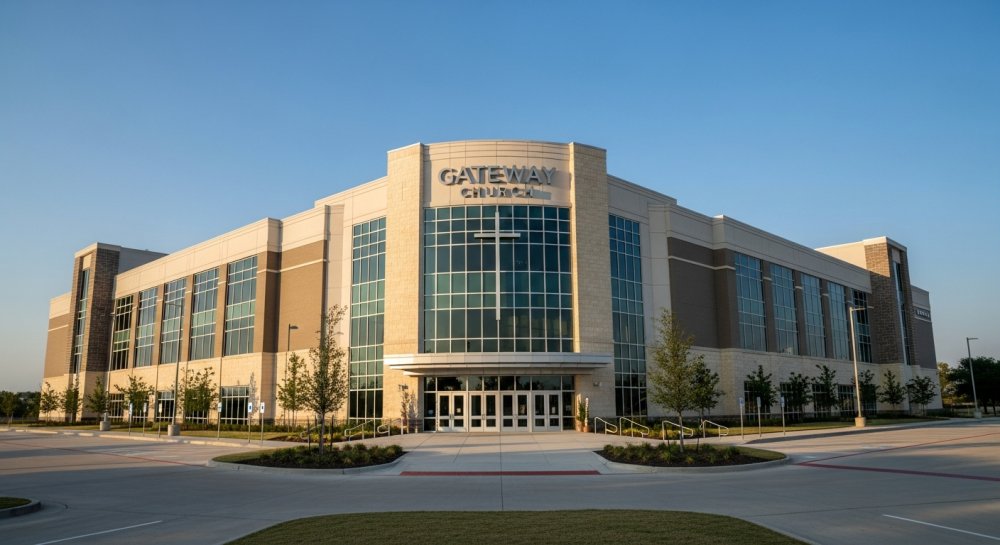
A significant legal victory for religious freedom has emerged from a Texas courtroom, where a federal judge has dismissed a class-action lawsuit targeting Gateway Church and its former leadership. The suit had accused the church of misusing millions of dollars in congregant donations.
U.S. District Judge ruled that the First Amendment’s protection of religious institutions prevents civil courts from intervening in matters of church governance, including how churches collect, manage, and distribute charitable contributions. This constitutional shield exists to preserve the independence of religious organizations from government oversight in their internal affairs.
The lawsuit had sought to hold Gateway Church and former pastor Robert Morris accountable for alleged financial mismanagement. Plaintiffs claimed that tithes and offerings were not used in accordance with donor expectations or biblical principles.
However, the court determined that adjudicating such claims would require judicial authorities to interpret religious doctrine and evaluate ecclesiastical decisions—actions explicitly prohibited under the First Amendment’s Establishment and Free Exercise Clauses. The ruling reinforces longstanding precedent that civil courts must remain neutral in matters of church polity and religious practice.
This decision underscores a fundamental principle of American constitutional law: the separation of church and state protects not only individuals’ freedom to worship, but also religious institutions’ autonomy to govern themselves according to their own beliefs and traditions. Courts have consistently held that government interference in church operations threatens the very foundation of religious liberty.
For Christian conservatives, this ruling represents an important safeguard against encroachment on church independence. While financial transparency and accountability remain important values within church communities, the constitutional framework recognizes that such matters must be resolved through internal church processes, denominational structures, or voluntary accountability mechanisms—not through litigation that would empower secular courts to dictate religious practices.
The case highlights the ongoing tension between calls for institutional accountability and the preservation of religious autonomy. Many faith leaders have expressed concern that allowing courts to second-guess ecclesiastical decisions about resource allocation could open the door to broader government interference in church affairs, from hiring decisions to theological teachings.
Gateway Church has faced scrutiny in recent months following revelations about former pastor Robert Morris. The dismissal of this lawsuit, however, centers not on the merits of the underlying allegations but on the constitutional barriers that prevent civil courts from assuming jurisdiction over such disputes.
Legal experts note that the ruling aligns with decades of Supreme Court precedent affirming that religious organizations must be free to manage their internal affairs without judicial oversight. This principle has been applied across denominations and faith traditions, protecting the pluralistic religious landscape that characterizes American society.
The decision serves as a reminder that religious liberty includes not just individual conscience rights, but also the institutional independence necessary for churches to function according to their own convictions. As threats to religious freedom continue to emerge in various contexts, this ruling reaffirms that constitutional protections for faith communities remain robust.
Let us know what you think, please share your thoughts in the comments below.
Faith Facts
- A DEA whistleblower alleges federal agents allowed hundreds of thousands of fentanyl pills to be distributed in New Mexico communities
- Law enforcement officials and elected leaders are expressing outrage, warning that lives were likely lost due to this investigative tactic
- The revelation raises serious moral questions about government priorities and the value of human life in federal operations
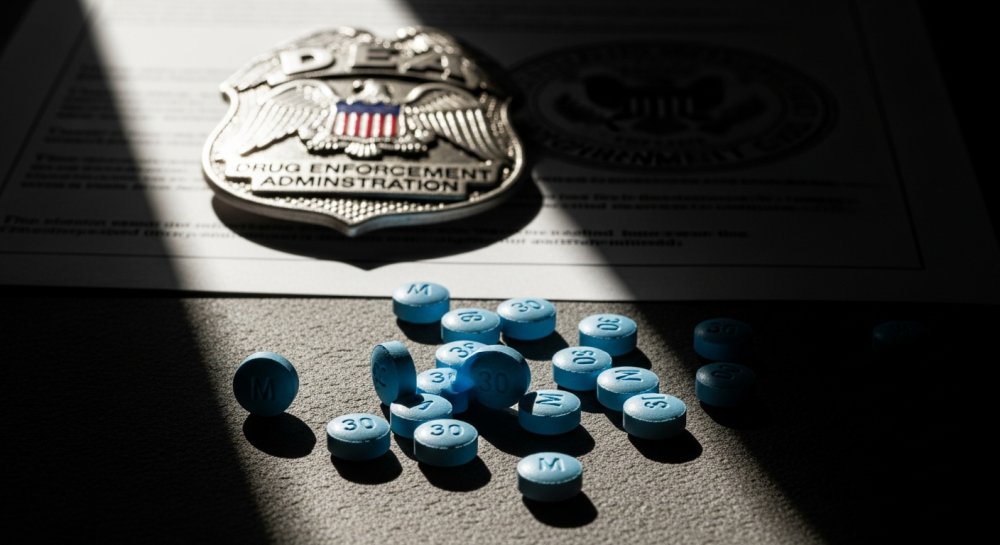
A shocking allegation has emerged from within the U.S. Drug Enforcement Administration, with a whistleblower claiming that federal agents deliberately allowed hundreds of thousands of deadly fentanyl pills to circulate through New Mexico communities. The tactic, reportedly part of a broader investigation, has ignited fierce criticism from law enforcement officials and elected representatives who believe it may have resulted in preventable deaths.
The controversy centers on a fundamental question that should trouble every American who values human life: At what point does a federal investigation cross the line from law enforcement into complicity with evil? When government agents knowingly permit poison to flow into communities—into the hands of vulnerable Americans, including young people—they abandon their sacred duty to protect the innocent.
This is not merely a policy dispute or a debate about investigative tactics. This is about the value we place on human life, particularly the lives of those caught in the deadly grip of addiction. For Christians who believe that every person bears the image of God, the alleged decision to let these dangerous drugs reach American families represents a profound moral failing.
The fentanyl crisis has devastated communities across our nation, tearing apart families and claiming tens of thousands of lives each year. Parents have buried children. Children have lost parents. Communities have watched as the social fabric that holds them together has been shredded by this deadly substance, much of which flows across our southern border from Mexican cartels.
One source familiar with the situation reportedly stated that the operation amounted to poisoning their own community—a damning assessment that should haunt everyone involved in the decision-making process. When those sworn to protect us instead facilitate harm, trust in our institutions crumbles.
The reactions from officials reflect a growing frustration with federal agencies that seem more interested in building cases than protecting citizens. Law enforcement exists to serve the people, not to use them as pawns in elaborate investigations that may look impressive on paper but leave destruction in their wake.
This situation also highlights a broader problem with government overreach and misplaced priorities. While federal agents were allegedly allowing fentanyl to flow freely, ordinary Americans were dying. Families were being destroyed. Communities were crying out for help. Yet the machinery of federal investigation apparently ground forward, heedless of the human cost.
For Christian conservatives who believe in limited government and local control, this case illustrates why we must be skeptical of concentrated federal power. When bureaucrats in distant offices make decisions that directly impact local communities, accountability disappears. The people making these choices don’t attend the funerals. They don’t counsel the grieving parents. They don’t see the faces of those whose lives are shattered.
The alleged actions also raise serious questions about the rule of law. If federal agents can decide which laws to enforce and when—if they can choose to let criminals operate freely when it suits their purposes—then we no longer have equal justice under law. We have a system where federal officials pick winners and losers, deciding whose safety matters and whose doesn’t.
Furthermore, this controversy comes at a time when Americans’ faith in federal institutions is already deeply eroded. From politicized investigations to selective enforcement, citizens have watched as agencies that should serve the public interest often seem to serve their own. This latest revelation will only deepen that distrust.
The fentanyl crisis demands urgent action, moral clarity, and a commitment to protecting American lives above all else. It requires securing our borders to stop the flow of these deadly substances. It requires holding dealers and traffickers accountable. And it requires federal agencies that put American lives first, not investigative glory or bureaucratic goals.
As this story develops, Americans deserve full transparency about what happened, who authorized it, and what safeguards exist to prevent such decisions in the future. The families who have lost loved ones to fentanyl deserve to know whether federal policies contributed to their tragedy.
Most importantly, this situation calls for a return to first principles: that government exists to protect the innocent, that human life has infinite value, and that no investigation—however important it may seem—justifies deliberately exposing communities to deadly poison. These are not radical ideas. They are the bedrock of civilized society and the foundation of just governance.
Let us know what you think, please share your thoughts in the comments below.


-

 Self-Reliance1 year ago
Trump’s Bold Move Uncovers Massive Social Security Fraud
-

 Faith1 year ago
New Clues Emerge in Noah’s Ark Mystery
-

 News1 year ago
Governor Walz’s Rhetoric Sparks National Controversy
-

 News1 year ago
Mel Gibson’s ‘The Passion of the Christ’ Sequel Title Announced
-

 Family1 year ago
Texas Lawmaker Targets Furries in Schools
-

 Freedom1 year ago
Maine Lawmaker Challenges Sports Fairness Controversy
-

 Family1 year ago
Canada’s Controversial Policy Sparks Ethical Debate
-
Faith7 months ago
Congress Hears Pleas for Nigerian Christians