
News
Pakistan Investigates Forced Marriage Case After Christian Teen’s Kidnapping Sparks International Outcry

Faith Facts
- Pakistan’s government has formed an official committee to investigate the forced conversion and marriage of Sarish Barkat Masih, a 13-year-old Christian girl from Faisalabad.
- The case has drawn international attention to the ongoing persecution of religious minorities in Pakistan, where an estimated 1,000 Christian and Hindu girls are kidnapped annually for forced marriages.
- Christian advocacy groups continue to pressure Pakistani authorities for justice and systemic reforms to protect vulnerable religious minorities.
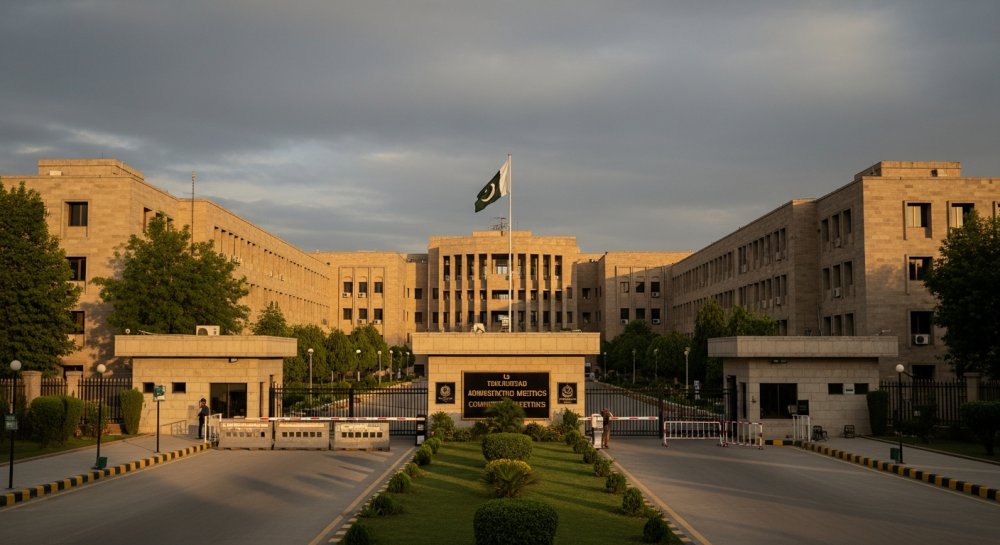
The Pakistani government has taken a rare step in response to mounting international pressure by establishing an official committee to review the forced marriage of a Christian teenager. The case highlights the severe persecution faced by religious minorities in the Islamic Republic and has reignited calls for stronger protections for vulnerable populations.
Sarish Barkat Masih, just 13 years old, was abducted from her home in Faisalabad earlier this year. Her family reports she was forcibly converted to Islam and married to an adult Muslim man against her will. Such cases have become tragically common in Pakistan, where religious minorities—particularly Christians and Hindus—face systematic discrimination and violence.
The formation of the investigative committee comes after sustained advocacy by Christian organizations and human rights groups worldwide. While the exact number of minority girls abducted annually remains unclear due to underreporting and official indifference, estimates suggest that approximately 1,000 Christian and Hindu girls suffer this fate each year in Pakistan.
Many of these cases follow a disturbing pattern: young girls are kidnapped, forcibly converted to Islam, and married to their abductors. Pakistani courts often side with the kidnappers, citing the girl’s “conversion” as voluntary and dismissing family testimony. The victims’ ages are frequently misrepresented in legal documents to circumvent child marriage laws.
“These are not isolated incidents,” said one Christian advocacy leader familiar with the situation. “This is a systematic targeting of our community’s most vulnerable members—our daughters. The establishment of this committee is a small step, but we need comprehensive legal reform and actual enforcement.”
The committee’s formation represents a potential breakthrough in a country where religious minorities constitute less than four percent of the population yet bear a disproportionate burden of persecution. Christians in Pakistan face discrimination in employment, education, and legal proceedings, with blasphemy laws often weaponized against them.
Faith-based organizations in the United States have long advocated for Pakistan to be designated as a “Country of Particular Concern” for religious freedom violations. The U.S. Commission on International Religious Freedom has repeatedly documented Pakistan’s systematic persecution of religious minorities in its annual reports.
The outcome of this committee’s investigation will serve as a critical test of Pakistan’s commitment to protecting its religious minorities. Christian leaders are cautiously hopeful but remain skeptical given the country’s poor track record on such cases.
Sarish’s family continues to seek her safe return and the prosecution of those responsible for her abduction. Their struggle represents the plight of countless families across Pakistan who have lost daughters to this form of religious persecution.
American Christians are urged to keep Pakistan’s persecuted believers in their prayers and to support organizations working to provide legal assistance and advocacy for victims of religious violence.
Let us know what you think, please share your thoughts in the comments below.

Faith Facts
- Pete Greig, founder of 24-7 Prayer, addressed the Wildfires festival calling for prayer regarding national defense.
- Alan Storkey argues that increased military spending conflicts with the Christian call to peace.
- The discussion highlights ongoing tensions between traditional Christian values of peace and national security concerns.
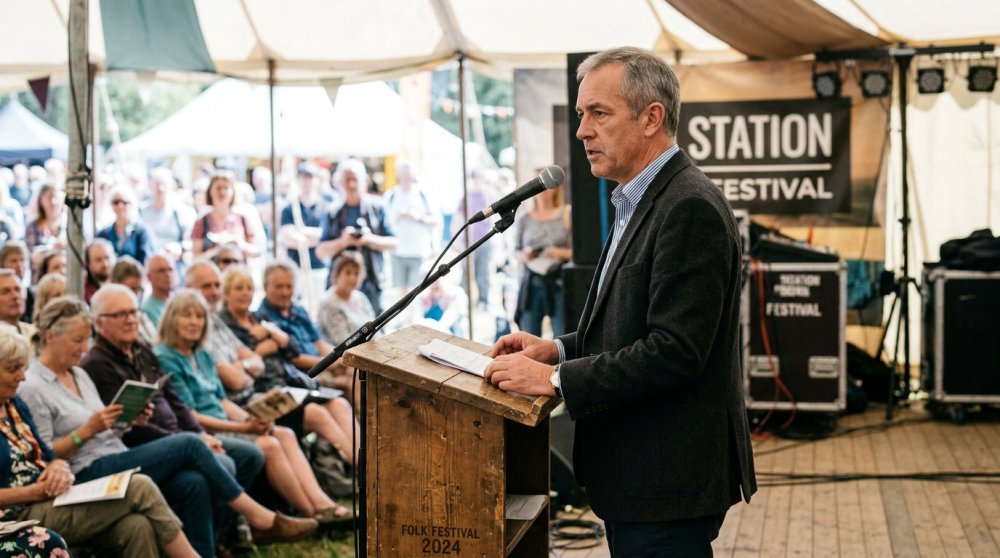
During a recent appearance at the Wildfires festival, Pete Greig, leader of 24-7 Prayer, urged Christians to pray for peace while also calling on the UK Prime Minister to increase defense spending. The remarks sparked debate among believers about how faith communities should respond to growing global instability.
Alan Storkey, a Christian commentator, responded to Greig’s message by questioning whether higher military budgets align with the Gospel’s emphasis on peace. Storkey argues that Christians have a responsibility to seek solutions that reduce conflict rather than prepare for it.
“Prepare for war,” Greig stated during his talk, emphasizing the need for stronger national defense in uncertain times.
Storkey counters that such an approach risks escalating tensions rather than resolving them. He suggests that prayer for wisdom in foreign policy and diplomatic solutions should take precedence over increased military expenditure.
The exchange reflects broader conversations within Christian circles about how believers should engage with issues of war, peace, and government policy. Many traditional Christians continue to wrestle with balancing national security concerns against biblical calls for peacemaking.
Let us know what you think, please share your thoughts in the comments below.
Faith Facts
- Samuel Rodriguez is a prominent Hispanic evangelical leader focused on faith, family, and freedom.
- Conservative values emphasize personal responsibility, limited government, and secure borders.
- Latino voters have historically prioritized faith-based principles and traditional American ideals.
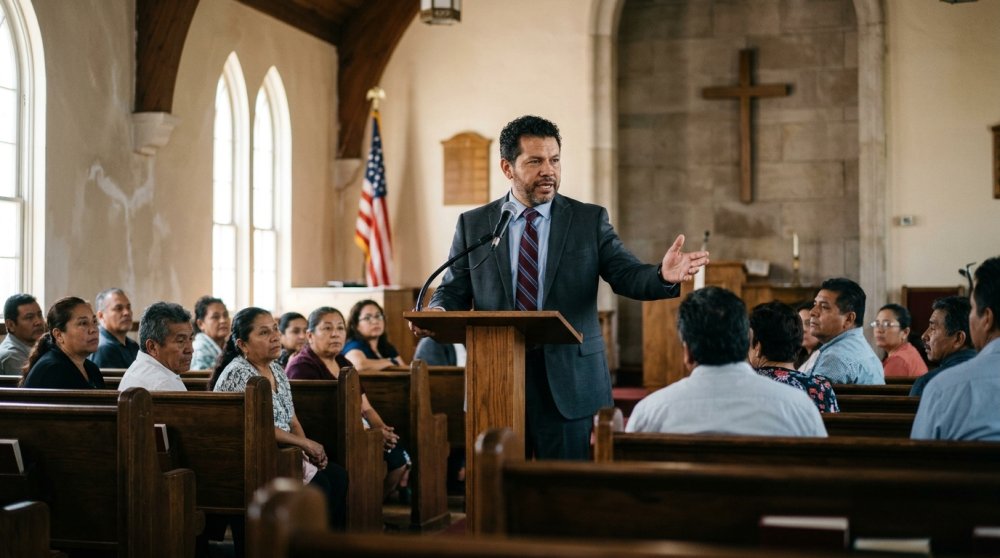
Samuel Rodriguez, president of the National Hispanic Christian Leadership Conference, warned that Republican candidates could face significant Latino voter abstention during the 2026 midterm elections. He attributes this risk to rising living costs and the Trump administration’s firm immigration policies.
"Hispanic Evangelical leader Samuel Rodriguez believes conservatives could most certainly lose ground with Latino voters in the 2026 midterm elections through what he calls votes of abstention as the community struggles with higher costs of living and the Trump administration’s aggressive immigration enforcement."
Rodriguez highlights that many Latino families are feeling financial strain from inflation and everyday expenses. These pressures, combined with strict border enforcement, may lead some voters to stay home on election day.
"Hispanic Evangelical leader Samuel Rodriguez believes conservatives could most certainly lose ground with Latino voters in the 2026 midterm elections through what he calls votes of abstention as the community struggles with higher costs of living and the Trump administration’s aggressive immigration enforcement."
While acknowledging the importance of border security, Rodriguez urges Republican leaders to communicate their policies with compassion and clarity to maintain support among faith-minded Latino voters.
Let us know what you think, please share your thoughts in the comments below.
Faith Facts
- Scripture warns against false witness and calls believers to defend truth with love and clarity.
- Christian teaching upholds the unique biblical connection of the Jewish people to the land of Israel.
- Faithful Christians are called to stand with Israel and reject rhetoric that distorts history or stirs division.
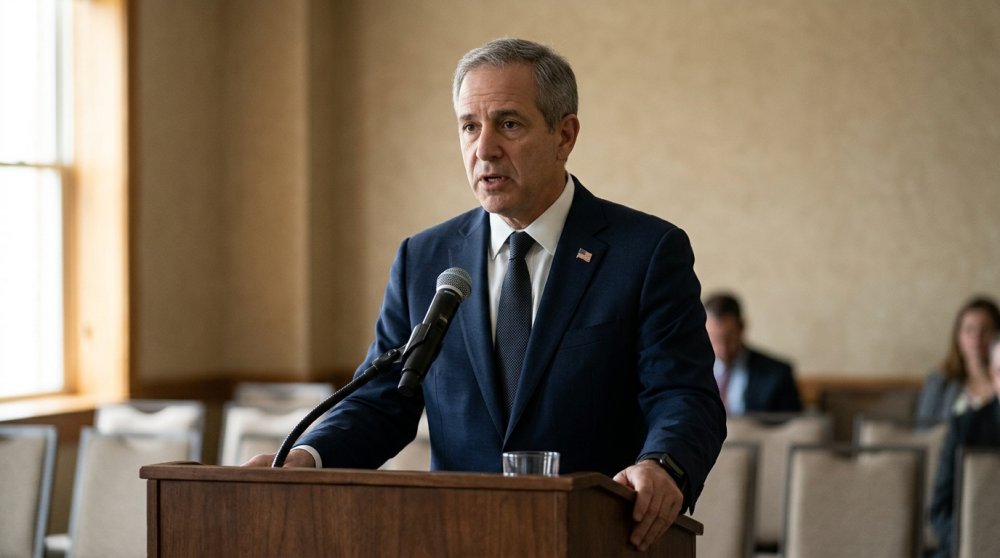
Former President Barack Obama recently told an audience in Belfast that the Jews “took land off people” and were “excessive.” The remarks drew swift and pointed criticism from Elisha Wiesel, son of the late Nobel laureate Elie Wiesel. Wiesel’s public response highlighted the troubling nature of the former president’s language.
Christians who hold to the authority of Scripture recognize that such statements misrepresent both history and God’s covenant promises. The Bible consistently affirms the Jewish people’s connection to the land of Israel, from Genesis through the prophets.
“It is dangerous for a former president of the United States to use such language,” Elisha Wiesel stated.
The comment comes amid ongoing global debates over Israel’s right to exist and defend itself. Many American believers see these discussions as spiritual as well as political, rooted in the promises recorded in Scripture.
“Words have consequences, especially when spoken by those who once held the highest office in our nation,” Wiesel added.
Faithful Christians are increasingly vocal in their support for Israel and their concern over rhetoric that echoes historic patterns of blame. Standing with the Jewish people remains a matter of biblical conviction for many American believers.
Let us know what you think, please share your thoughts in the comments below.


-

 Self-Reliance2 years ago
Trump’s Bold Move Uncovers Massive Social Security Fraud
-

 Faith2 years ago
New Clues Emerge in Noah’s Ark Mystery
-

 News2 years ago
Governor Walz’s Rhetoric Sparks National Controversy
-

 News2 years ago
Mel Gibson’s ‘The Passion of the Christ’ Sequel Title Announced
-

 Family2 years ago
Texas Lawmaker Targets Furries in Schools
-

 Freedom2 years ago
Maine Lawmaker Challenges Sports Fairness Controversy
-

 Family1 year ago
Canada’s Controversial Policy Sparks Ethical Debate
-
Faith11 months ago
Congress Hears Pleas for Nigerian Christians