
Faith
Why England’s Patron Saint Matters More Than Ever

Faith Facts
- Saint George, England’s patron saint, was a Roman soldier martyred around 303 AD for refusing to renounce his Christian faith
- Saint George’s Day is celebrated annually on April 23rd, honoring his courage and steadfast devotion to Christ
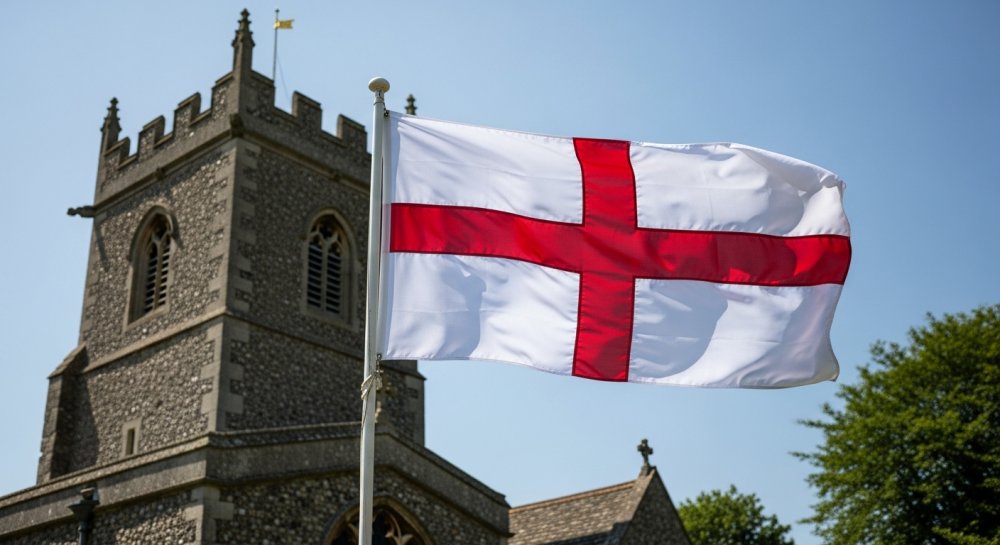
- The red cross of Saint George has symbolized English Christianity and national identity for over seven centuries
As England observes Saint George’s Day, one writer’s heartfelt letter reminds us why this ancient Christian warrior saint remains relevant to believers today. In an age when faith is often marginalized and Christian values are under assault, Saint George’s example of courage and unwavering commitment to Christ speaks powerfully to modern Christians.
Peter Crumpler has penned a moving tribute to England’s patron saint, expressing gratitude for the example this early Christian martyr set for generations of believers. Saint George’s willingness to sacrifice everything rather than deny his Lord stands as a timeless testament to the cost of discipleship.
The story of Saint George reminds us that Christian faith has always required courage. This Roman soldier of the third century faced a choice that many believers around the world still face today: compromise your faith or face persecution. Saint George chose Christ over comfort, eternal glory over earthly safety.
For English Christians, Saint George represents more than just national heritage—he embodies the fusion of faith and culture that once defined Western civilization. His red cross banner has flown over English churches and battlefields for centuries, a visible reminder that this nation was built on Christian foundations.
In our contemporary moment, when religious liberty faces new challenges and Christianity is often treated with hostility in public spaces, Saint George’s example calls believers back to first principles. Faith is not a private hobby or cultural accessory—it is the central organizing truth of reality, worth living for and, if necessary, dying for.
The veneration of saints like George connects modern believers to the great cloud of witnesses described in Scripture. These heroes of the faith blazed a trail through persecution, doubt, and cultural opposition, proving that God empowers His people to stand firm in every generation.
Saint George’s story also reminds us of Christianity’s historical depth and global reach. Before England was England, before the modern West existed, Christians were suffering and dying for their faith across the Roman Empire. The faith we practice today was purchased at great cost by believers who valued eternal truth above temporary safety.
As Western culture increasingly abandons its Christian heritage, the observance of days like Saint George’s Day takes on renewed importance. These traditions root us in a story larger than ourselves, connecting us to centuries of faithful witness and reminding us that we are part of an unbroken chain of believers stretching back to the apostles.
For American Christians observing from across the Atlantic, England’s patron saint offers lessons applicable to our own context. We too face a culture that often views Christianity with suspicion or outright hostility. We too must choose whether to stand firm or accommodate to the spirit of the age.
Saint George’s legacy challenges comfortable Christianity. He was not a cultural Christian or nominal believer—he was willing to lose everything for Christ. His example asks searching questions: What would we sacrifice for our faith? Where do we draw the line? What hills are we willing to die on?
The letter to Saint George serves as more than historical appreciation—it is a call to remember and emulate the courage of those who have gone before. In an era of compromise and cultural Christianity, we need the witness of believers like George who counted the cost and chose Christ anyway.
As England marks Saint George’s Day, Christians everywhere can reflect on this soldier-saint’s powerful testimony. His life and death remind us that authentic Christianity has always demanded courage, sacrifice, and unwavering commitment to the truth of the Gospel.
Let us know what you think, please share your thoughts in the comments below.

Faith Facts
- The Pew Research Center released its Future of World Religions report on 18 November 2026, projecting changes in religious populations over the next fifty years.
- Islam is projected to surpass Christianity as the world’s largest religious group.
- Scripture calls believers to respond with faith rather than fear to shifting global demographics.
The Pew Research Center’s latest projection on the future of world religions has stirred discussion among believers worldwide. The report released on 18 November 2026 outlines how seven major religious groups are expected to evolve over the coming decades.
Many Christians may feel uneasy at the suggestion that Islam could become the largest religious group globally. Yet scripture reminds us that God’s truth is not determined by numbers or popularity.
“Have I not commanded you? Be strong and courageous. Do not be afraid; do not be discouraged, for the Lord your God will be with you wherever you go.”
Joshua 1:9 offers a clear directive for believers facing uncertain times. The call is not to retreat or despair but to stand firm in faith.
Projections about religious growth should not shake the confidence of those who follow Christ. The mission of the Church remains unchanged regardless of demographic trends.
“And surely I am with you always, to the very end of the age.”
Jesus’ promise in Matthew 28:20 reassures believers that His presence endures beyond any statistical shift. The Great Commission continues to guide Christian witness.
Instead of fear, believers are called to prayer, bold proclamation, and faithful living. The future of the Church rests in God’s hands, not in population charts.
Let us know what you think, please share your thoughts in the comments below.
Faith Facts
- Nigeria and North Korea rank among the world’s top ten nations for severe Christian persecution.
- Believers in these regions face imprisonment, violence, and death for their faith.
- Reports show that many persecuted Christians respond with forgiveness rather than hatred.
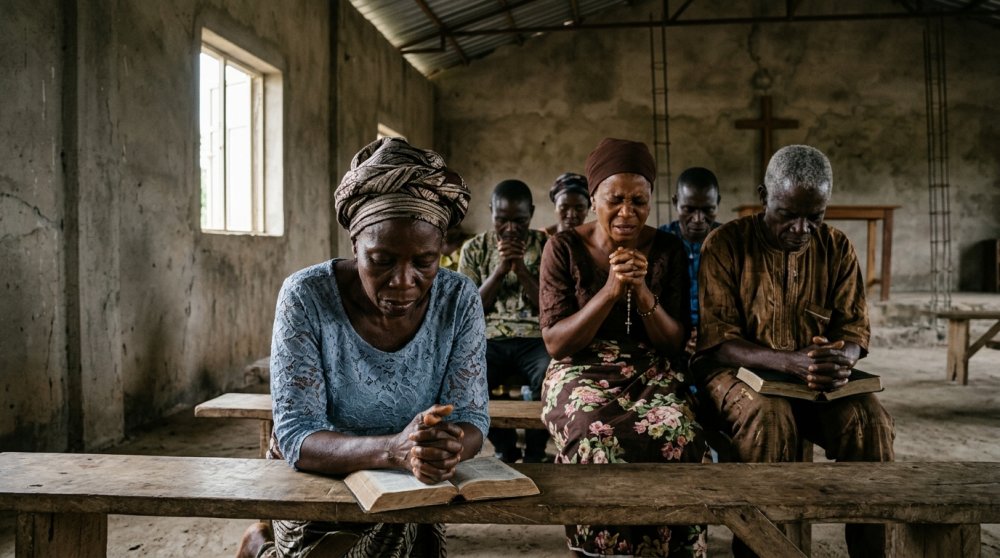
Christian communities around the world continue to face intense persecution for their faith.
Two nations stand out as the most hostile environments for believers today.
In Nigeria and North Korea, followers of Christ endure systematic oppression and violence.
Despite these dangers, many persecuted Christians speak openly about the sustaining power of their faith.
They also testify to the grace that allows them to forgive those who persecute them.
Reports indicate that this response of forgiveness stands in stark contrast to the hatred directed against them.
Let us know what you think, please share your thoughts in the comments below.
Faith Facts
- Scripture teaches that the Holy Spirit intercedes for believers with groanings too deep for words when human language fails.
- Christian tradition holds that God hears the heart’s cry even when spoken prayer seems impossible.
- Believers are encouraged to draw near to God in faith trusting His promises of presence and comfort.
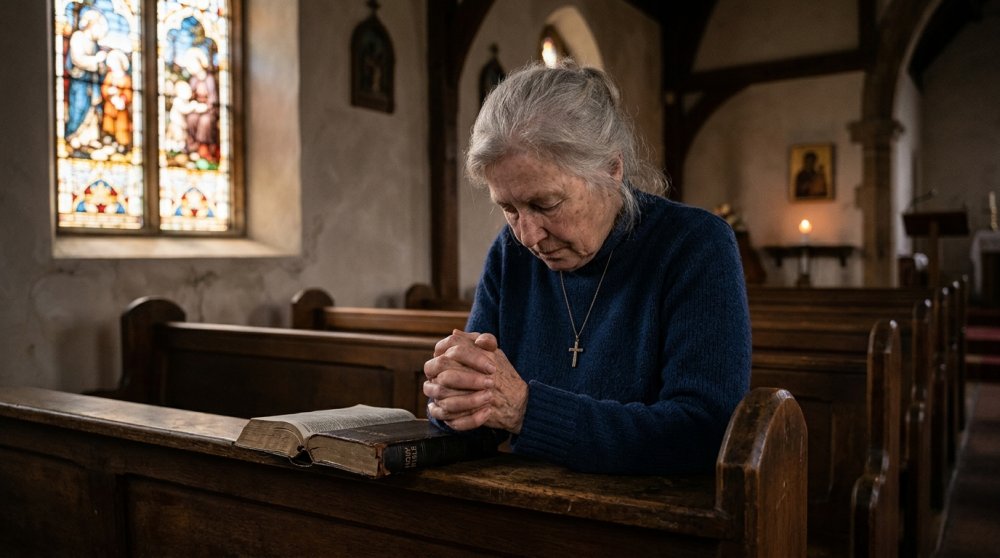
What do you do when you need God and cannot find the words to pray? The question strikes at the core of every believer’s walk with Christ.
Scripture offers both comfort and direction in such moments. Romans 8 reminds us that the Spirit Himself intercedes for us.
“Likewise the Spirit helps us in our weakness. For we do not know what to pray for as we ought, but the Spirit himself intercedes for us with groanings too deep for words.”
This divine intercession assures Christians that their prayers need not be eloquent to reach heaven. God values sincerity over polished phrases.
Many saints throughout history have testified to seasons of wordless communion with the Lord. Their experience echoes the truth that presence often matters more than perfect speech.
“Be still, and know that I am God.”
Psalm 46:10 continues to guide believers who struggle to articulate their needs. Silence before the throne can become its own powerful prayer.
Practical steps include opening the Bible and allowing God’s Word to speak when personal words fail. Reading Scripture slowly can stir the heart toward renewed trust.
Some Christians also find strength by simply repeating the name of Jesus or by offering a single honest sentence such as “Lord have mercy.”
“The Lord is near to all who call on him, to all who call on him in truth.”
Psalm 145:18 reinforces the promise that God draws close to those who seek Him even without polished prayers. His faithfulness does not depend on our eloquence.
Ultimately the answer to wordless seasons lies in resting on God’s character rather than on our own ability to perform. The Father knows what His children need before they ask.
Let us know what you think, please share your thoughts in the comments below.


-

 Self-Reliance2 years ago
Trump’s Bold Move Uncovers Massive Social Security Fraud
-
 Faith2 years ago
New Clues Emerge in Noah’s Ark Mystery
-

 News2 years ago
Governor Walz’s Rhetoric Sparks National Controversy
-

 News2 years ago
Mel Gibson’s ‘The Passion of the Christ’ Sequel Title Announced
-

 Family2 years ago
Texas Lawmaker Targets Furries in Schools
-

 Freedom2 years ago
Maine Lawmaker Challenges Sports Fairness Controversy
-

 Family2 years ago
Canada’s Controversial Policy Sparks Ethical Debate
-
Faith1 year ago
Congress Hears Pleas for Nigerian Christians