
Faith
Churches Embrace Mental Health Talk — But Pastors Are Being Left Behind


Faith Facts
- Churches are increasingly discussing mental health openly, but many lack the structural support systems needed to care for their own leaders and pastors.
- Experts warn that without proper care structures, the Church risks offering ‘cheap healing’ that sounds compassionate but fails to address deeper spiritual and emotional wounds.
- Pastoral burnout and mental health struggles are rising, yet many ministry leaders still face stigma when seeking help within their own congregations.
Across America, churches are finally breaking the silence on mental health. From the pulpit to small groups, conversations about anxiety, depression, and emotional wellness have become more common than ever before. But as these discussions grow louder, a troubling gap has emerged: while congregations talk more openly about mental health, the very leaders guiding these conversations often have nowhere to turn when they struggle themselves.
Michael Tang, a respected voice on faith and wellness, argues that despite increased awareness, the Church has failed to build the necessary structures of care to support those who are hurting. Without these systems in place, he warns, churches risk settling for what he calls “cheap healing” — an approach that feels meaningful in the moment but leaves deeper wounds unaddressed.
“We’ve become very good at talking about mental health,” Tang explains. “But talking isn’t the same as caring. Real care requires intentional structures, resources, and a willingness to walk alongside people through the hardest seasons of their lives.”
The issue is particularly acute for pastors and ministry leaders. These men and women carry heavy burdens: they counsel the grieving, support the struggling, and shepherd their flocks through cultural turbulence. Yet when they face their own battles with burnout, depression, or anxiety, many find themselves isolated, with few safe places to seek help within their own church communities.
Research confirms what many pastors already know: ministry leadership takes a significant toll on mental and emotional health. Long hours, high expectations, and the weight of spiritual responsibility create a pressure cooker environment. Add to that the cultural expectation that pastors should have it all together spiritually, and it’s no wonder many suffer in silence.
The stigma remains real. Despite growing openness about mental health among congregants, many church leaders still fear judgment or loss of respect if they admit to struggling. They worry that vulnerability might be seen as spiritual weakness or a lack of faith. This creates a dangerous double standard: churches encourage members to seek help, but leaders feel they must maintain an image of unwavering strength.
Tang challenges this approach, arguing that authentic healing requires more than good intentions or occasional sermons on mental wellness. It demands deliberate investment in care systems: access to Christian counselors, peer support networks for pastors, sabbatical policies that allow for rest and recovery, and church cultures that normalize seeking help.
“Cheap healing makes us feel like we’re doing something without actually doing the hard work of caring,” he notes. “It’s easier to host a mental health awareness Sunday than to create ongoing support structures. But awareness without action is just noise.”
The consequences of this gap are serious. Pastoral burnout rates continue to climb, with many leaving ministry altogether. The mental and spiritual health of church leaders directly impacts their congregations, their families, and their own walks with faith. When pastors are depleted and unsupported, everyone suffers.
Some churches are beginning to address this crisis intentionally. They’re establishing pastor care teams, providing mental health benefits, creating peer support groups, and building partnerships with Christian counseling organizations. These congregations recognize that supporting their leaders isn’t just compassionate — it’s essential for healthy, sustainable ministry.
The path forward requires churches to match their words with action. If mental health truly matters, then caring for those who lead must become a priority, not an afterthought. This means allocating resources, challenging stigma within leadership circles, and creating cultures where vulnerability is seen as strength, not weakness.
For a Church that proclaims the healing power of Christ, settling for cheap substitutes dishonors both the message and the messengers. True healing — the kind that transforms lives and communities — requires structures of care built on the foundation of biblical love and genuine commitment to one another’s wellbeing.
As congregations continue navigating mental health conversations, the question remains: will the Church rise to meet the needs of those who serve faithfully on the front lines? Or will leaders continue to carry their burdens alone, hidden behind smiles and sermons, while the pews talk about wellness they themselves cannot access?
Let us know what you think, please share your thoughts in the comments below.

Faith Facts
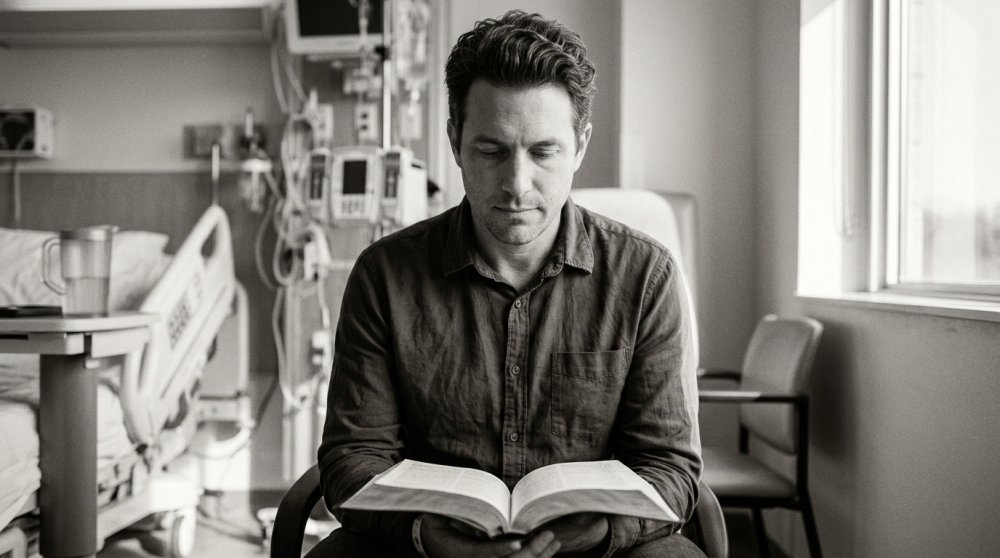
- Dylan Mandell, a Christian social media influencer, has received his fourth cancer diagnosis in four years.
- Mandell publicly declares he is standing on God’s promise of long life despite the repeated health trials.
- The influencer’s testimony highlights unwavering faith and reliance on Scripture amid suffering.
Christian social media influencer Dylan Mandell has been diagnosed with cancer for the fourth time in four years. Yet he refuses to let fear define his story. Instead, he is clinging to the biblical promise of long life.
“I am holding on to God’s promise of long life,” Mandell said. The statement reflects his determination to trust Scripture even when circumstances appear grim.
Family, friends, and followers have rallied around Mandell as he faces this latest battle. His transparency about his health has encouraged many believers to strengthen their own faith during trials.
Through every diagnosis, Mandell has pointed others back to the Word of God. He continues to share messages of hope grounded in Scripture rather than statistics.
Let us know what you think, please share your thoughts in the comments below.
Faith Facts
- Frank Turek continues sharing the Gospel on college campuses despite the trauma of witnessing Charlie Kirk’s assassination.
- Turek credits his faith in Christ for helping him process the violence and remain committed to truth.
- The Christian apologist warns that America is engaged in a spiritual battle over reality itself.
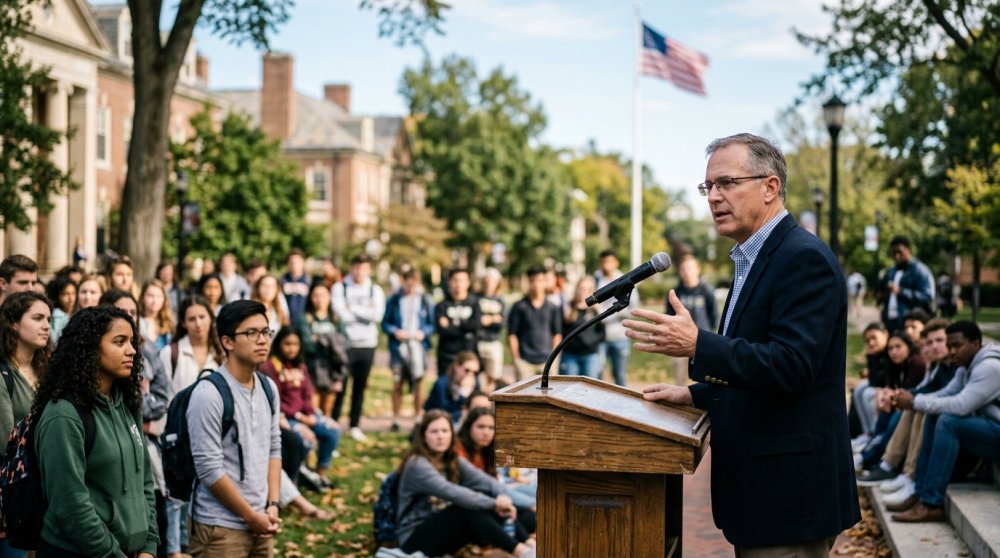
Christian apologist Frank Turek has spoken candidly about the profound effect of watching Charlie Kirk’s assassination unfold before his eyes. The shocking act of violence has not silenced his message. Instead, it has strengthened his resolve to continue proclaiming the Gospel on university campuses across the nation.
Turek explained that his faith has been the anchor keeping him steady through the aftermath of the tragedy. He described turning to Scripture and prayer as he grappled with the reality of what he witnessed. That same faith now fuels his determination to keep engaging students with biblical truth.
“The war on reality is real, and it is spiritual,” Turek stated.
He emphasized that the same cultural forces celebrating the murder of Charlie Kirk are the forces actively opposing biblical Christianity on campuses and in the public square. Turek refused to retreat in the face of such hostility, insisting that the Gospel must still be proclaimed even when the cost is high.
“I refuse to back down,” he declared.
Turek’s commitment reflects a broader pattern among Christian leaders who view current cultural battles as part of an ongoing spiritual conflict. He continues to equip believers with apologetics while urging them to stand firm in the face of increasing opposition to traditional values and religious liberty.
Let us know what you think, please share your thoughts in the comments below.
Faith Facts
- Parents in Connecticut challenged a state law that removed religious exemptions for school vaccine requirements.
- The lawsuit was dismissed after a judge ruled the exemptions are not protected under existing religious freedom statutes.
- The decision leaves families with no legal recourse when their sincerely held beliefs conflict with state mandates.
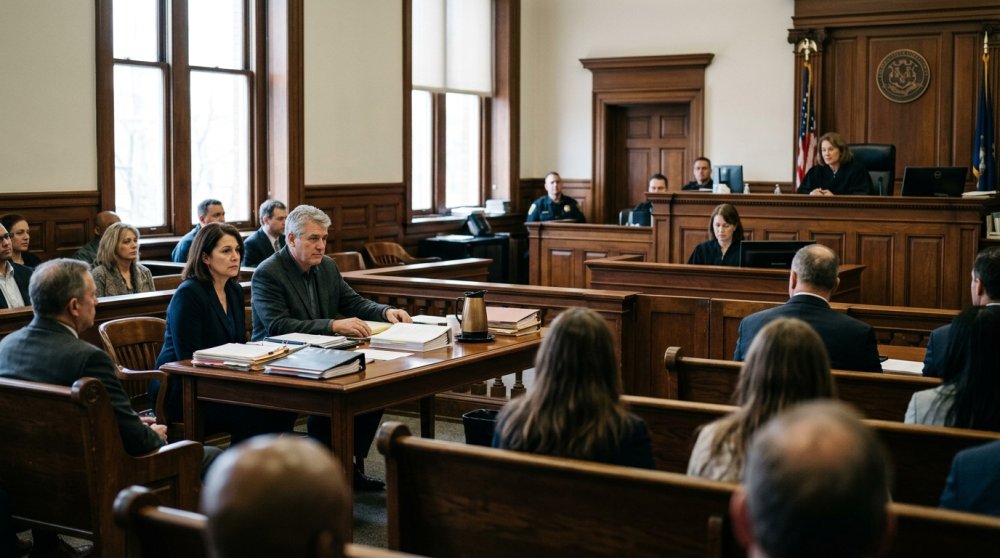
Parents who filed suit to protect their right to decline vaccines on religious grounds saw their case dismissed by a Connecticut judge. The court ruled that the state law eliminating religious exemptions does not violate the state’s religious freedom protections.
The decision means children whose parents hold sincere religious objections to certain vaccines will still be required to receive them in order to attend public school. Families who believe vaccination conflicts with their faith now face limited options within the state.
“The plaintiffs have failed to demonstrate that the religious exemptions are protected under the state religious freedom law,” the ruling stated.
Advocates for parental rights argue the ruling prioritizes government mandates over deeply held beliefs. They warn that similar efforts to remove religious exemptions could spread to other states if left unchallenged.
Critics of the original law contend it undermines the principle that parents, not the state, hold primary responsibility for medical decisions involving their children. They say the ruling sets a troubling precedent that could erode other conscience protections.
Let us know what you think, please share your thoughts in the comments below.


-

 Self-Reliance1 year ago
Trump’s Bold Move Uncovers Massive Social Security Fraud
-

 Faith1 year ago
New Clues Emerge in Noah’s Ark Mystery
-

 News2 years ago
Governor Walz’s Rhetoric Sparks National Controversy
-

 News1 year ago
Mel Gibson’s ‘The Passion of the Christ’ Sequel Title Announced
-

 Family2 years ago
Texas Lawmaker Targets Furries in Schools
-

 Freedom2 years ago
Maine Lawmaker Challenges Sports Fairness Controversy
-

 Family1 year ago
Canada’s Controversial Policy Sparks Ethical Debate
-
Faith10 months ago
Congress Hears Pleas for Nigerian Christians