
Faith
Christian Leaders Urge Action for Persecuted Nigerians

Faith Facts
- Christian leaders call for Nigeria to be designated a Country of Particular Concern.
- Letters urge renewed U.S. action after a rise in anti-Christian violence.
- Over 7,000 Nigerian Christians reportedly killed in seven months of 2025.
Christian voices across the U.S. are appealing for decisive action to support Nigeria’s embattled believers. Calls are increasing to restore Nigeria’s status as a Country of Particular Concern, recognizing the urgency of protecting innocent lives endangered by religious persecution.
Prominent advocates, including leaders from the Center for Religious Freedom and Focus on the Family, have united to highlight escalating violence against Christian communities in Nigeria’s Middle Belt.
“Several years have seen a burgeoning of violent attacks specifically targeting rural Christians in the country’s Middle Belt, while the government in Abuja barely lifts a finger to protect them.”
The advocates contend that Nigeria’s government enforces harsh blasphemy laws and tolerates aggressive attacks by extremists, resulting in the loss and displacement of thousands of Christians.
Congressman Riley Moore’s recent efforts, alongside a joint resolution introduced with Senator Josh Hawley, emphasize the faith-based threat posed by radical Islamic groups and urge diplomatic and legislative pressure for reform.
“We must acknowledge the religious nature of this scourge of anti-Christian violence from radical Islamic terrorists,” Moore declared. “It’s time for the United States to defend our brothers and sisters in Christ, and designating Nigeria as a Country of Particular Concern will provide the diplomatic tools necessary to do just that.”
Groups like Open Doors have warned that more Christians are killed in Nigeria than anywhere else in the world, underscoring the urgent need for prayer, advocacy, and government action on behalf of the suffering faithful in Nigeria.
Stand with us as we pray for change and urge America’s leaders to defend the persecuted Church worldwide.

Faith
Wycliffe reports record Bible translation momentum bringing God’s Word closer to every people group


Faith Facts
- Wycliffe Bible Translators reported remarkable progress in Bible translation work over the past year.
- The organization stated that the day is getting closer when everyone has access to God’s word in their own language.
- Translation momentum has continued without interruption during the past twelve months.
The day is getting closer when everyone has access to God’s word in their own language, thanks to the amazing momentum in the work of Bible translation that has continued in the past 12 months, Wycliffe Bible Translators has said.
The report comes as the organization continues its historic mission of ensuring that every people group can read Scripture in their heart language.
Christian believers around the world understand that access to God’s Word in one’s own tongue remains central to spreading the Gospel and strengthening the faith of families and communities.
Let us know what you think, please share your thoughts in the comments below.
Faith Facts
- Tauren Wells is a Grammy-nominated Christian artist and pastor who planted a church and experienced personal burnout during the process.
- His new album “Here Comes the Church” focuses on the beauty, diversity, and spiritual importance of Christian community.
- Wells believes rediscovering God’s presence in the local church is essential for believers facing modern cultural challenges.
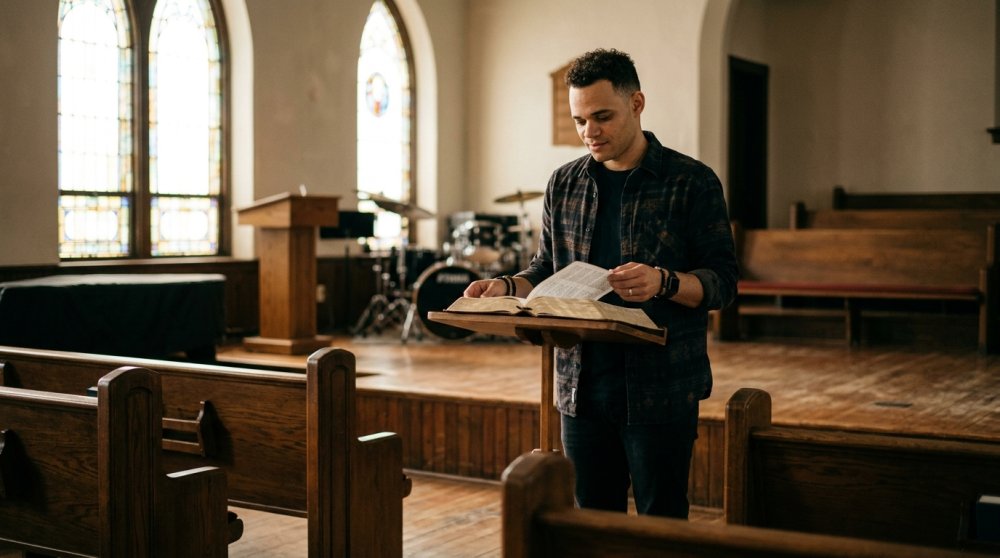
Grammy-nominated Christian artist and pastor Tauren Wells is speaking candidly about the spiritual and personal cost of planting a church. He describes how stepping into church leadership tested his faith and led to seasons of burnout.
Yet Wells says the experience ultimately deepened his trust in God and renewed his passion for ministry. He now hopes his latest album, “Here Comes the Church,” will help believers rediscover the true beauty and necessity of spiritual community.
“Here Comes the Church”
The album emphasizes the diversity and strength found in local congregations. Wells encourages Christians to see the church not as an outdated institution, but as God’s chosen instrument for reaching a hurting world.
Through honest storytelling and worshipful songs, Wells points listeners back to the foundational truth that faith is meant to be lived out together. His message resonates especially with believers weary from cultural division and spiritual isolation.
Let us know what you think, please share your thoughts in the comments below.
Faith Facts
- The Bible commands children to honor their father and mother (Exodus 20:12).
- Scripture warns against bitterness and urges reconciliation within families (Ephesians 4:31-32).
- God places high value on generational relationships and the passing down of faith (Psalm 78:4-7).
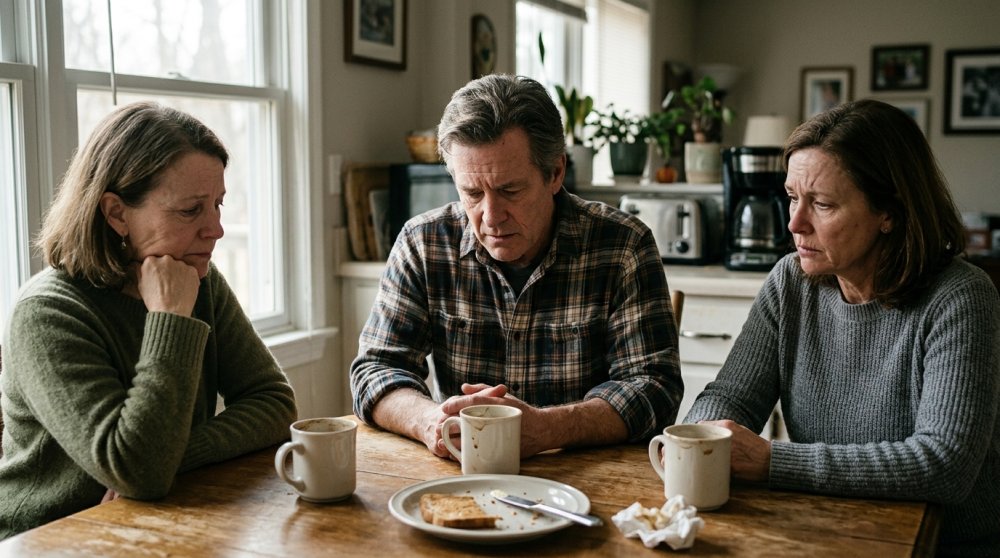
At a recent breakfast three friends shared the same heartbreak: grown children who had cut off all contact even with grandchildren. It is a growing trend and one the Bible speaks to directly.
Many counselors and social media voices frame cutting off parents as healthy boundaries or necessary self-care. The practice has gained traction especially among younger adults influenced by therapeutic language that often places personal feelings above family duty.
Yet Scripture consistently elevates the lifelong responsibility children have toward their parents. The fifth commandment does not expire when a person turns eighteen and the call to honor remains even when relationships are imperfect.
“Honor your father and your mother, that your days may be long in the land that the Lord your God is giving you.”
Christian counselors note that estrangement often stems from unresolved conflicts that could be addressed through repentance forgiveness and godly counsel rather than permanent separation. The pattern of total cutoff also deprives grandchildren of the generational wisdom and love Scripture expects families to pass on.
“Fathers shall not be put to death for their children nor shall children be put to death for their fathers. Each one shall die for his own sin.”
The trend reflects a broader cultural shift that elevates individual autonomy over covenantal family bonds. While abuse must never be minimized or excused the biblical model still calls believers to pursue peace and reconciliation wherever possible.
Let us know what you think, please share your thoughts in the comments below.

Faith Leaders Urge Northern Ireland to Protect Prayer and Counseling

Wycliffe reports record Bible translation momentum bringing God’s Word closer to every people group

Tauren Wells Reveals How Church Planting Restored His Faith and Renewed His Purpose
-

 Self-Reliance1 year ago
Trump’s Bold Move Uncovers Massive Social Security Fraud
-

 Faith1 year ago
New Clues Emerge in Noah’s Ark Mystery
-

 News2 years ago
Governor Walz’s Rhetoric Sparks National Controversy
-

 News2 years ago
Mel Gibson’s ‘The Passion of the Christ’ Sequel Title Announced
-

 Family2 years ago
Texas Lawmaker Targets Furries in Schools
-

 Freedom2 years ago
Maine Lawmaker Challenges Sports Fairness Controversy
-

 Family1 year ago
Canada’s Controversial Policy Sparks Ethical Debate
-
Faith10 months ago
Congress Hears Pleas for Nigerian Christians