
Faith
Tragedy Strikes Church: Call to Prayer

Faith Facts
- A gunman crashed into a Latter-day Saints church near Grand Blanc, Michigan, then opened fire, killing two and wounding eight.
- Authorities reported the suspect was shot and killed by police, and a fire was intentionally set inside the church, complicating rescue efforts.
- President Trump urged Americans to unite in prayer for the victims and families, denouncing the violence against Christian believers.
Christians gathered in faith were targeted in a violent attack, a stark reminder of the challenges our faith communities face.
Courageous first responders acted swiftly to protect lives amid chaos and danger.
Authorities are investigating, warning the tragic toll could rise as they secure the scene.
Patriotic and faith-driven leaders are rallying support for victims, emphasizing unity and prayer.
“I have been briefed on the horrendous shooting that took place at the Church of Jesus Christ of Latter-day Saints in Grand Blanc, Michigan. The FBI was immediately on scene, and will be leading the Federal Investigation, and providing full support to State and Local Officials.”
“The suspect is dead, but there is still a lot to learn. This appears to be yet another targeted attack on Christians in the United States of America. The Trump Administration will keep the Public posted, as we always do. In the meantime, PRAY for the victims, and their families. THIS EPIDEMIC OF VIOLENCE IN OUR COUNTRY MUST END, IMMEDIATELY!”
Let us prayerfully stand with the hurting families and commit to defending freedom and faith in our communities.


Faith Facts
- The United Methodist Church has removed Asbury Theological Seminary from its approved schools list after 80 years, citing disagreements over biblical sexuality
- Asbury Seminary maintains its historic Christian position that marriage is between one man and one woman
- The split reflects the broader divide in mainline denominations between traditional biblical teaching and progressive theology
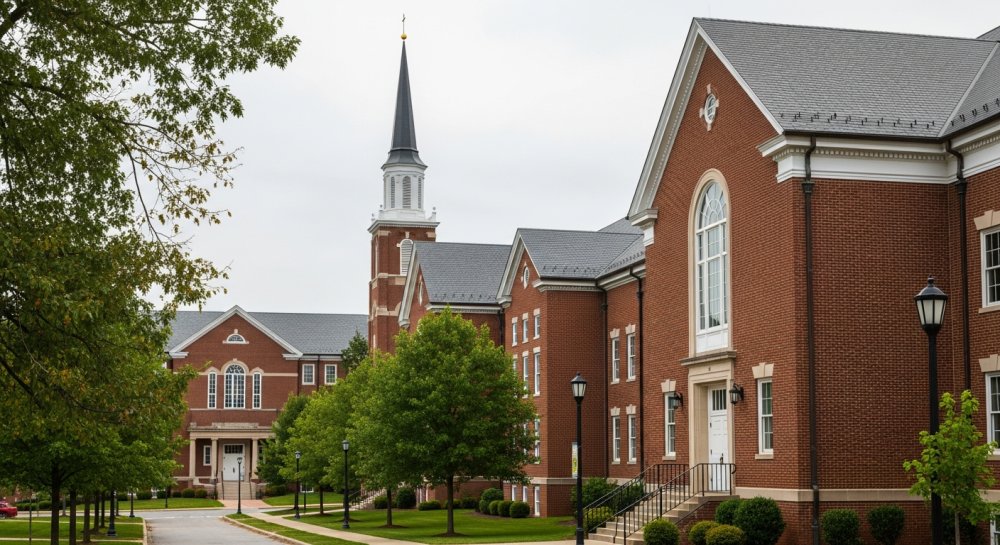
After eight decades of partnership, the United Methodist Church has officially severed ties with Asbury Theological Seminary, removing the evangelical institution from its list of approved seminaries. The break comes as no surprise to those watching the widening gap between biblical orthodoxy and the progressive direction of mainline Protestant denominations.
The removal stems from fundamental disagreements over human sexuality, with Asbury Seminary standing firm on the biblical definition of marriage as a covenant between one man and one woman. The seminary has refused to compromise on its conviction that Scripture clearly defines God’s design for sexual expression within the bounds of traditional marriage.
This decision by the UMC represents more than an administrative change—it’s a clear signal of where the denomination is heading. For faithful Christians within the UMC and beyond, the split illustrates the cost of maintaining biblical fidelity in an age when many religious institutions are abandoning historic Christian teaching in favor of cultural accommodation.
The 80-year relationship between Asbury and the UMC once represented a shared commitment to spreading the gospel and training ministers in Wesleyan theology. That common ground has eroded as the UMC has increasingly embraced positions on sexuality and gender that contradict traditional biblical interpretation.
Asbury Seminary’s willingness to be removed rather than compromise its convictions demonstrates the kind of courage Christian institutions need in this moment. While maintaining denominational approval might seem practical, the seminary has chosen to prioritize theological integrity over institutional convenience.
The broader context reveals a pattern across American Christianity: denominations and institutions face a choice between affirming what Scripture teaches about marriage and sexuality or conforming to contemporary cultural pressures. Those who choose the former increasingly find themselves on the outside of mainline denominational structures.
For conservative Christians, this development serves as both a warning and an encouragement. It’s a warning that the divide over biblical authority continues to widen, making unity with progressive denominations increasingly difficult. But it’s also an encouragement that institutions like Asbury Seminary still exist—places where future pastors and Christian leaders can be trained in sound doctrine without compromise.
The removal of Asbury from the UMC’s approved list will have practical implications for Methodist students considering seminary education. Those who share Asbury’s biblical convictions may now face pressure or obstacles if they choose to attend a school their denomination no longer endorses. This creates another pressure point for faithful believers trying to navigate service within a denomination drifting from its theological moorings.
This situation mirrors the broader realignment happening across American Protestantism. Thousands of UMC congregations have already disaffiliated from the denomination over these same issues, forming new networks and denominations committed to historic Christian teaching. The Asbury-UMC split is another chapter in that same story.
What’s at stake goes beyond policy disagreements or institutional politics. The question is whether Christian institutions will treat Scripture as the authoritative Word of God or as a document that must be reinterpreted to align with modern sensibilities. Asbury Seminary has made its choice clear.
The seminary’s decision reflects a conviction that some things are worth losing approval over. In an era when many Christian institutions have sacrificed theological clarity for the sake of maintaining relationships and relevance, Asbury’s stand deserves recognition and support from believers who share their commitment to biblical truth.
Let us know what you think, please share your thoughts in the comments below.
Faith Facts
- Public support for same-sex marriage has begun declining after years of increases, according to recent polling data
- The shift suggests Americans may be reconsidering the broader LGBT agenda’s impact on religious freedom and traditional values
- Cultural analysts note that aggressive activism and attacks on faith-based institutions may be driving the reversal in public sentiment
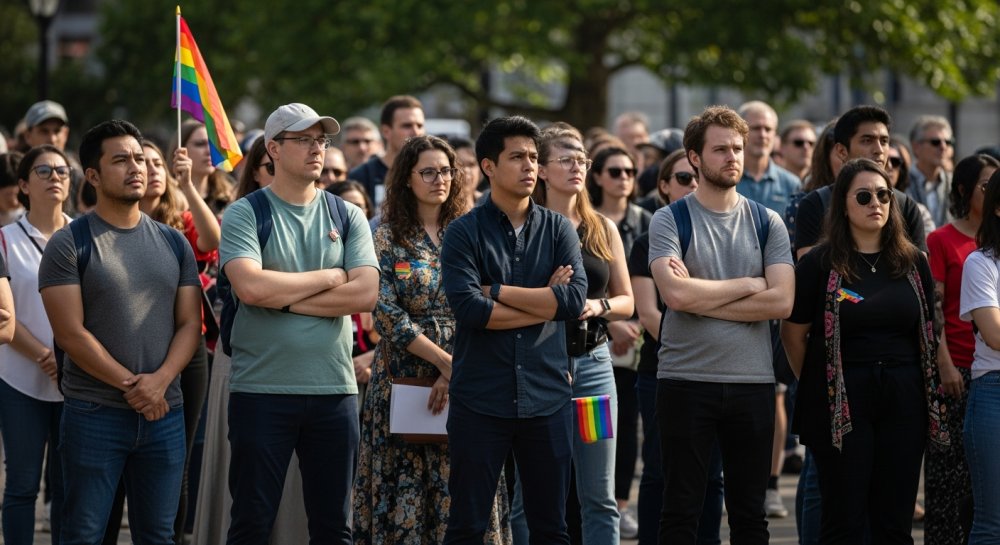
Pride Month 2026 began with some sobering news for the LGBT movement. After more than a decade of seemingly unstoppable momentum, public support for same-sex marriage is beginning to decline.
For years, activists claimed that acceptance was inevitable and that opposition would simply die out with older generations. But recent polling suggests a different story is unfolding—one that should surprise no one who understands the nature of truth and the resilience of traditional values.
The shift in public opinion didn’t happen in a vacuum. Americans have watched as the LGBT agenda moved far beyond simple calls for tolerance.
What began as requests for acceptance has evolved into demands that children be exposed to radical gender ideology in schools, that biological males compete in women’s sports, and that people of faith be punished for maintaining biblical convictions. Churches, Christian business owners, and parents have faced lawsuits, loss of employment, and public shaming for refusing to compromise their beliefs.
This overreach has consequences. When activists push too far, too fast, they risk alienating the very people whose support they once enjoyed.
Many Americans who initially supported same-sex marriage did so believing it wouldn’t affect their own lives or faith communities. They were told it was simply about “love” and “equality.” But when that supposed tolerance turned into aggressive intolerance toward traditional values, many began to reconsider their position.
The declining support also reflects a deeper truth: no amount of legislation or cultural pressure can permanently suppress what people know in their hearts to be true. God’s design for marriage—one man and one woman, united in covenant—is written on human hearts and woven into the fabric of creation itself.
While culture may stray from this design for a season, the consequences become apparent. Broken families, confused children, and a society increasingly unmoored from objective truth are the bitter fruit of rejecting God’s plan.
For Christians, this moment isn’t about triumphalism or vindication. It’s a reminder that our calling is to speak truth in love, to stand firm on biblical principles while extending compassion to those caught in deception.
The Church must continue to offer the hope of the Gospel—that repentance and forgiveness are available to all who turn to Christ, and that God’s design for sexuality and marriage is good, beautiful, and life-giving. As public opinion shifts, believers should be encouraged but not complacent.
The battle for truth is ongoing, and the forces opposing traditional values remain powerful and well-funded. What this polling data reveals, however, is that Americans are beginning to see through the rhetoric and recognize that the LGBT agenda comes at a cost—to religious freedom, to children’s wellbeing, and to the very foundation of society.
This shift also underscores the importance of faithful witness. When Christians live out biblical values with integrity and grace, when they refuse to be silenced or intimidated, they plant seeds that can bear fruit even in hostile soil.
The faithful prayers of grandmothers, the patient teaching of pastors, and the courage of parents protecting their children from harmful ideologies all contribute to a cultural awakening. The decline in support for same-sex marriage shouldn’t surprise anyone familiar with history.
Movements built on shifting cultural sands rather than eternal truth inevitably falter. What’s presented as progress often reveals itself as regression—a departure from wisdom that has stood the test of millennia.
As we navigate these cultural waters, Christians must remain committed to both truth and love. We must reject the false choice between affirmation and hatred, instead offering a better way—the way of Christ, who calls all people to repentance and offers abundant life to those who follow Him.
Let us know what you think, please share your thoughts in the comments below.

Faith Facts
- Former Democratic Unionist Party leader Jeffrey Donaldson found guilty of historical sexual offenses, betraying his public Christian profession
- The case serves as a sobering reminder that charisma and public faith claims must never substitute for genuine Christian character
- Church leaders emphasize the need for accountability structures and discernment in evaluating those who claim to represent Christian values
The conviction of Jeffrey Donaldson, former leader of the Democratic Unionist Party in Northern Ireland, has sent shockwaves through both the political and Christian communities. Donaldson, who publicly professed Christian faith throughout his career, was found guilty of historical sexual offenses that stand in stark contradiction to everything he claimed to represent.
This case presents a critical moment for believers across America and beyond to examine how we evaluate leadership within our churches and Christian organizations. The sobering truth is that public professions of faith, charismatic personalities, and political prominence do not guarantee authentic Christian character.
For decades, Donaldson occupied positions of significant influence, using the language of faith and traditional values while privately engaging in behavior that violated the most fundamental biblical standards. His fall from grace should prompt serious reflection among Christians about the difference between appearance and reality, between reputation and righteousness.
The Bible is clear about the qualifications for Christian leadership. Scripture demands that those who would lead God’s people must be “above reproach,” demonstrating integrity not just in public settings but in every area of life. Paul’s letters to Timothy and Titus outline specific character requirements that go far beyond public speaking ability or political savvy.
This scandal highlights a dangerous tendency within some Christian circles to elevate individuals based on their public persona, political connections, or persuasive communication skills rather than proven godly character over time. Charisma can captivate audiences, but only character withstands scrutiny.
The Church must respond to such failures with both justice and wisdom. First, we must acknowledge the gravity of these offenses and stand unequivocally with victims who have suffered. Sexual abuse is a heinous crime that deserves condemnation and legal consequences, regardless of the perpetrator’s position or professed beliefs.
Second, Christian communities must strengthen accountability structures within their organizations. No leader should operate without meaningful oversight from godly individuals who have both the access and authority to observe their private conduct. Transparency and accountability are not signs of distrust but essential safeguards for both leaders and those they serve.
Third, churches and Christian organizations must prioritize character assessment in leadership selection. This means looking beyond public gifts and examining the fruit of someone’s life over years, not months. It means consulting with those who know candidates in unguarded moments—family members, longtime friends, and previous ministry partners.
The Donaldson case also exposes the particular danger when political power intersects with Christian profession. Believers must guard against the temptation to excuse or overlook character deficiencies in leaders who align with our political positions. Biblical values demand integrity from those who claim to represent them, regardless of their policy stances or party affiliations.
For American Christians, this scandal across the Atlantic carries urgent lessons. We live in an era when many public figures invoke Christian language and claim religious motivations for their actions. The Church must develop greater discernment, refusing to grant automatic trust based solely on professed beliefs or conservative political positions.
Jesus warned repeatedly about wolves in sheep’s clothing and false prophets who would deceive many. He taught that genuine disciples are known by their fruit, not their words. The Lord values the hidden work of character formation far more than public reputation or impressive credentials.
Moving forward, churches must create cultures where accountability is welcomed rather than resisted, where questions about character are encouraged rather than dismissed as disloyalty, and where the private lives of leaders are considered just as important as their public ministries. Protection of institutional reputation must never take precedence over biblical standards of righteousness and justice for victims.
This conviction should humble every believer and leader, reminding us that apart from God’s grace, any of us is capable of profound moral failure. It should drive us to deeper dependence on Christ, more intentional accountability relationships, and greater vigilance against self-deception.
The victims of Donaldson’s crimes deserve our compassion, our support, and our commitment to ensure such abuses are prevented in the future. The broader Christian community needs this sobering reminder that the true test of faith is not eloquent speeches about values but faithful obedience to God in every area of life, especially when no one is watching.
As Scripture declares, “The Lord does not look at the things people look at. People look at the outward appearance, but the Lord looks at the heart.” May the Church learn to do the same, valuing authentic godliness over impressive facades and protecting the vulnerable over preserving reputations.
Let us know what you think, please share your thoughts in the comments below.


-

 Self-Reliance1 year ago
Trump’s Bold Move Uncovers Massive Social Security Fraud
-

 Faith1 year ago
New Clues Emerge in Noah’s Ark Mystery
-

 News1 year ago
Governor Walz’s Rhetoric Sparks National Controversy
-

 News1 year ago
Mel Gibson’s ‘The Passion of the Christ’ Sequel Title Announced
-

 Family1 year ago
Texas Lawmaker Targets Furries in Schools
-

 Freedom1 year ago
Maine Lawmaker Challenges Sports Fairness Controversy
-

 Family1 year ago
Canada’s Controversial Policy Sparks Ethical Debate
-
Faith7 months ago
Congress Hears Pleas for Nigerian Christians